Insurance Insights & Guidance
Beyond the Premium
Exploring the hidden factors behind insurance pricing and helping consumers understand what they are really paying for.

The cheapest quote is not always the best deal. Understanding what drives real value in an insurance policy helps you compare quotes on the factors that matter most when you actually need to file a claim.

More Stories
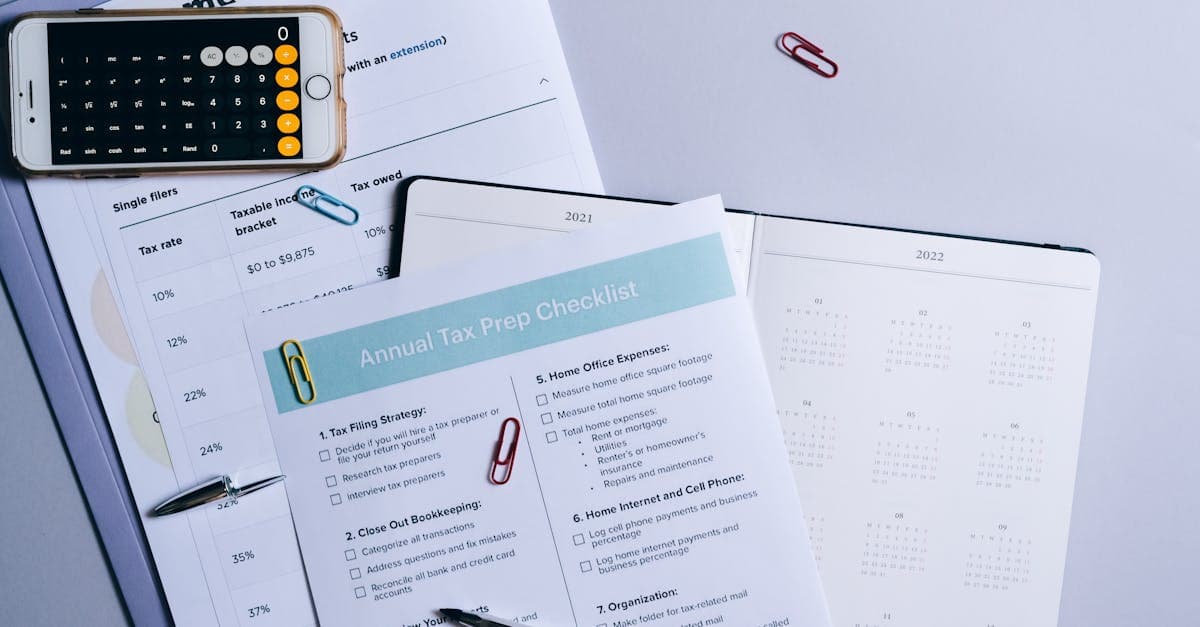
The Annual Policy Checkup: Why Once a Year Is the Minimum
At minimum, review every insurance policy once a year. Annual checkups catch coverage gaps, identify savings opportunities, and ensure your protection matches your current life circumstances.

Assignment of Benefits Explained: How AOB Transfers Your Claim Rights
An AOB agreement signs over your right to collect insurance benefits to a contractor or vendor. Understanding this transfer is critical before you sign any document after property damage.

The Average Insurance Claim Timeline From Filing to Settlement
Most insurance claims follow a predictable sequence of events from initial report through final payment. Knowing each step and its typical duration puts you in control of the process.

The Pre-Claim Checklist Every Homeowner Needs
Before you pick up the phone to file a claim, there are critical steps that protect your interests and maximize your settlement. This checklist ensures you do not skip anything important.

Why Buying Too Little Life Insurance Is the Most Common Mistake
Underinsuring is the number one life insurance mistake. Most financial advisors recommend coverage of 10 to 15 times your annual income, yet many buyers settle for far less than their families actually need.
How to Read a Life Insurance Illustration Without Getting Confused
Life insurance illustrations contain dozens of columns and pages of numbers. Understanding the key sections — guaranteed values, non-guaranteed projections, and assumptions — makes the document manageable.

What Happens During a Life Insurance Medical Exam: Step by Step
During a life insurance medical exam, a paramedical professional visits your home or office to measure your height, weight, blood pressure, pulse, and collect blood and urine samples.

Top Reasons Life Insurance Applications Get Denied
From pre-existing health conditions to dangerous hobbies and criminal history, insurers evaluate dozens of risk factors before approving coverage. Knowing these factors helps applicants prepare for the underwriting process.

How Policy Loans Work: Borrowing From Your Life Insurance Cash Value
Life insurance policy loans let you access your accumulated cash value without canceling coverage. Understanding the mechanics of interest rates, repayment terms, and death benefit impacts helps you borrow wisely.

How Cash Value Accumulates Inside a Permanent Life Insurance Policy
Every premium payment in a permanent life insurance policy is split between insurance costs, fees, and cash value accumulation. Understanding this split reveals how your policy builds savings over decades.

How Life Insurance Death Benefits Work: From Policy Purchase to Payout
The death benefit is the core promise of life insurance. This guide explains how the benefit is determined, what can change it, and how your beneficiaries receive the money.

No Beneficiary Named? Here Is Where Your Life Insurance Death Benefit Goes
Without a designated beneficiary, your life insurance proceeds default to your estate. This means probate court decides distribution, adding months of delays and thousands in legal fees.

How to Split Life Insurance Between Multiple Beneficiaries
Splitting a life insurance death benefit among multiple beneficiaries requires specifying exact percentages that total 100 percent. This guide explains how to divide proceeds fairly and avoid common allocation mistakes.

Why Your Life Insurance Beneficiary Designation May Be Outdated Right Now
Most policyholders set their beneficiary when they purchase the policy and never revisit it. Over the years, marriages, divorces, births, and deaths can make that original designation dangerously wrong.

Primary vs Contingent Beneficiary: Why You Need Both on Your Life Insurance
Your primary beneficiary receives the death benefit first. Your contingent beneficiary steps in if the primary cannot collect. Naming both ensures your life insurance proceeds always reach someone you trust.

Why Every Mortgage Holder Should Carry Life Insurance
Your mortgage is likely your largest debt. Without life insurance, your family may be forced to sell the home or struggle with payments they cannot afford on a single income.

Why Childless Adults Still Need Life Insurance Coverage
Having no children does not mean no one depends on you financially. Spouses, partners, aging parents, and business partners all have financial exposure if you pass away unexpectedly.

How Term Life Insurance Works and Who It Benefits Most
Term life insurance pays a death benefit if you die during a specified term — typically 10, 20, or 30 years. It has no cash value, lower premiums, and is designed for temporary protection needs like mortgage coverage or income replacement.

How Universal Life Insurance Flexibility Sets It Apart From Other Policies
Unlike whole life or term insurance, universal life lets policyholders adjust premiums, death benefits, and savings contributions within the same policy. This flexibility makes UL uniquely adaptable to changing financial circumstances.

How Whole Life Insurance Builds Cash Value Over Time
Every whole life premium payment contributes to a cash value account that grows on a tax-deferred basis at a guaranteed rate. Understanding cash value accumulation reveals the dual nature of whole life insurance.

How Term Life Insurance Works: The Simplest Form of Life Insurance Explained
Term life insurance is straightforward — you pay premiums for a set period, and if you die during that period, your beneficiaries receive the death benefit. No cash value, no investment component.

The Income Replacement Method: Calculating Life Insurance Based on Your Earnings
The income replacement method multiplies your annual salary by the number of years your family needs support. Understanding this approach helps you establish a baseline for your coverage amount.

Income Replacement: The Primary Reason Families Buy Life Insurance
The most fundamental reason to buy life insurance is replacing income that your family depends on. When a primary earner dies, life insurance fills the gap between what the family needs and what remains.

Life Insurance Explained: The Fundamentals Every Adult Should Know
Understanding life insurance starts with knowing what it does, how it works, and why millions of families depend on it. This explanation breaks down the basics without industry jargon.

Renters Flood Insurance: The Coverage Most Tenants Never Know They Need
Standard renters insurance excludes flood damage entirely. Renters in any flood zone can buy a separate flood insurance policy to protect furniture, electronics, clothing, and other personal property from rising water.

Understanding Flood Insurance for Condo Owners: RCBAP and Individual Policies
Condo flood insurance involves two layers — the association's RCBAP for the building and individual dwelling policies for unit owners. Understanding both layers ensures your condo is fully protected against flood damage.
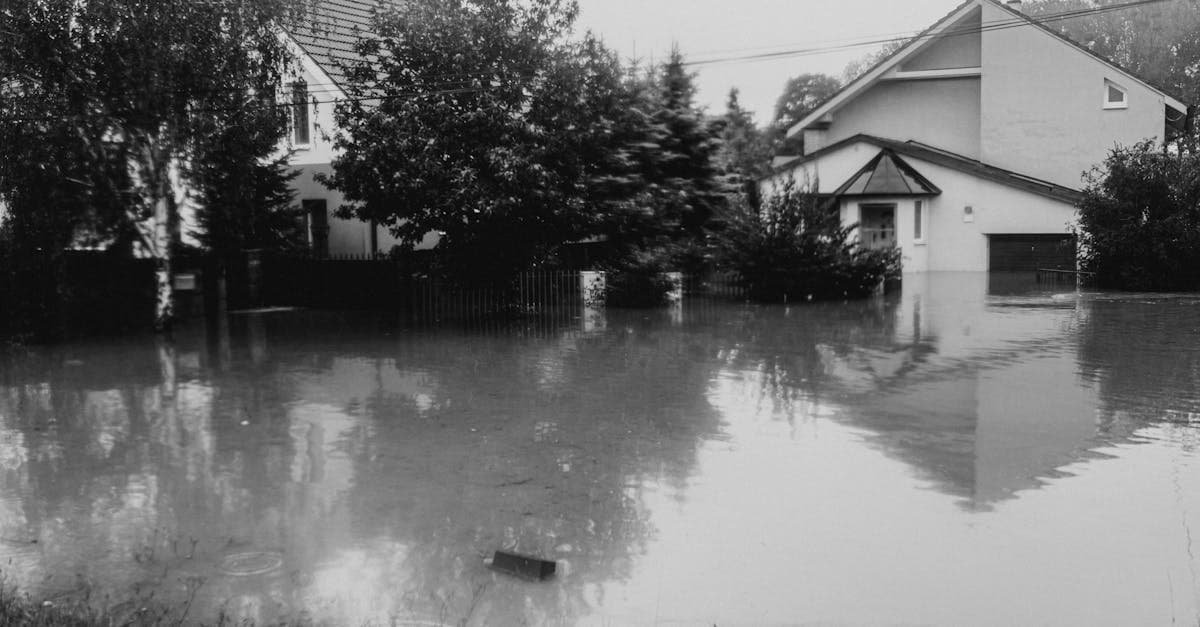
Why Flood Insurance Makes Sense Even When FEMA Says Your Risk Is Low
FEMA flood maps classify risk into zones, but low-risk does not mean no risk. Over 25 percent of all flood claims come from moderate and low-risk areas where flood insurance is not mandatory.

Hurricane Deductible Frequency: What Every Coastal Homeowner Must Know
Your hurricane deductible applies per occurrence in most states, so two hurricanes in one season means two deductible payments. Florida law limits the deductible to once per calendar year, but most states follow different rules.

Hurricane Deductible Trigger Conditions Explained for Homeowners
The hurricane deductible on your homeowners policy activates under specific weather conditions defined by your policy language. Knowing these triggers helps you anticipate your financial obligation before the storm hits.

Florida Hurricane Deductibles Explained: What Every Homeowner Must Know
Your Florida homeowners policy likely includes a separate hurricane deductible that applies only when a named storm causes damage. This guide breaks down how it works, when it triggers, and what it costs.

Hurricane Deductible Explained: Why It Costs More Than Your Standard Deductible
Unlike flat-dollar standard deductibles, hurricane deductibles are typically calculated as a percentage of your dwelling coverage limit, making them much larger — often $5,000 to $20,000 or more.

How Insurance Companies Distinguish Wind Damage From Flood Damage
Insurers use physical evidence, damage patterns, and engineering analysis to determine whether storm damage was caused by wind or by flooding. The classification determines which policy pays.

What Your Homeowners Insurance Does Not Cover: The Flood Exclusion Explained
Every standard homeowners policy excludes flood damage. Understanding this exclusion and how a separate flood insurance policy fills the gap is essential for protecting your home from all water damage scenarios.

The Top 10 Things Flood Insurance Does Not Cover
From vehicles and currency to living expenses and landscaping, flood insurance excludes more than most policyholders realize. Knowing these exclusions prevents costly surprises after a flood damages your property.

Flood Insurance Building Coverage: Every Structural Element That Is Protected
Building coverage under flood insurance protects the physical structure of your home including walls, floors, foundation, electrical systems, plumbing, HVAC equipment, and permanently installed features.

Do You Need Flood Insurance in Florida Even if You Are Not in a Flood Zone?
Over 25 percent of flood claims come from properties outside high-risk zones. In Florida's flat landscape, heavy rainfall alone can cause devastating flooding miles from any coast or river.

Florida Flood Insurance Requirements: What Every Homeowner Needs to Know
Florida's unique geography makes flood insurance essential for millions of residents. Understanding when it is legally required versus strongly recommended helps you protect your property correctly.
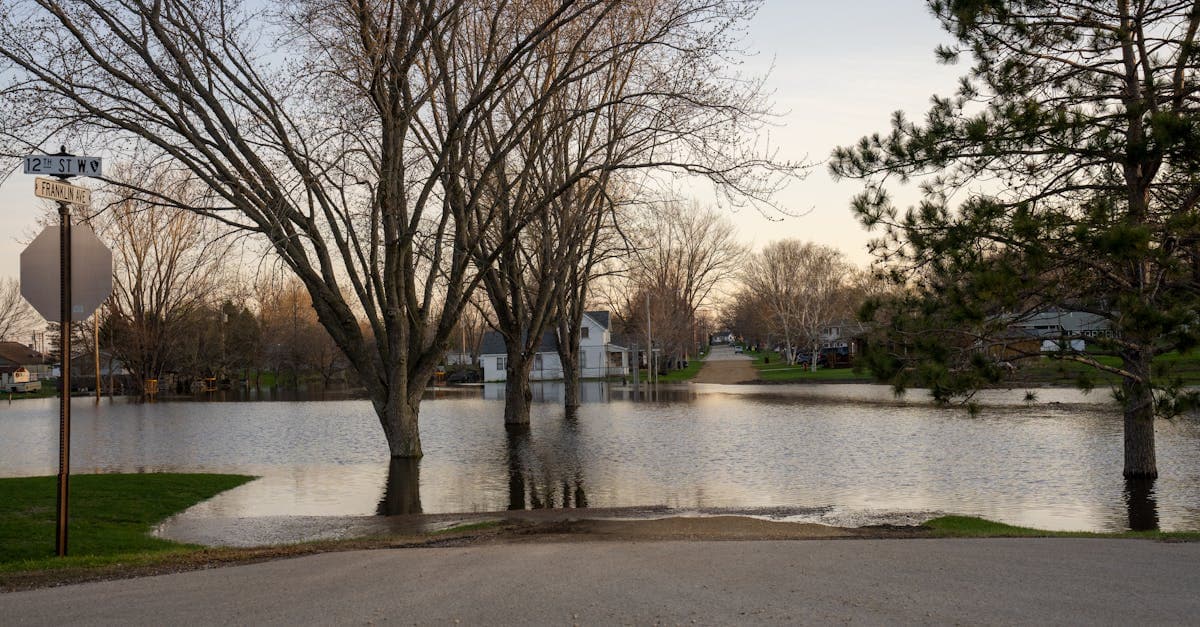
Flood Insurance Explained: Why Your Homeowners Policy Is Not Enough
Homeowners insurance excludes flood damage entirely. Flood insurance fills that gap by covering structural damage and personal property losses caused by rising water from storms, overflowing rivers, and coastal surges.
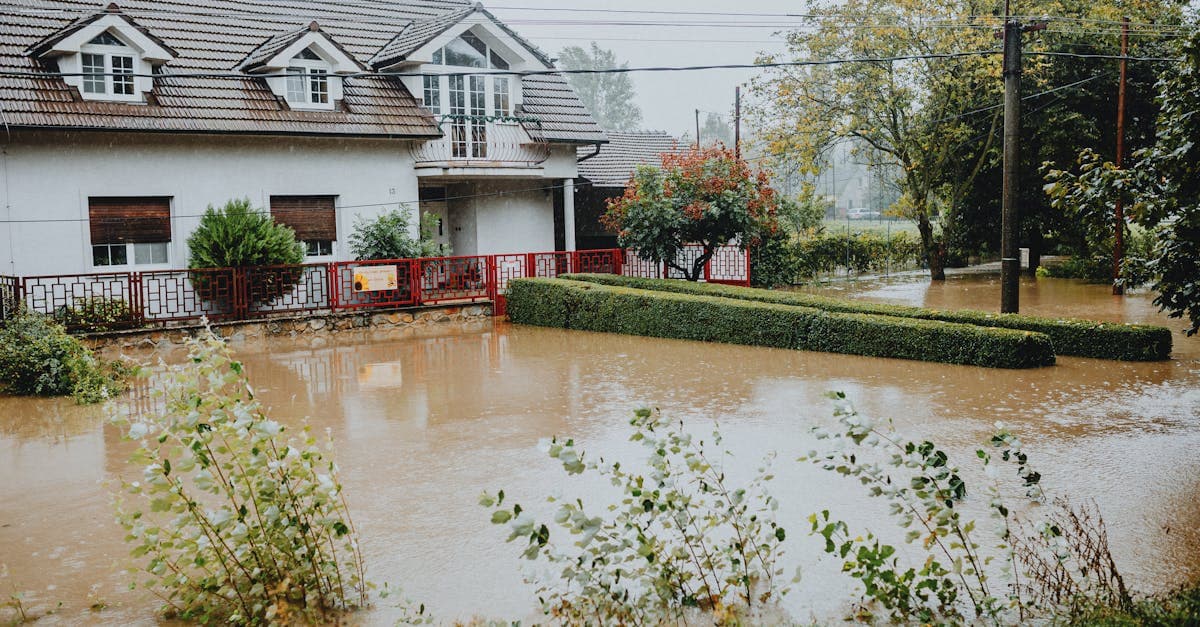
The Flood Exclusion in Your Homeowners Policy: What It Really Means
Every standard homeowners insurance policy contains a flood exclusion that denies coverage for rising water, storm surge, and surface runoff. Understanding this exclusion is the first step toward closing the gap.

The Complete Florida Homeowners Insurance Buying Checklist
Before signing a Florida homeowners policy, you need answers to critical questions about hurricane deductibles, flood exclusions, roof age limitations, and insurer financial stability. This checklist covers them all.

How a Kitchen Remodel Affects Your Homeowners Insurance Coverage
A kitchen remodel with custom cabinets, premium countertops, and high-end appliances increases your home's replacement cost. Failing to update your dwelling coverage after a kitchen renovation creates an underinsurance gap.

How to Read Your Homeowners Insurance Declarations Page
Your declarations page contains critical policy details that every homeowner should understand. Learning to read this document helps you verify your coverage and catch errors before they matter.
The Complete Home Insurance Claim Documentation Checklist
A comprehensive checklist of every document your insurer may request during a claim ensures you are prepared before disaster strikes. Organizing these records in advance saves weeks of frustration during the claims process.
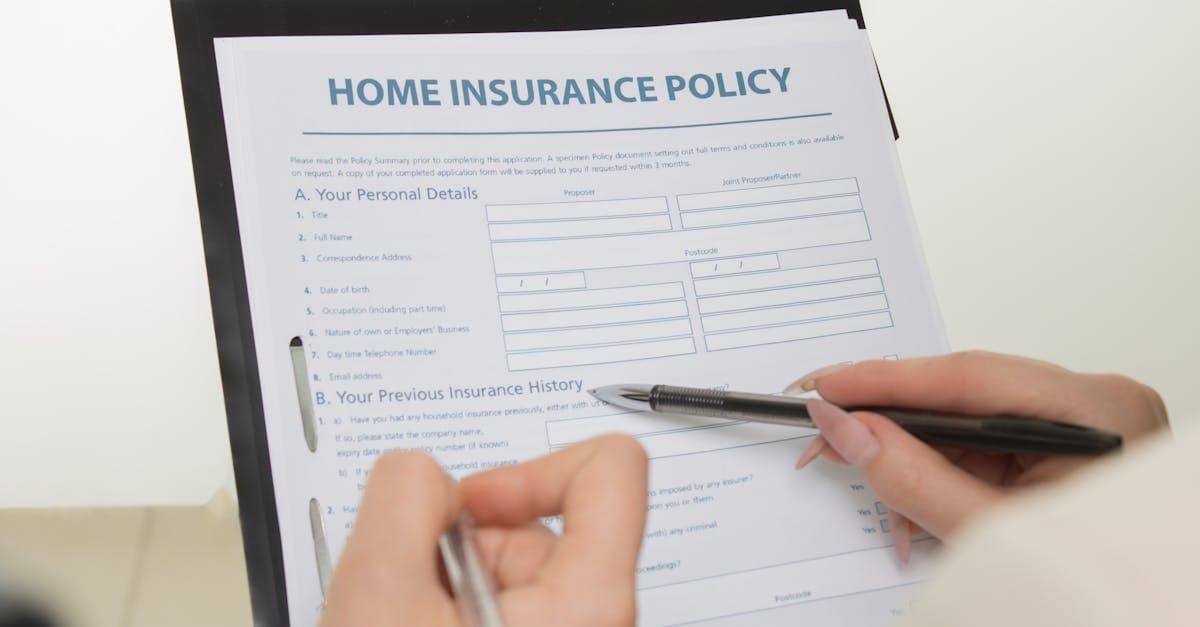
How to Switch Homeowners Insurance Before Your Policy Expires
Switching homeowners insurance mid-term requires coordinating your new policy's start date with your old policy's cancellation. This step-by-step guide walks you through the entire process from quote to binding.

The Ultimate Homeowners Insurance Renewal Checklist
Before your policy auto-renews, walk through this comprehensive checklist covering coverage limits, deductibles, endorsements, discounts, and premium changes to confirm everything is accurate and adequate.

The Top 10 Reasons Your Homeowners Insurance Premium Went Up This Year
From rising construction costs to increased catastrophe risk, multiple factors can push your homeowners premium higher at renewal. This guide identifies the most common drivers and what you can do about each one.

Choosing the Right Home Insurance Deductible: A Practical Framework
Selecting a deductible involves balancing your monthly premium against your ability to pay out of pocket after a loss. This guide walks you through the factors that determine the best deductible for your situation.

Calculating Your Dwelling Coverage Limit: The Foundation of Homeowners Insurance
Your dwelling coverage limit should match the full cost to rebuild your home from the ground up, not its market value or purchase price. Getting this number wrong is the most expensive mistake a homeowner can make.

How Actual Cash Value Affects Your Homeowners Claim Payout
When your homeowners policy uses ACV, every item in your claim is reduced by depreciation. The cumulative effect can leave you tens of thousands of dollars short of full recovery.

Replacement Cost vs Actual Cash Value: The Most Important Coverage Decision
The difference between replacement cost and actual cash value can mean tens of thousands of dollars on a claim. Understanding these two valuation methods helps you choose the right coverage for your home.

Coverage C Explained: How Personal Property Coverage Protects Your Belongings
Coverage C on your homeowners policy pays to repair or replace your personal belongings when they are damaged, destroyed, or stolen. Understanding this coverage protects your contents investment.
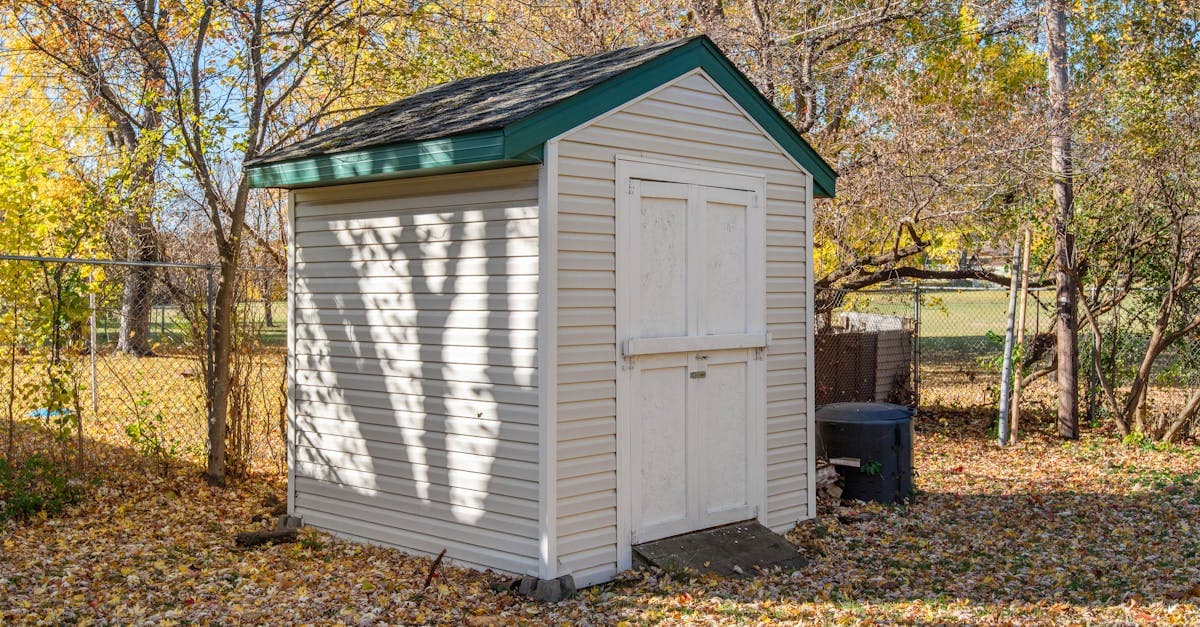
Coverage B Explained: How Other Structures Coverage Protects Your Property
Coverage B on your homeowners policy pays to repair or replace detached structures like garages, sheds, fences, and gazebos when they are damaged by a covered peril.

Coverage A Explained: How Dwelling Coverage Protects Your Home's Structure
Coverage A on your homeowners policy is dwelling coverage. It protects the physical structure of your home including walls, roof, floors, and built-in appliances against covered perils.

Additional Living Expenses Coverage: What Every Homeowner Should Know
ALE coverage is your financial lifeline when disaster forces you from your home. Understanding how it works before you need it ensures you are prepared for the unexpected.

How Personal Liability Coverage Protects Homeowners From Lawsuits
A single lawsuit can threaten your savings, your home, and your future earnings. Personal liability coverage on your homeowners policy is your first line of defense.

How Off-Premises Personal Property Coverage Works in Homeowners Insurance
Most homeowners policies extend personal property coverage away from home, but with reduced limits. Understanding these limits prevents surprises during claims.
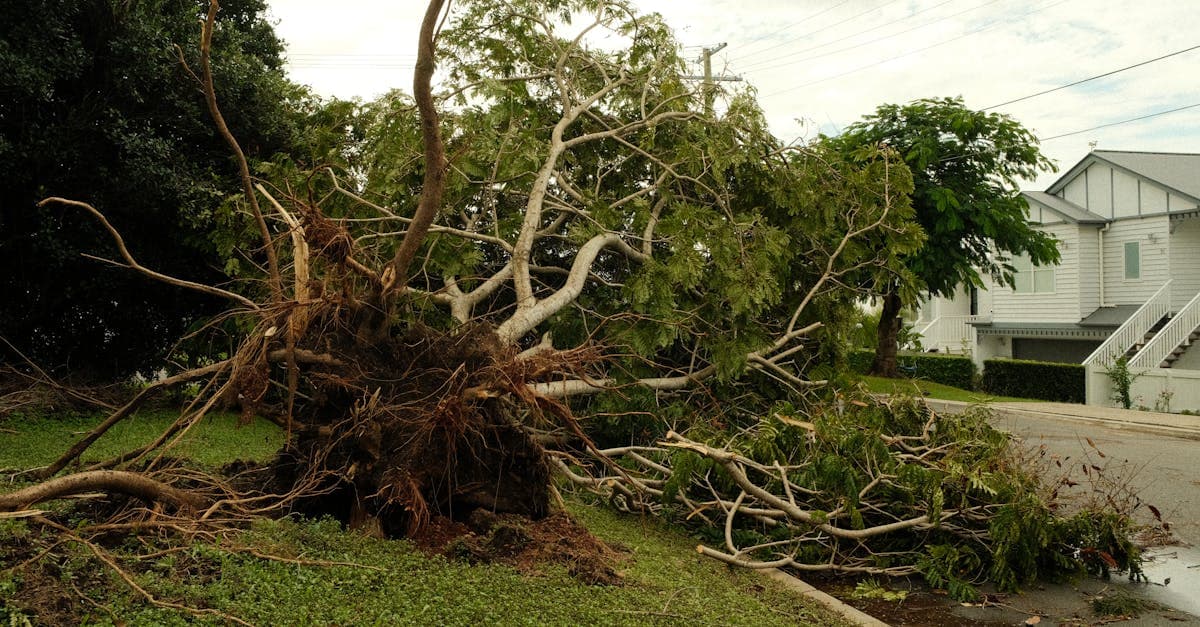
Tree Falls on Your House: What Insurance Covers
When a tree crashes through your roof, your dwelling coverage typically pays for repairs. Understanding the claims process helps you recover from this stressful event.

Wind Damage and Homeowners Insurance: What You Need to Know
High winds can tear off shingles, topple trees, and destroy fences. Understanding how your policy handles wind damage helps you recover faster after a storm.

Burst Pipes: When Homeowners Insurance Covers Water Damage
Burst pipe damage is usually covered by homeowners insurance — unless the leak was gradual or due to neglect. See what's covered, what's excluded, and how to file.

Mold and Homeowners Insurance: What Is Covered and What Is Excluded
Most homeowners policies limit mold coverage significantly. Understanding the distinction between covered and excluded mold scenarios protects your finances.
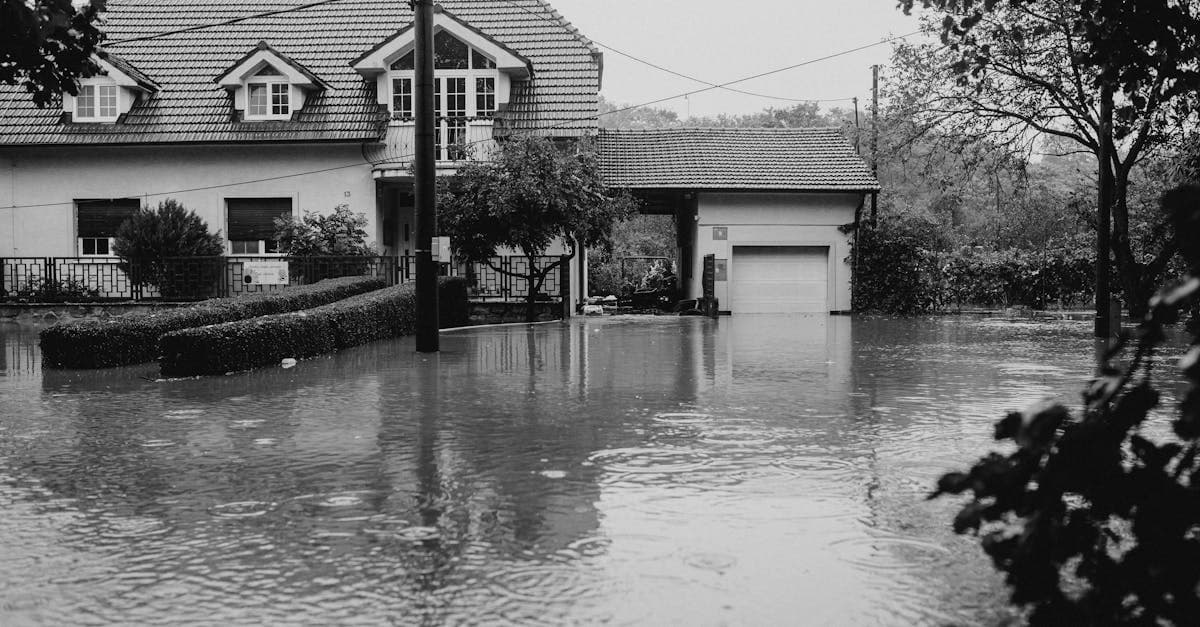
Sudden vs Gradual Water Damage: What Your Policy Actually Covers
The line between covered and excluded water damage comes down to one word: sudden. Understanding the sudden versus gradual distinction is the key to knowing when your homeowners policy pays for water damage.

Roof Leaks and Homeowners Insurance: What Is Covered and What Is Not
Whether your insurer pays for a roof leak depends entirely on what caused it. Understanding the line between covered perils and maintenance exclusions determines your financial outcome.

The 12 Most Dangerous Homeowners Insurance Exclusions Explained
Standard homeowners policies contain exclusions that deny thousands of claims every year. Understanding these twelve gaps prevents devastating surprises when you need coverage most.

The Six Parts of a Standard Homeowners Insurance Policy Explained
A standard HO-3 policy contains six distinct coverage sections. Understanding each section reveals what your policy actually protects and where gaps may exist.

The Annual Policy Review Every Florida Driver Needs to Complete
An annual insurance review catches coverage gaps, identifies savings, and ensures your protection keeps pace with Florida's rising costs and changing regulations.

Florida Insurance Lapse Penalties: Everything You Need to Know
Letting your Florida car insurance lapse even for a single day triggers the state's electronic verification system and can cost hundreds in reinstatement fees.

Florida's No-Fault Insurance System Explained for Every Driver
Florida's no-fault system means your own insurance pays your medical bills regardless of who caused the accident. Understanding this system is essential for every Florida driver.

Florida PDL Coverage Explained: What Every Driver Must Know
Property Damage Liability is one of only two required auto coverages in Florida. Understanding what it covers helps you avoid financial disaster after an at-fault accident.

Florida PIP Coverage Explained: The No-Fault Basics Every Driver Needs
Personal injury protection is mandatory in Florida and pays your medical bills after a crash no matter who caused it. Understanding PIP starts with knowing the rules.

The First 24 Hours After a Florida Car Accident: What to Do
The actions you take immediately after a Florida accident determine the strength of your claim. Here is your hour-by-hour guide.

Who Pays When a Friend Crashes Your Borrowed Car?
Your auto insurance is primary when a friend crashes your car. Understanding the payment hierarchy protects your finances and your friendship.

Who Is Covered When Someone Else Drives Your Car?
Your auto insurance generally extends to anyone you give permission to drive your vehicle. Understanding permissive use rules protects you from surprises.

How Comprehensive Insurance Handles a Stolen Vehicle
Comprehensive coverage pays your vehicle's actual cash value when it is stolen and not recovered. Understanding the process helps you navigate one of the most stressful claims.

Comprehensive Insurance and Windshield Damage: What You Need to Know
Your comprehensive coverage is the key to windshield claims. Understanding how it works for glass damage helps you avoid unnecessary out-of-pocket costs.
How Gap Insurance Works When Your Car Is Totaled
When your vehicle is declared a total loss, gap insurance pays the difference between the insurance payout and your remaining loan balance.

How Rental Reimbursement Coverage Works on Your Auto Policy
Rental reimbursement is an optional add-on that provides a temporary vehicle during repairs. Understanding its mechanics helps you use it effectively.

How Roadside Assistance Through Your Insurance Works
Adding roadside assistance to your auto policy provides affordable breakdown coverage. Understanding how it works helps you use it effectively when needed.

The Real Cost of Skipping Uninsured Motorist Coverage
Drivers who reject UM coverage save a few dollars per month but risk thousands in uncovered losses. Understanding the true cost of going without changes the equation.

How Uninsured Motorist Coverage Protects You After an Accident
When an uninsured driver causes a crash, your own UM coverage pays for your injuries and damages. Understanding this protection is essential for every driver.

Comprehensive vs Collision: Understanding the Key Differences
These two coverages protect against different risks. Learn what separates comprehensive from collision and why most drivers need both.

Collision Insurance Explained: What It Covers and Why It Matters
When your car hits another vehicle or object, collision coverage steps in to pay for repairs. Here is everything you need to know about this essential coverage.

How to Choose the Right Auto Liability Limits for Your Situation
The right liability limits depend on your net worth, income, lifestyle, and risk tolerance. This guide helps you find the coverage level that genuinely protects your financial position.

Full Coverage Car Insurance Explained: What You're Really Getting
When people say full coverage, they usually mean liability plus collision plus comprehensive. But this combination still leaves significant gaps most drivers don't realize exist.

The True Purpose of Auto Insurance: More Than Just a Legal Requirement
Auto insurance exists to protect your financial future from the enormous costs that car accidents generate. Understanding its purpose helps you value it properly.

The 15 Most Important Questions to Ask Any Insurance Agent
These fifteen questions cut through sales pitches and reveal the true value of any insurance policy before you commit your money.

The Annual Insurance Review: Why Once a Year Is Not Optional
Your life changes every year. Your assets change. Costs change. If your insurance does not change with them, gaps develop that cost you when you need coverage most.

Insurance Rate Increases Explained: What Is Driving Your Premium Higher
Multiple forces push premiums up each year. Some are personal. Some are industry-wide. All are understandable once you know where to look.

The Hidden Cost of Filing Small Insurance Claims
That minor claim might save you $500 today but cost you thousands in premium increases over the next three to five years.
The Insurance Claim Filing Decision: Cost vs Benefit
Filing a claim involves more than just the immediate payout. Understanding the full financial picture helps you decide when filing makes sense.

What Happens After You File an Insurance Claim
Filing the claim is just the beginning. Here's what to expect at every stage of the process and how long each step typically takes.

What Is an Endorsement on an Insurance Policy?
An endorsement is a written amendment that changes the terms of your insurance policy. It can add coverage, remove it, or modify how your policy works.

What Is an Exclusion in Insurance and Why Does It Matter?
An exclusion is a provision that removes coverage for specific risks. Knowing your exclusions prevents the worst surprise in insurance: a denied claim.

What Is Actual Cash Value in Insurance?
ACV is the depreciated value of your property at the time of a loss. It accounts for age, wear, and condition — and it is usually less than you expect.
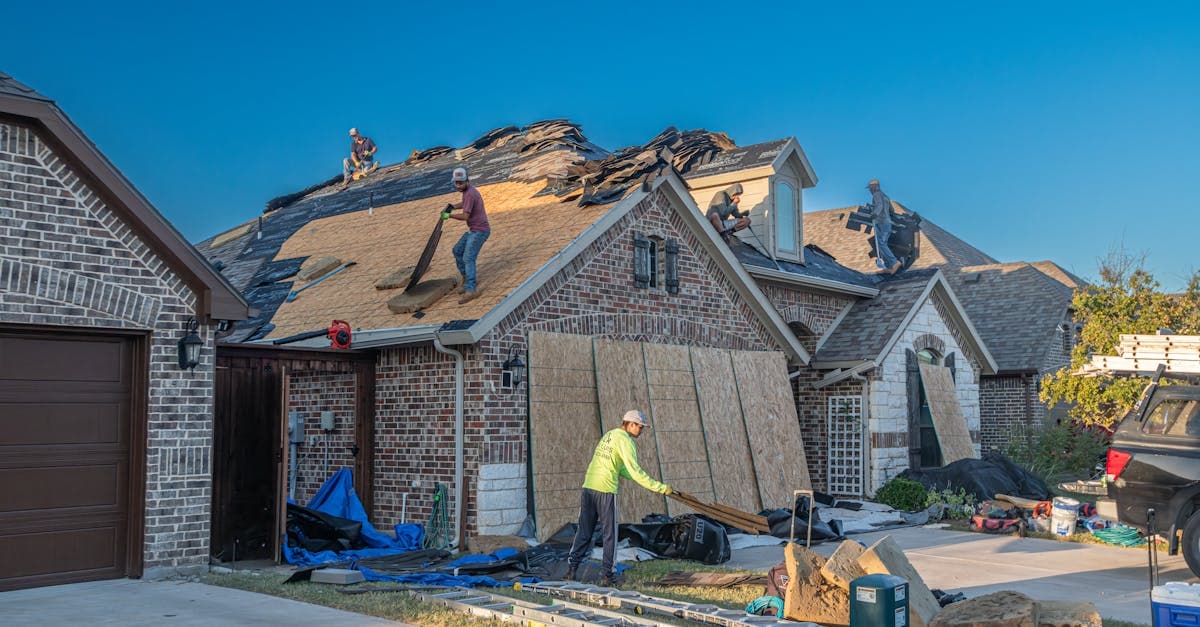
What Is Replacement Cost and Why Does It Matter?
Your insurance payout depends heavily on whether your policy uses replacement cost or actual cash value. The difference can be tens of thousands of dollars.

The Limit and the Deductible: Two Numbers That Define Your Policy
Your coverage limit caps what the insurer pays. Your deductible determines what you pay first. Here is how to balance them.
What Is a Declarations Page and Why Should You Read It?
Most policyholders never look at their dec page. That single oversight can cost you thousands when you need your coverage most.

Insurance Premiums Explained: The Cost of Coverage
Every insurance policy has a price tag called the premium. Understanding what drives that number puts you in control of your insurance spending.

Insurance Deductibles Explained: How They Affect Your Payout
Your deductible is what you pay before insurance starts. Choosing the right amount balances premium savings against out-of-pocket risk at claim time.
What Your Premium Actually Buys: Mapping Coverage to Cost
You write a check every month for insurance, but do you know what you're actually purchasing? Here's a breakdown of how your premium dollars translate into real coverage — and where the money really goes.
