The Annual Policy Review Every Florida Driver Needs to Complete


David and Karen had auto-renewed their Florida insurance policy for five consecutive years without a single review. When David finally sat down to compare quotes after a coworker mentioned switching carriers, he discovered three things. First, their premium had crept up by four hundred dollars over those five years through incremental increases they never questioned. Second, their sixteen-year-old daughter had been added to the policy two years ago but they never adjusted their coverage limits to account for the added liability. Third, their vehicle had depreciated to half its original value, but they were still paying comprehensive and collision premiums based on higher coverage thresholds.
Let's break this down further. In thirty minutes of review, David identified over five hundred dollars in annual savings and a coverage gap that left their family underprotected. He switched carriers, adjusted his coverages, and increased his liability limits — all while paying less than his previous premium. The lesson was clear: five years of autopilot cost their family thousands of dollars and exposed them to unnecessary risk.
This is cultivating your policy through regular attention so it bears the right coverage at the right cost. David's experience is not unusual among Florida drivers. The combination of rising premiums, changing life circumstances, and Florida's volatile insurance market means that every year without a review is a year of potential waste and exposure.
This guide establishes the review frequency that Florida drivers need, the specific triggers that should prompt immediate reviews, and the step-by-step process for conducting reviews that actually improve your coverage and reduce your costs.
Pre-Hurricane Season Insurance Review for Florida Drivers
Think of it this way. Florida's hurricane season runs from June first through November thirtieth, and a pre-season policy review is the seasonal pruning that keeps your coverage healthy and responsive to Florida's changing environment. While auto insurance is not directly affected by hurricane wind coverage debates, comprehensive coverage for your vehicles is critically important during storm season.
Comprehensive coverage check: Hurricane-related vehicle damage — flooding, falling debris, wind-driven objects, and storm surge — is covered under comprehensive insurance. Verify that every vehicle on your policy has comprehensive coverage with an appropriate deductible before storm season begins. Adding comprehensive coverage after a storm has been named may be restricted or impossible.
Deductible assessment for storm season: Some Florida insurers apply separate hurricane or windstorm deductibles that differ from your standard comprehensive deductible. Review your policy language to understand which deductible applies to storm-related claims. A two-percent hurricane deductible on a thirty-thousand-dollar vehicle means a six-hundred-dollar out-of-pocket cost before coverage applies.
Flood damage considerations: Standard comprehensive coverage typically covers flood damage to vehicles. However, verify this with your specific policy. If you live or park in a flood-prone area, understanding your comprehensive coverage's response to water damage is essential before the rainy season intensifies.
Documentation preparation: Before hurricane season, photograph every vehicle from multiple angles and document any existing damage. Store these photos in cloud storage accessible from any location. This documentation expedites comprehensive claims if storm damage occurs and prevents disputes about pre-existing conditions.
Emergency planning and coverage: Review your roadside assistance, rental reimbursement, and towing coverage before storm season. Post-hurricane, these coverages become critical as damaged vehicles need towing and displaced drivers need transportation. Verifying these coverages before you need them prevents frustrating gaps during stressful circumstances.
The Retirement Policy Review for Florida Drivers
Let's break this down further. Retirement represents one of the most significant insurance review triggers in a Florida driver's life. Nearly every aspect of your auto insurance changes when you stop working, from your daily mileage to your liability exposure to your available discounts.
Mileage reduction and premium impact: Retirees typically drive significantly fewer miles than commuters. Reporting your reduced annual mileage to your insurer can produce meaningful premium savings. Many carriers offer specific low-mileage discounts, and telematics programs can verify your reduced driving for additional credits.
Coverage level reassessment at retirement: Retirement changes your liability calculus. On one hand, you may have more accumulated assets to protect, suggesting higher liability limits. On the other hand, future wage garnishment risk decreases when you no longer earn employment income. Balancing these factors requires a thorough review of your liability limits and umbrella coverage.
Medicare and PIP coordination: Transitioning to Medicare affects how your PIP coverage coordinates with medical insurance. Review your PIP deductible election and coordination method when Medicare coverage begins. The optimal PIP configuration for a Medicare recipient differs from that of someone with employer-sponsored health insurance.
Vehicle consolidation opportunities: Some retirees reduce from two vehicles to one, creating opportunities to simplify coverage, eliminate duplicate policies, and potentially reduce premiums. Review whether your household's vehicle count still matches your driving needs and adjust your policy accordingly.
Mature driver discounts: Florida offers insurance discounts for drivers who complete approved mature driver courses. These courses are available to drivers over fifty-five and can reduce premiums by up to ten percent. Retirement is the ideal time to complete the course and request the credit during your next review, combining the discount with your reduced mileage savings.
Reassessing Your Deductibles During Florida Policy Reviews
Think of it this way. Your ideal deductible is a moving target that changes with your financial situation, your vehicle's value, and your risk tolerance. Regular deductible reassessment during policy reviews ensures you are not paying too much in premium for low deductibles or exposing yourself to unaffordable out-of-pocket costs with high deductibles.
The deductible-premium relationship: Lower deductibles mean higher premiums because the insurer covers more of each claim. Higher deductibles mean lower premiums because you absorb more of the initial loss. The optimal balance depends on how much cash you can readily access after an accident and how much premium savings higher deductibles generate.
Comprehensive deductible review: Evaluate your comprehensive deductible against your vehicle's current value and the risks in your area. In Florida, comprehensive claims from theft, weather damage, and animal strikes are common. If your vehicle is worth thirty thousand dollars, a one-thousand-dollar deductible saves premium while keeping your exposure manageable. If your vehicle is worth five thousand dollars, even a five-hundred-dollar deductible represents ten percent of the vehicle's value.
Collision deductible review: Collision deductibles function similarly but apply to at-fault accidents and single-vehicle incidents. Drivers with emergency funds can often save by choosing higher collision deductibles. Drivers living paycheck to paycheck should consider lower deductibles to avoid financial strain after an accident.
PIP deductible coordination: As discussed in the PIP coordination section, your PIP deductible should align with your health insurance status. Review this alignment during every policy check, especially after health insurance changes during open enrollment periods.
The emergency fund test: A simple test during every deductible review: can you pay your highest deductible from savings without financial hardship? If yes, your deductible levels are appropriate. If not, consider lowering deductibles on your most-used vehicles or building your emergency fund to support the deductible level that optimizes your premium.
Pre-Hurricane Season Insurance Review for Florida Drivers
Think of it this way. Florida's hurricane season runs from June first through November thirtieth, and a pre-season policy review is the seasonal pruning that keeps your coverage healthy and responsive to Florida's changing environment. While auto insurance is not directly affected by hurricane wind coverage debates, comprehensive coverage for your vehicles is critically important during storm season.
Comprehensive coverage check: Hurricane-related vehicle damage — flooding, falling debris, wind-driven objects, and storm surge — is covered under comprehensive insurance. Verify that every vehicle on your policy has comprehensive coverage with an appropriate deductible before storm season begins. Adding comprehensive coverage after a storm has been named may be restricted or impossible.
Deductible assessment for storm season: Some Florida insurers apply separate hurricane or windstorm deductibles that differ from your standard comprehensive deductible. Review your policy language to understand which deductible applies to storm-related claims. A two-percent hurricane deductible on a thirty-thousand-dollar vehicle means a six-hundred-dollar out-of-pocket cost before coverage applies.
Flood damage considerations: Standard comprehensive coverage typically covers flood damage to vehicles. However, verify this with your specific policy. If you live or park in a flood-prone area, understanding your comprehensive coverage's response to water damage is essential before the rainy season intensifies.
Documentation preparation: Before hurricane season, photograph every vehicle from multiple angles and document any existing damage. Store these photos in cloud storage accessible from any location. This documentation expedites comprehensive claims if storm damage occurs and prevents disputes about pre-existing conditions.
Emergency planning and coverage: Review your roadside assistance, rental reimbursement, and towing coverage before storm season. Post-hurricane, these coverages become critical as damaged vehicles need towing and displaced drivers need transportation. Verifying these coverages before you need them prevents frustrating gaps during stressful circumstances.
The Annual Review: Your Baseline for Florida Policy Management
Let's break this down further. The annual review is the foundation of smart insurance management, and it is the seasonal pruning that keeps your coverage healthy and responsive to Florida's changing environment. Every Florida driver should conduct a comprehensive policy evaluation at least once per year, regardless of whether anything has obviously changed. The ideal timing is thirty to sixty days before your renewal date, giving you enough runway to research alternatives and make adjustments before your new policy period begins.
What to examine during your annual review: Start with your declarations page and verify every coverage line. Check your bodily injury liability limits against your current asset level. Verify your property damage liability reflects current vehicle values in your area. Confirm your PIP deductible still aligns with your health insurance status. Review your uninsured motorist coverage and stacking election. Examine your comprehensive and collision deductibles against your vehicle's current value.
The comparison shopping component: Every annual review should include quotes from at least three competitors. Florida's market is competitive enough that rates for identical coverage can vary by hundreds of dollars between carriers. Even if you ultimately stay with your current insurer, having competitive quotes gives you leverage to negotiate and confidence that your rate is fair.
Discount verification: Insurers do not always apply every discount automatically. During your annual review, verify that you are receiving multi-policy discounts, safe driver credits, vehicle safety feature discounts, good student discounts for eligible household members, and any professional or organizational affiliations that qualify for rate reductions.
Documentation: Keep a record of each annual review including the date, coverages examined, quotes obtained, and changes made. This documentation creates a history that informs future reviews and demonstrates your commitment to maintaining appropriate coverage.
Reviewing Bundling Opportunities During Your Florida Policy Check
Think of it this way. Multi-policy bundling is one of the most reliable ways to reduce insurance costs, yet many Florida drivers miss bundling opportunities because they review each policy in isolation. A comprehensive review examines all your insurance policies together to identify savings and coverage coordination benefits.
Common bundling combinations: The most valuable bundle for most Florida drivers combines auto and homeowner or renter insurance with the same carrier. This bundle typically saves ten to twenty-five percent on the combined premium. Adding an umbrella policy to the bundle can create additional discounts while dramatically expanding your liability protection.
When bundling makes sense: Bundling delivers the best value when the bundled rate from one carrier beats the combined cost of separate best-rate policies from different carriers. This is not always the case — sometimes two specialized carriers provide better individual rates even without bundling. Only a thorough comparison during your review reveals which approach wins.
Florida-specific bundling considerations: Florida's challenging property insurance market means your homeowner's insurance carrier may not be competitive for auto insurance, and vice versa. Do not assume bundling is automatically best — compare the bundled rate against the sum of the best individual rates. In some Florida markets, property insurance availability is so limited that bundling flexibility is constrained.
Reviewing bundle eligibility changes: Major life events can create new bundling opportunities. Purchasing a home, adding a recreational vehicle, or acquiring a watercraft all create policies that can be bundled. Conversely, selling a home or dropping a policy removes a bundle component that may affect your remaining auto discount.
The annual bundle audit: Each year, verify that your bundle discount is being applied correctly and that the bundled rate remains competitive. Carriers occasionally change their bundling discount structures, and a discount that was twenty percent last year may have decreased to fifteen percent at renewal.
How Your Claims History Should Guide Your Review Frequency
Let's break this down further. Your claims history creates a timeline of premium impacts that directly affects when and how often you should review your Florida policy. Understanding this timeline helps you time reviews for maximum savings as claims age off your record.
The claims impact timeline: Most Florida insurers consider claims from the past three to five years when calculating your premium. A claim filed today begins affecting your rate at your next renewal and continues to influence pricing for several years. As each claim ages past the three-year and five-year marks, its premium impact diminishes or disappears entirely.
Timing reviews around claims aging: When a significant claim is about to age past the three-year mark, schedule a competitive review. This is when your pricing profile improves, and other carriers may offer rates your current insurer has not yet adjusted. Many drivers discover that switching carriers after a claim ages off their record produces savings their current carrier would not have voluntarily provided.
Multiple claims and review urgency: Drivers with two or more recent claims face significantly higher premiums and limited carrier options. As claims age off, options expand. Review your policy annually at minimum, with additional reviews each time a claim passes a significant aging threshold. The difference in available rates can be dramatic.
Claims-free discount recovery: Many carriers offer claims-free discounts that reward consecutive years without a claim. Once you cross the three-year or five-year claims-free threshold, verify that your carrier has applied the appropriate discount. If not, request it or compare quotes from carriers that offer more generous claims-free pricing.
CLUE report accuracy and review timing: Errors on your CLUE report can inflate your premium unfairly. Review your CLUE report annually and dispute any inaccuracies promptly. An incorrectly reported claim that ages on your record for years costs you money that you should not be paying.
Building a Strategic Review System for Florida Auto Insurance
The most effective Florida insurance strategy combines scheduled reviews with event-triggered assessments in a system that adapts to your life rather than running on autopilot. Building this system requires three components: timing, process, and follow-through.
Timing means conducting your comprehensive annual review thirty to sixty days before renewal, executing quarterly check-ins that each focus on different coverage aspects, and responding promptly to life events that affect your policy. This cadence catches nearly every change that affects your coverage or premium.
Process means following a consistent review methodology: document current coverage, identify changes since last review, compare competitive quotes, verify discounts, and evaluate coverage adequacy against current risk exposure. A consistent process prevents the ad hoc reviews that miss important details.
Follow-through means actually implementing the changes your reviews identify. Many drivers conduct reviews but never follow through on switching carriers, adjusting deductibles, or adding recommended coverages. The review generates value only when it produces action.
Florida's insurance market rewards engaged drivers and penalizes passive ones. The gap between what engaged drivers pay and what passive drivers pay for identical coverage can exceed five hundred dollars annually. Over a driving lifetime, this gap compounds into tens of thousands of dollars and significantly better coverage.
Build your review system today. The framework provided in this guide gives you everything you need to maintain optimal coverage at competitive prices throughout your years of driving in Florida.
Continue reading

Beyond the Premium: What Really Matters When Comparing Insurance Quotes
The cheapest quote is not always the best deal. Understanding what drives real value in an insurance policy helps you compare quotes on the factors that matter most when you actually need to file a claim.
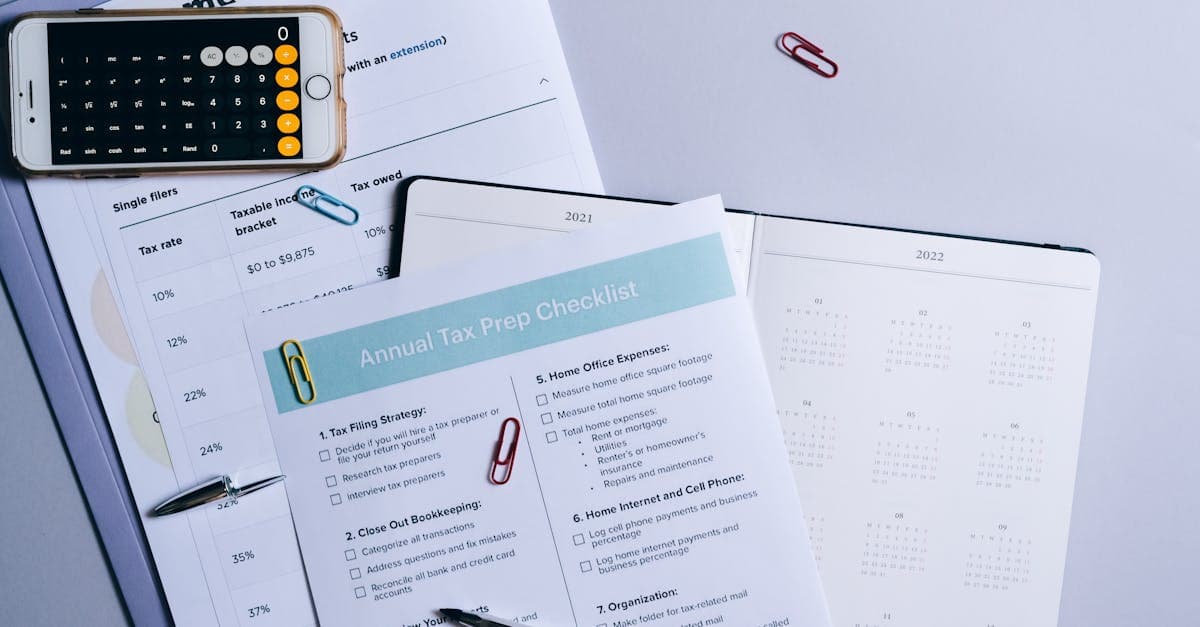
The Annual Policy Checkup: Why Once a Year Is the Minimum
At minimum, review every insurance policy once a year. Annual checkups catch coverage gaps, identify savings opportunities, and ensure your protection matches your current life circumstances.

Assignment of Benefits Explained: How AOB Transfers Your Claim Rights
An AOB agreement signs over your right to collect insurance benefits to a contractor or vendor. Understanding this transfer is critical before you sign any document after property damage.