The Real Cost of Skipping Uninsured Motorist Coverage

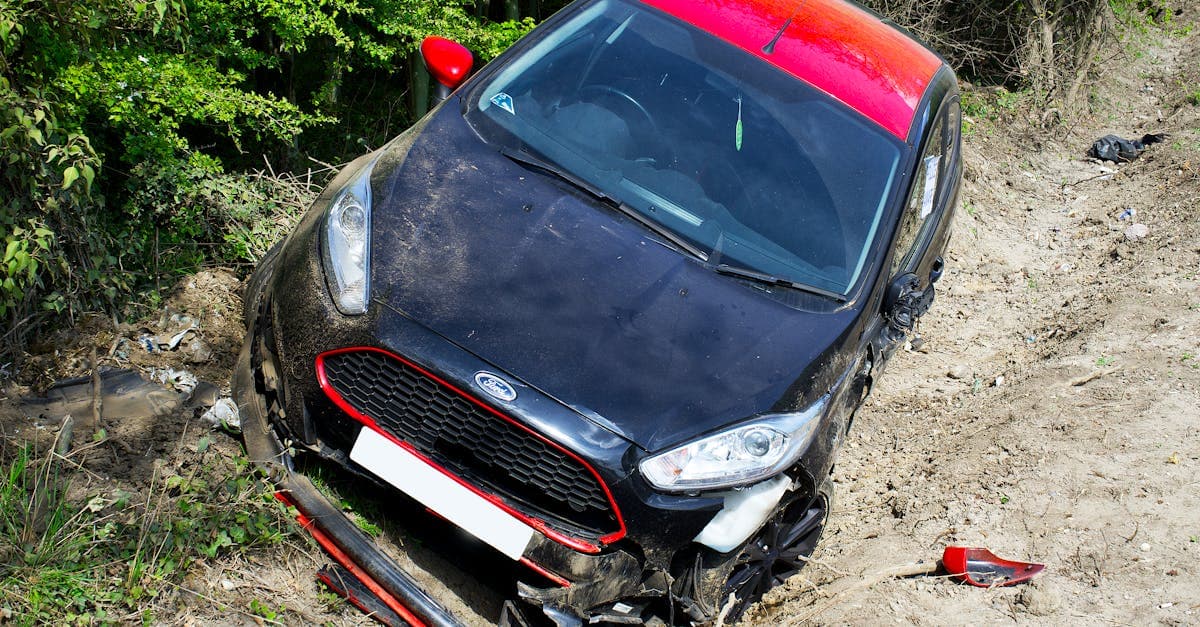
A distracted driver runs a red light and broadsides your car at forty miles per hour. You spend three days in the hospital with a broken pelvis and fractured wrist. The medical bills reach sixty-two thousand dollars. You miss eight weeks of work, losing fourteen thousand dollars in income. Your vehicle is totaled — another eighteen thousand dollars gone.
Let's break this down further. Then you learn the other driver has no insurance. No policy, no assets, no way to pay. Your total losses exceed ninety-four thousand dollars, and the person responsible has nothing.
If you have UM coverage, you file a claim with your own insurer. They pay your medical bills, your lost wages, compensation for pain and suffering, and your vehicle damage — up to your policy limits. If you do not have UM coverage, you absorb every dollar yourself.
This is weighing whether the seed of UM premium grows into protection worth its planting cost. The driver in this scenario paid roughly one hundred and fifty dollars per year for UM coverage. The single claim returned more than six hundred times the annual premium. Even if this driver had paid UM premiums for forty years without ever filing a claim, the total lifetime cost would still be less than seven percent of this one payout.
The worth of UM coverage becomes undeniable when you see the numbers from real accidents. The question is not whether you can afford UM coverage — it is whether you can afford to go without it.
UM Coverage vs Health Insurance: Why You Need Both
Think of it this way. One of the most common reasons drivers skip UM coverage is the belief that health insurance provides adequate protection. This is the deep root system that keeps your finances grounded when the storm of an uninsured collision hits against a dangerous misconception, because health insurance and UM coverage serve fundamentally different purposes.
What health insurance covers: Medical treatment costs — hospital stays, surgery, doctor visits, prescriptions, and rehabilitation. Health insurance pays providers for the cost of treating your injuries.
What health insurance does not cover: Lost wages during recovery. Pain and suffering. Emotional distress. Vehicle damage. Diminished earning capacity from permanent injuries. Loss of enjoyment of life. These damages can easily exceed the medical bills, and no health insurance policy pays a single dollar toward any of them.
Cost differences in coverage: Health insurance comes with deductibles ranging from five hundred to several thousand dollars, copays of twenty to fifty dollars per visit, coinsurance of ten to thirty percent on major procedures, and network restrictions that can limit your choice of providers. UM coverage pays reasonable and customary medical expenses without these limitations.
The coordination advantage: When you have both health insurance and UM coverage, you receive the most comprehensive protection available. Health insurance provides immediate access to medical care. UM coverage pays for everything health insurance misses — the out-of-pocket medical costs, the lost wages, and the pain and suffering that represent the largest portion of most injury claims.
The bottom line: Health insurance is essential for medical care, but it is not designed to make you whole after an accident caused by someone else. UM coverage fills the gap between what health insurance pays and what you actually lose. Having one does not eliminate the need for the other.
UM Coverage Value for Daily Commuters
Let's break this down further. Daily commuters spend more time on the road than occasional drivers, which directly increases their exposure to uninsured motorists. The value calculation for commuters is especially compelling.
Increased exposure: A typical commuter drives twelve thousand to fifteen thousand miles per year, spending three hundred to five hundred hours behind the wheel. Every mile and every minute increases the probability of an accident, including one involving an uninsured driver. Higher exposure means higher risk, which means higher coverage value.
High-traffic risk zones: Commuters typically drive during peak traffic hours when accident frequency is highest. Urban and suburban commuting routes pass through intersections, merge zones, and congested corridors where accidents are most likely to occur. These are also the environments where uninsured drivers are most concentrated.
Income protection importance: Commuters are, by definition, working — which means they have income to protect. An uninsured driver accident that prevents a commuter from working creates an immediate income gap. UM coverage pays lost wages during recovery, preventing the financial cascade that follows when paychecks stop.
Vehicle dependency: Commuters depend on their vehicles to earn a living. An uninsured driver who totals a commuter's vehicle creates both a property loss and a transportation crisis. UM property damage coverage can fund a replacement vehicle, while collision coverage alone requires paying a deductible out of pocket.
Per-mile cost perspective: A commuter paying one hundred fifty dollars per year for UM coverage and driving fifteen thousand miles annually pays one penny per mile for UM protection. That penny buys protection against losses that can exceed one hundred thousand dollars. No other per-mile expense delivers remotely comparable value.
How to Maximize the Value of Your UM Coverage
Think of it this way. If you have decided UM coverage is worth the premium, the next step is ensuring you extract maximum value from every dollar spent. Strategic choices about limits, stacking, and complementary coverages can significantly enhance your protection.
Match UM to liability limits: Most insurance professionals recommend setting UM limits equal to your bodily injury liability limits. If you carry one hundred three hundred liability, carry one hundred three hundred UM. This ensures balanced protection in both directions — when you cause an accident and when an uninsured driver hits you.
Evaluate stacking in eligible states: If your state allows stacking and you have multiple vehicles, compare the cost of stacked versus unstacked coverage. The incremental premium for stacking is usually modest relative to the multiplication of coverage it provides.
Pair with MedPay or PIP: Medical payments or personal injury protection coverage provides immediate medical expense coverage without fault determination. Pairing this with UM coverage ensures your medical bills are covered promptly while the UM claim process addresses the larger damages.
Consider umbrella UM: If your auto UM limits feel insufficient for your financial situation, ask your umbrella insurer about UM coverage. Umbrella UM adds a layer of protection above your auto UM for a relatively small additional premium.
Review limits annually: Medical costs increase every year, which means the real value of your UM limits decreases over time. Review your limits at each renewal and increase them periodically to maintain adequate protection. A limit that was sufficient five years ago may be inadequate today.
UM Coverage Value State by State
Let's break this down further. The value of uninsured motorist coverage varies by state because uninsured driver rates differ dramatically across the country. Understanding your state's specific risk level helps you evaluate whether UM coverage is worth the premium you are paying.
Highest-risk states: Mississippi leads the nation with a 29.4 percent uninsured rate — nearly one in three drivers. New Mexico follows at 21.8 percent, Michigan at 25.5 percent, and Tennessee at 23.7 percent. In these states, UM coverage is exceptionally valuable because the probability of encountering an uninsured driver is two to three times the national average.
Moderate-risk states: States like Florida, Alabama, Washington, and Oklahoma have uninsured rates between 15 and 20 percent. The risk is well above the national average, and UM coverage provides strong value. Florida's combination of high uninsured rates and no-fault limitations makes UM coverage particularly important.
Lower-risk states: States like Massachusetts, New York, and Maine have uninsured rates below 7 percent. The risk is lower but not negligible — even a 5 percent rate means one in twenty drivers carries no insurance. UM coverage still provides meaningful value in these states, and premiums are typically lower to reflect the reduced risk.
Cost correlation: UM premiums generally track with state risk levels. High-risk states charge more for UM coverage, but the coverage is also more likely to be needed. Low-risk states charge less, making the coverage affordable even when the probability of needing it is lower. The value proposition remains favorable in both scenarios.
Interstate travel: If you regularly drive through high-risk states, your home state's uninsured rate understates your actual exposure. Commuters and travelers who cross state lines should consider their full geographic risk profile when evaluating UM coverage worth.
The Cost-Benefit Math of UM Coverage
Let's break this down further. Understanding whether UM coverage is worth it starts with weighing whether the seed of UM premium grows into protection worth its planting cost. The calculation is straightforward: compare what you pay in premiums to what you could receive in claim benefits, adjusted for the probability of needing the coverage.
Annual premium cost: Most drivers pay between fifty and two hundred dollars per year for UM coverage, depending on state, limits, and personal factors. That works out to roughly fourteen to fifty-five cents per day. Over a typical driving career of forty years, total UM premiums amount to two thousand to eight thousand dollars.
Potential claim value: The average UM bodily injury claim exceeds twenty thousand dollars. Serious injury claims — broken bones, head injuries, spinal damage — routinely reach fifty thousand to two hundred thousand dollars. Catastrophic injuries with permanent disability can produce claims exceeding five hundred thousand dollars.
Risk probability: With 12.6 percent of drivers uninsured nationally, the probability of encountering an uninsured driver in any given accident is roughly one in eight. Over a forty-year driving career, the cumulative probability of at least one accident involving an uninsured driver is substantial.
The math: Even using conservative estimates — a five percent lifetime probability of needing UM coverage and an average claim of thirty thousand dollars — the expected value of UM coverage is fifteen hundred dollars. Compare that to the worst-case lifetime premium of eight thousand dollars, and the raw expected value appears negative. But insurance is not about expected value — it is about protecting against catastrophic loss. The same math would argue against buying homeowners insurance, yet no rational person goes without it.
Is Stacked UM Coverage Worth the Extra Premium?
Think of it this way. In states that allow stacking, drivers with multiple vehicles can multiply their UM limits for a modest additional cost. Understanding whether stacked coverage is worth the extra premium requires examining weighing whether the seed of UM premium grows into protection worth its planting cost in your specific situation.
How stacking multiplies protection: With unstacked coverage at one hundred thousand dollars per person, you have one hundred thousand in UM protection regardless of how many vehicles are on your policy. With stacking, each vehicle multiplies the limit — three vehicles give you three hundred thousand in protection.
The cost of stacking: Stacked UM coverage typically costs fifteen to forty percent more per vehicle than unstacked coverage. On a three-vehicle policy, this might mean paying four hundred fifty dollars per year instead of three hundred for a three-fold increase in protection. The incremental cost per dollar of additional coverage is remarkably low.
When stacking is worth it: Stacking is most valuable for families with multiple vehicles and significant assets to protect. If your household income exceeds fifty thousand dollars and you have two or more vehicles, the additional protection from stacking can prevent a single serious accident from devastating your finances.
When stacking is less critical: If you have only one vehicle on your policy, stacking is not available. If your assets and income are limited, higher unstacked limits might provide adequate protection at a lower total cost. And in states that do not allow stacking, the question is moot.
Stacking with umbrella UM: Some drivers combine stacked auto UM coverage with umbrella UM coverage for maximum protection. This layered approach provides the broadest possible coverage against uninsured motorists and is especially valuable for high-net-worth households.
Is UM Coverage Worth It for Young Drivers?
Let's break this down further. Young drivers aged sixteen to twenty-five face the highest accident rates of any age group. This elevated risk, combined with typically limited financial resources, makes UM coverage especially important for this demographic.
Higher accident frequency: Drivers under twenty-five are involved in accidents at roughly twice the rate of older drivers. More accidents mean more opportunities to encounter an uninsured motorist. The elevated frequency directly increases the probability of needing UM coverage.
Greater injury vulnerability: Young drivers are more likely to engage in risky driving behaviors and less experienced at avoiding accidents. When an uninsured driver causes an accident, younger drivers may suffer more severe injuries due to the circumstances of the collision.
Limited financial reserves: Most young drivers have minimal savings, limited or no disability insurance, and entry-level incomes that cannot absorb significant unexpected expenses. A twenty-thousand-dollar loss from an uninsured motorist accident can be financially catastrophic for a young adult.
Career-stage income protection: Young drivers are at the beginning of their earning potential. An injury from an uninsured driver that causes permanent disability or extended recovery can reduce lifetime earnings by hundreds of thousands of dollars. UM coverage compensates for lost wages and diminished earning capacity, protecting long-term financial trajectory.
Premium cost for young drivers: UM premiums for young drivers are slightly higher than average due to elevated risk, but they remain affordable — typically seventy-five to two hundred fifty dollars per year. Relative to the financial protection provided, this cost is negligible for a demographic that is most likely to need the coverage.
The Strategic Answer: UM Coverage Is Worth It
From a risk management perspective, the strategic answer is unambiguous. Uninsured motorist coverage is worth the premium for almost every driver in almost every situation.
The coverage addresses a real risk — one in eight drivers has no insurance. It protects against significant losses — average claims exceed twenty thousand dollars. It costs very little — most drivers pay less than two hundred dollars per year. And it provides protection that no other coverage replicates — pain and suffering, lost wages, and medical expenses in a single package.
The strategic approach is to carry UM coverage at limits matching your liability limits, evaluate stacking options if available, and review your limits annually to keep pace with rising costs. Pair UM with complementary coverages for maximum protection, and consider umbrella UM if your assets warrant additional protection.
Drivers who approach UM coverage strategically rather than as an afterthought consistently achieve better financial outcomes after uninsured motorist accidents. The small annual investment in UM coverage provides outsized protection against a risk that exists on every road, every day.
Continue reading

Beyond the Premium: What Really Matters When Comparing Insurance Quotes
The cheapest quote is not always the best deal. Understanding what drives real value in an insurance policy helps you compare quotes on the factors that matter most when you actually need to file a claim.

The Annual Policy Checkup: Why Once a Year Is the Minimum
At minimum, review every insurance policy once a year. Annual checkups catch coverage gaps, identify savings opportunities, and ensure your protection matches your current life circumstances.

Assignment of Benefits Explained: How AOB Transfers Your Claim Rights
An AOB agreement signs over your right to collect insurance benefits to a contractor or vendor. Understanding this transfer is critical before you sign any document after property damage.