The Complete Florida Homeowners Insurance Buying Checklist

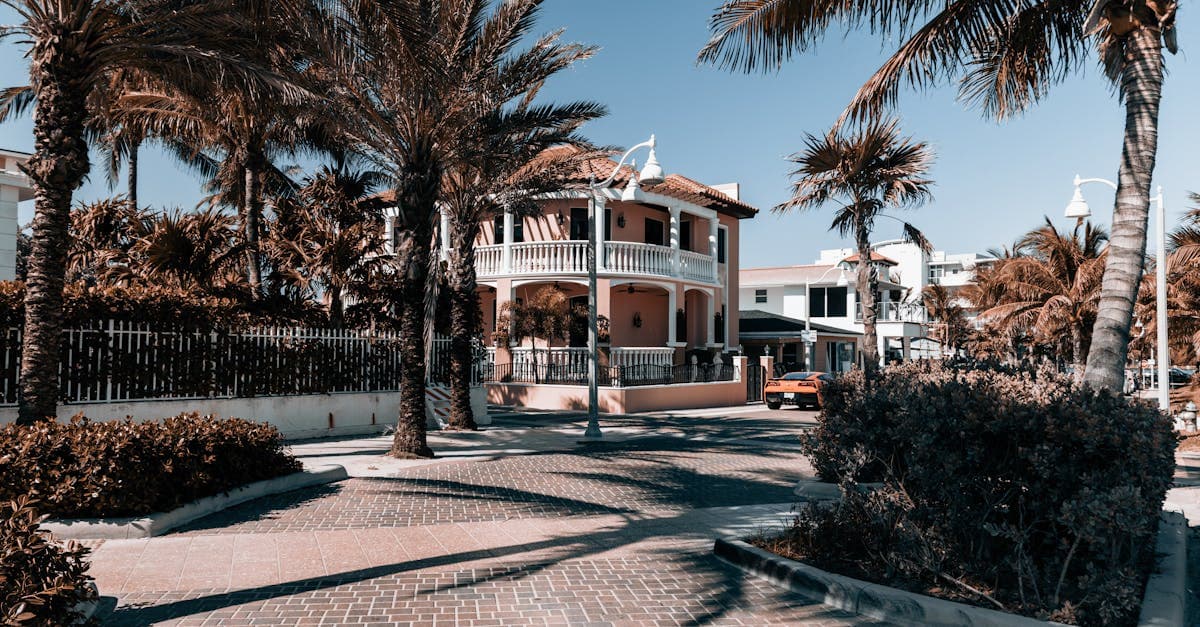
Hurricane season arrives, and a Category 2 storm makes landfall near your Florida home. Wind tears shingles from your roof, rain pours through exposed decking into your living room, and rising water from the storm surge floods your first floor with eighteen inches of standing water. The total damage exceeds $95,000.
Let's break this down further. You call your homeowners insurance company to file a claim. The adjuster arrives and begins separating the damage into categories. The wind damage to the roof — about $35,000 — triggers your hurricane deductible, which at 2 percent of your $400,000 dwelling coverage means $8,000 out of pocket before insurance pays a dollar. The water damage from rain through the roof opening is covered after that deductible. But the $40,000 in flood damage from the storm surge is denied entirely because your homeowners policy excludes flood damage and you never purchased a separate flood policy.
Your total out-of-pocket exposure on a $95,000 loss: more than $48,000 between the hurricane deductible and the uncovered flood damage. This is cultivating a resilient insurance ecosystem that thrives under the specific environmental pressures Florida homeowners face daily.
This scenario plays out every hurricane season across Florida. Homeowners who did not ask the right questions before buying their policy discover — at the worst possible moment — that their coverage has gaps large enough to sink their finances. The questions in this guide prevent exactly this kind of devastating surprise.
Evaluating Your Florida Insurer's Financial Stability
Think of it this way. In a state where multiple insurers have gone insolvent in recent years, asking about your insurer's financial strength is not optional — it is essential for ensuring your claims will actually be paid when disaster strikes.
Why it matters in Florida: Florida's insurance market is uniquely volatile. The combination of hurricane exposure, litigation costs, and regulatory pressures has driven several insurers into insolvency or receivership. When your insurer fails, your claims may be delayed, reduced, or transferred to a different entity.
AM Best ratings: AM Best is the primary rating agency for insurance companies. Look for carriers rated A- (Excellent) or better. Ratings below B+ indicate potential financial concerns. Ask your agent for your insurer's current AM Best rating.
Demotech ratings: Many smaller Florida insurers that do not carry AM Best ratings are rated by Demotech. A Demotech rating of A (Exceptional) or A' is generally acceptable for mortgage lenders. Ask which rating agency evaluates your insurer and what the current rating is.
Florida Insurance Guaranty Association: If your insurer becomes insolvent, the Florida Insurance Guaranty Association covers claims up to $300,000 per claim. However, FIGA coverage can involve delays, limitations, and the need to find replacement coverage quickly in a potentially tight market.
Reinsurance and capitalization: Well-managed Florida insurers maintain strong reinsurance programs that transfer a portion of their catastrophe risk to larger, global reinsurers. Ask whether your insurer has adequate reinsurance for a major hurricane season.
The essential question to ask: Ask your agent for the insurer's AM Best or Demotech rating, how long the company has been writing Florida homeowners policies, and how the company performed financially during recent active hurricane seasons.
Ensuring Adequate Replacement Cost Coverage in Florida
Let's break this down further. Replacement cost coverage is the cornerstone of your Florida homeowners policy, and getting the amount right is critical. Underinsurance is one of the most common and costly problems Florida homeowners face after a major loss.
Replacement cost vs market value: Your dwelling coverage should reflect the cost to rebuild your home at today's construction prices, not its real estate market value or purchase price. In Florida, rebuild costs often differ significantly from market value due to land values, location premiums, and construction costs.
Post-hurricane demand surge: After a major Florida hurricane, construction labor and material costs spike dramatically as demand for repairs overwhelms local capacity. Demand surge can increase rebuilding costs by 20 to 40 percent. Your replacement cost estimate should account for this potential.
Extended replacement cost options: Some Florida insurers offer extended replacement cost coverage that pays 25 percent or more above your dwelling coverage limit if actual rebuilding costs exceed your policy amount. This buffer protects against underinsurance.
Guaranteed replacement cost: A few Florida insurers offer guaranteed replacement cost coverage that pays whatever it costs to rebuild your home regardless of the policy limit. This is the strongest protection against underinsurance but is less commonly available in Florida.
Regular coverage reviews: Florida construction costs have risen significantly in recent years. Review your dwelling coverage amount annually and adjust upward as rebuilding costs increase. An amount that was adequate three years ago may leave you underinsured today.
The essential question to ask: Ask your agent how your dwelling coverage amount was calculated, whether it accounts for post-hurricane demand surge, whether extended or guaranteed replacement cost is available, and when the coverage amount was last reviewed against current construction costs.
Florida Condo Insurance: HO-6 Questions Every Owner Must Ask
Think of it this way. Florida condo owners face unique insurance challenges because coverage responsibility is split between the condo association's master policy and the individual unit owner's HO-6 policy. Understanding where one ends and the other begins prevents dangerous gaps.
Master policy types: Florida condo associations carry either bare walls coverage — covering the building structure only — or all-in coverage that includes fixtures, improvements, and installations within units. The type of master policy determines what your HO-6 must cover.
Bare walls implications: If your association carries bare walls coverage, your HO-6 policy must cover everything from the drywall in — flooring, cabinets, countertops, plumbing fixtures, appliances, and all improvements. This significantly increases the coverage you need on your individual policy.
Loss assessment coverage: If the condo association's master policy has a large deductible or insufficient limits, the association may assess individual owners for the shortfall. Loss assessment coverage on your HO-6 policy helps pay your share of these assessments.
Personal property coverage: Your HO-6 policy covers your personal belongings within the unit. Evaluate your contents value carefully and choose appropriate limits and replacement cost valuation.
Florida-specific condo risks: Florida condos face hurricane damage to common areas, flooding in ground-floor units, and water damage from units above. Understanding how claims involving multiple units and the master policy are coordinated prevents coverage disputes.
The essential question to ask: Ask your agent what type of master policy your association carries, what your HO-6 policy needs to cover based on the master policy type, what loss assessment coverage limit is appropriate, and how claims involving both the master policy and your HO-6 are coordinated.
Insurance Claim Disputes in Florida: Know Your Options
Let's break this down further. Even with the right policy, claim disputes can arise in Florida. Understanding your dispute resolution options before you need them prepares you to advocate effectively for a fair settlement.
Internal appeal process: Your first step when disputing a claim decision is your insurer's internal appeal process. Submit additional documentation, contractor estimates, and photographs that support your claim. Many disputes are resolved at this stage.
Florida Department of Financial Services mediation: The DFS offers a free mediation program for Florida homeowners insurance disputes. A neutral mediator helps you and your insurer negotiate a resolution. Mediation is voluntary but frequently results in settlements.
Appraisal process: Most Florida homeowners policies contain an appraisal clause that allows either party to demand an appraisal when there is a disagreement about the amount of a covered loss. Each side selects an appraiser, and the two appraisers select an umpire to resolve disputes.
Public adjusters: Florida public adjusters work on behalf of homeowners to assess damage and negotiate with insurers. They charge a percentage of the claim settlement — typically 10 to 20 percent. Consider the cost-benefit before hiring one.
Attorney consultation: For complex or high-value claim disputes, consulting a Florida insurance attorney provides legal guidance on your rights and options. Florida law provides specific protections for policyholders in claim disputes.
Time limits for action: Florida law sets deadlines for reporting claims, filing proofs of loss, and initiating legal action against insurers. Missing these deadlines can forfeit your claim rights.
The essential question to ask: Ask your agent to explain the claim dispute process for your specific insurer, what your policy's appraisal clause provides, and what external dispute resolution options are available through the Florida Department of Financial Services.
Understanding Florida Hurricane Deductibles
Let's break this down further. Knowing how your hurricane deductible works is the deep root system that anchors a Florida homeowner's financial stability against the relentless storms that test the coastline year after year. Florida hurricane deductibles are fundamentally different from standard all-other-perils deductibles, and this difference catches homeowners off guard every storm season.
Percentage-based calculation: Florida hurricane deductibles are typically expressed as a percentage of your dwelling coverage — usually 2 percent, 5 percent, or sometimes 10 percent. On a home insured for $400,000, a 2 percent hurricane deductible is $8,000, and a 5 percent deductible is $20,000.
When the hurricane deductible applies: The hurricane deductible triggers when the National Hurricane Center declares a hurricane and your property sustains wind damage from that event. Some policies trigger on any named storm, which has a lower threshold than a hurricane declaration.
One deductible per season vs per storm: Florida policies typically apply the hurricane deductible once per calendar year rather than per storm. If two hurricanes strike in the same season, you pay the deductible once, not twice.
Choosing your deductible level: Lower percentage deductibles cost more in annual premium but reduce your out-of-pocket costs on claims. Higher percentage deductibles reduce premiums but increase your financial exposure. Calculate the actual dollar amount at each percentage level before choosing.
Deductible buy-back options: Some Florida insurers offer deductible buy-back endorsements that reduce your hurricane deductible for an additional premium. This can be cost-effective for homeowners who want lower out-of-pocket costs but still want the base premium benefit of a higher deductible.
The essential question to ask: Ask your agent to calculate your hurricane deductible in actual dollars at each available percentage level, and compare the annual premium difference against the out-of-pocket difference on a potential claim.
Water Damage Coverage Gaps in Florida Homeowners Policies
Think of it this way. Water damage is the most common source of Florida homeowners claims, but not all water damage is covered equally. Understanding which water scenarios your policy covers and which it excludes prevents costly claim denials.
Sudden and accidental water damage: Your Florida homeowners policy covers water damage from sudden internal events — a burst pipe, a failed water heater, an overflowing appliance. The key is that the damage must be sudden and accidental, not gradual.
Gradual water damage exclusion: Slow leaks, seeping pipes, and long-term moisture intrusion that you should have noticed and repaired are typically excluded as maintenance-related damage. If a pipe has been leaking for months, the resulting damage may not be covered.
Flood water exclusion: All external water entering your home from outside — storm surge, rising groundwater, surface runoff, and overflowing waterways — is excluded as flood damage and requires a separate flood insurance policy.
Sewer backup: Water that backs up through your drains and sewer connections is not covered by standard homeowners policies. A sewer backup endorsement, typically costing $40 to $150 per year, adds this critical coverage.
Wind-driven rain: Rain that enters through openings created by wind damage — a hole in the roof, a broken window — is generally covered as wind damage. But rain that enters through intact but poorly sealed windows or doors may be denied as a maintenance issue.
Mold from water damage: Florida's humidity makes mold a frequent consequence of water damage. Most Florida policies cap mold coverage at $10,000 or less. If water damage leads to extensive mold, your mold coverage limit may be insufficient.
The essential question to ask: Ask your agent to walk through each type of water damage scenario — burst pipes, slow leaks, sewer backup, flood, wind-driven rain — and explain which your policy covers, which require endorsements, and which need separate policies.
Liability Coverage Questions Every Florida Homeowner Should Ask
Let's break this down further. Liability coverage protects you when someone is injured on your Florida property or you cause damage to someone else's property. Florida's outdoor lifestyle, pools, and year-round activity create liability exposure that requires careful evaluation.
Standard liability limits: Florida homeowners policies typically offer liability coverage starting at $100,000, with options to increase to $300,000 or $500,000. Given the potential severity of injury claims, most financial advisors recommend at least $300,000.
Swimming pool liability: Florida has one of the highest rates of pool ownership in the country. Pools significantly increase liability exposure, especially for child drowning and diving injuries. Insurers may require specific safety features like fences, alarms, and covers.
Dog bite liability: Florida follows strict liability for dog bites, meaning the owner is liable regardless of the dog's history. Some Florida insurers exclude certain dog breeds from liability coverage. If you own a dog, confirm that your policy covers dog bite claims.
Recreational features: Trampolines, swing sets, docks, boat lifts, and other recreational features increase liability exposure. Some features may be excluded from coverage or require additional endorsements. Disclose all recreational features to your insurer.
Medical payments coverage: Med-pay covers small injury claims on your property regardless of fault, typically up to $1,000 to $5,000 per person. This no-fault coverage handles minor incidents without triggering a liability claim.
Umbrella policy consideration: For Florida homeowners with pools, docks, rental properties, or significant assets, an umbrella policy provides liability coverage above your homeowners and auto policy limits, typically in $1 million increments at relatively modest premiums.
The essential question to ask: Ask your agent what liability limit your policy carries, whether any features of your property are excluded from liability coverage, what the med-pay limit is, and whether an umbrella policy would be appropriate given your specific risk factors.
The Strategic Approach to Florida Homeowners Insurance
The most important takeaway from this guide is that buying Florida homeowners insurance is not a simple transaction — it is a strategic decision that requires research, comparison, and detailed questioning.
Florida's insurance environment is uniquely challenging. Higher premiums, complex deductible structures, frequent exclusions, and insurer stability concerns create a landscape where informed buyers are protected and uninformed buyers are vulnerable.
The strategic Florida homeowner does not accept the first quote offered. They compare multiple insurers on standardized coverage. They understand their hurricane deductible in actual dollars. They purchase flood insurance separately. They document wind mitigation features for maximum discounts. And they verify their insurer's financial strength before trusting them with their largest asset.
This approach takes more time than simply asking for the cheapest policy. But the difference between a well-researched policy and a hastily purchased one often becomes apparent only during a claim — and by then, the consequences of poor questions are measured in thousands of dollars.
Invest the time to ask every question that matters. Your Florida home deserves coverage that actually works when you need it.
Continue reading

Beyond the Premium: What Really Matters When Comparing Insurance Quotes
The cheapest quote is not always the best deal. Understanding what drives real value in an insurance policy helps you compare quotes on the factors that matter most when you actually need to file a claim.
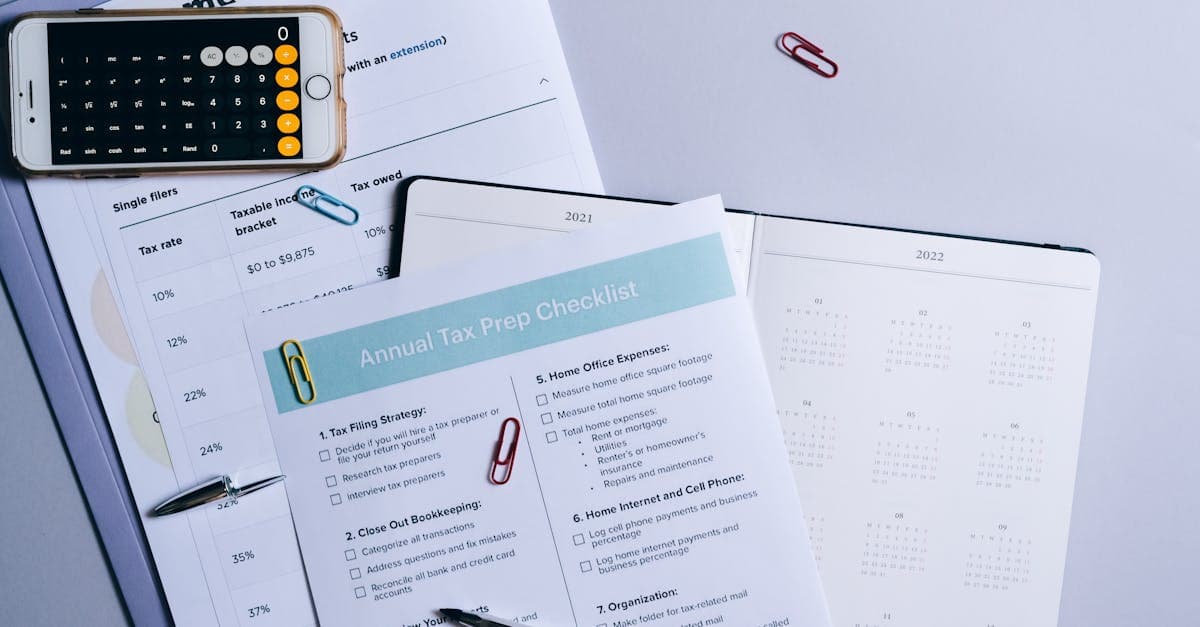
The Annual Policy Checkup: Why Once a Year Is the Minimum
At minimum, review every insurance policy once a year. Annual checkups catch coverage gaps, identify savings opportunities, and ensure your protection matches your current life circumstances.
Assignment of Benefits Explained: How AOB Transfers Your Claim Rights
An AOB agreement signs over your right to collect insurance benefits to a contractor or vendor. Understanding this transfer is critical before you sign any document after property damage.