Florida Insurance Lapse Penalties: Everything You Need to Know


James had been driving in Florida for six years with a clean record when he lost his job. Trying to cut expenses, he skipped his auto insurance payment, figuring he would catch up once he found work. Two weeks later, his insurer cancelled the policy and notified the state. Within 30 days, Florida suspended his vehicle registration. When a friend offered James a temporary job across town, he drove anyway — and was pulled over for a broken taillight.
Let's break this down further. The traffic stop revealed the suspended registration and no proof of insurance. James received citations for both, his vehicle was flagged for potential impoundment, and his license was at risk. When he finally secured new insurance, his premium was 45 percent higher than his previous policy because of the coverage gap. The reinstatement fee was $150. The total cost of skipping two months of premium payments exceeded $2,000 in the first year alone.
This is replanting your coverage after a Florida lapse and nurturing it back to full strength. James's story is not unusual in Florida. Thousands of drivers experience this cascade every year, often triggered by a single missed payment during a period of financial stress. The penalties designed to keep drivers insured end up making insurance more expensive for the drivers who could least afford it in the first place.
Understanding how quickly a Florida insurance lapse escalates — and knowing exactly what steps to take if it happens — can save you thousands of dollars and months of stress. This guide covers every consequence, every deadline, and every strategy for prevention and recovery.
How a Lapse Permanently Raises Your Florida Insurance Premiums
Think of it this way. The reinstatement fee is a one-time charge, but the premium increase that follows a Florida insurance lapse persists for years. This ongoing cost is often the most expensive consequence of a coverage gap — far exceeding the reinstatement fee that gets all the attention.
The coverage gap surcharge: When you apply for new insurance after a Florida lapse, every insurer asks about gaps in your coverage history. A lapse of even a few days results in classification as a driver with a coverage gap, which triggers a premium surcharge. This surcharge typically ranges from 20 to 50 percent above what you would pay with continuous coverage.
Lost continuous coverage discounts: Many Florida insurers offer discounts for drivers who maintain continuous coverage without any lapses. A typical continuous coverage discount ranges from 5 to 15 percent of your base premium. Losing this discount after a lapse effectively doubles the financial impact — you pay more due to the gap surcharge and lose the discount simultaneously.
Duration of the premium impact: Most Florida insurers consider coverage gaps for the previous three to five years when calculating your premium. A single lapse can increase your costs for the entire lookback period, resulting in cumulative additional costs that reach into the thousands of dollars.
Shopping after a lapse: Not all Florida insurers penalize lapses equally. Some specialize in drivers with coverage gaps and offer more competitive rates. Shopping at least five to seven insurers after a lapse is essential because the premium variation for lapsed drivers is significantly wider than for continuously covered drivers.
Rebuilding your rate: The only way to eliminate the premium impact of a lapse is to maintain continuous coverage long enough for the gap to fall outside each insurer's lookback period. This typically takes three to five years of uninterrupted coverage, making every future payment a critical step in your financial recovery.
How a Florida Lapse Affects Financed and Leased Vehicles
Let's break this down further. Drivers with car loans or leases face a double penalty when their Florida insurance lapses. In addition to the state's enforcement consequences, the lending or leasing institution imposes its own set of penalties that can compound the financial damage significantly.
Contractual insurance requirements: Every auto loan and lease agreement in Florida includes a clause requiring the borrower or lessee to maintain comprehensive and collision coverage at specified levels throughout the term. This requirement protects the lender's financial interest in the vehicle and is a condition of the financing agreement.
Lender notification systems: Most auto lenders use electronic insurance tracking services that monitor your coverage status in real time. When your insurer reports a cancellation, your lender receives notification within days. The lender then contacts you to demand proof of replacement coverage, typically with a 15 to 30-day deadline.
Force-placed insurance consequences: If you fail to provide proof of coverage within the lender's deadline, the lender purchases force-placed insurance and bills you for the premium. Force-placed premiums are dramatically higher than market rates and protect only the lender's interest. You receive no liability, PIP, or uninsured motorist protection from force-placed coverage.
Loan acceleration risk: Repeated or prolonged insurance lapses may constitute a breach of your loan agreement, giving the lender the right to accelerate the loan — demanding immediate full payment of the remaining balance. While lenders rarely exercise this right for a first lapse, chronic coverage gaps increase the risk of acceleration and potential vehicle repossession.
Lease-specific consequences: Lease agreements often have stricter insurance requirements than loan agreements, including higher liability limits and lower deductibles. A lapse on a leased vehicle may trigger lease termination penalties in addition to force-placed insurance costs, creating a financial emergency that extends well beyond the insurance issue itself.
How a Lapse Affects Multi-Vehicle Florida Policies
Think of it this way. Families with multiple vehicles on a single Florida policy face amplified consequences when a lapse occurs. Because all vehicles share one policy, a single missed payment can trigger penalties for every vehicle simultaneously, multiplying the financial and administrative damage.
All vehicles affected simultaneously: When a multi-vehicle policy in Florida lapses due to non-payment or cancellation, coverage drops for every vehicle on the policy at the same time. The state's verification system flags each vehicle independently, which can generate multiple compliance notices and potentially multiple registration suspensions.
Multiple reinstatement fees possible: If registrations for multiple vehicles are suspended, you may need to pay reinstatement fees for each vehicle. Three vehicles with suspended registrations at $150 each for a first offense means $450 in state fees alone before you even purchase new insurance.
Lender complications multiplied: If multiple vehicles on the policy have outstanding loans or leases, each lender receives notification of the lapse and may initiate force-placed insurance independently. The combined cost of force-placed insurance on multiple vehicles can be financially devastating.
Family-wide driving impact: Every driver listed on the policy loses coverage for every vehicle. This means that a parent's missed payment leaves teen drivers, spouses, and other household members without coverage simultaneously. Any family member driving any of the vehicles during the lapse faces the same legal and financial exposure.
Strategic considerations for multi-vehicle families: Families with multiple vehicles should prioritize automatic payments even more strongly than single-vehicle households. The consequences of a single lapse are multiplied by the number of vehicles and drivers on the policy. Some families choose to split vehicles across two policies with different payment dates to reduce the risk of a single missed payment affecting all vehicles.
What Happens If You Have an Accident During a Florida Insurance Lapse
Let's break this down further. Being involved in an accident while your Florida insurance has lapsed is the worst-case scenario for any driver. Without active coverage, you face personal liability, criminal penalties, and long-term consequences that compound the immediate damage of the accident itself. This represents the drought that withers your legal standing, your driving record, and your financial protection all at once in its most devastating form.
Zero insurance protection: During a lapse, you have no PIP coverage for your own medical bills, no property damage liability for damage you cause to others, no collision coverage for your own vehicle damage, and no uninsured motorist coverage if the other driver is also uninsured. Every dollar of every cost comes directly from your personal resources.
Personal liability for injuries and damage: If you are at fault in an accident during a lapse, you are personally responsible for all injuries to other parties and all property damage you cause. In a serious accident involving injuries, medical bills alone can reach tens or hundreds of thousands of dollars. The injured party's attorney will pursue your personal assets to satisfy these claims.
Criminal penalties for driving uninsured: Florida treats driving without insurance as a traffic offense that can carry criminal penalties for repeat offenders. When an accident occurs during a lapse, the uninsured driving charge is added to any accident-related citations, creating a compound legal problem that requires both criminal and civil resolution.
Loss of lawsuit rights: Florida law restricts the rights of uninsured drivers to sue for non-economic damages. If you are injured in an accident while uninsured — even if the other driver was entirely at fault — you cannot sue for pain and suffering, emotional distress, or loss of enjoyment of life. You are limited to recovery of economic damages only, which significantly reduces your potential compensation.
Three-year mandatory insurance requirement: An at-fault accident while uninsured triggers Florida's financial responsibility law, requiring you to carry bodily injury liability of at least 10/20 and maintain an SR-22 filing for three years. This mandatory coverage and filing requirement increases your insurance costs substantially for an extended period.
How Florida Detects Insurance Lapses Electronically
Let's break this down further. Florida operates one of the most sophisticated insurance verification systems in the nation, and it is the drought that withers your legal standing, your driving record, and your financial protection all at once for any driver who lets coverage slip. The Financial Responsibility Verification System continuously monitors the insurance status of every registered vehicle in the state.
How the system works: Florida insurers are required to report all policy activations, cancellations, and non-renewals electronically to the state database. When your insurer cancels your policy for non-payment or any other reason, the cancellation is reported within days. The system then cross-references this cancellation against your vehicle registration to identify the gap.
Detection timeline: Most lapses are detected within five to fifteen business days of the insurer reporting the cancellation. The speed depends on the reporting cycle and the system's processing queue, but there is no reliable window for resolving a lapse before the state notices. Assuming you can cancel and reinstate without detection is a risky gamble that rarely pays off.
The compliance notice: Once a lapse is detected, Florida mails a compliance notice to the address on your vehicle registration. This notice gives you approximately 30 days to provide proof of insurance coverage. Responding with valid proof within the window clears the flag. Failing to respond triggers automatic registration suspension.
False positives and how to handle them: The system occasionally generates false lapse notices when you switch insurers and there is a reporting delay. If you receive a notice and your coverage is continuous, respond immediately with proof from both your old and new insurers showing no gap. Keep copies of all correspondence and confirmation of your response.
How a Florida Lapse Affects Your Right to Sue After an Accident
Think of it this way. One of the most overlooked consequences of a Florida insurance lapse is the permanent impact on your legal rights if you are injured in an accident while uninsured. Florida law specifically restricts the lawsuit rights of drivers who are not insured at the time of an accident.
The statutory restriction: Under Florida law, a driver who does not have the required PIP insurance at the time of an accident cannot recover non-economic damages in a lawsuit against the at-fault driver. Non-economic damages include pain and suffering, emotional distress, loss of enjoyment of life, and loss of consortium. These damages often represent the largest portion of personal injury awards.
What you can still recover: Even without insurance at the time of the accident, you can still sue for economic damages including medical expenses, lost wages, and property damage. However, losing the right to non-economic damages dramatically reduces the total compensation available to you and may make it financially impractical for an attorney to take your case on a contingency basis.
The permanence of the restriction: This limitation applies based on your insurance status at the time of the accident, not at the time you file the lawsuit. If you were uninsured when injured, restoring coverage afterward does not restore your right to non-economic damages for that accident. The restriction is permanent and cannot be retroactively remedied.
Practical impact on injury claims: Without the ability to recover pain and suffering damages, many injury attorneys are unwilling to represent accident victims who were uninsured. The reduced potential award makes contingency representation less viable, leaving uninsured accident victims to navigate the claims process on their own.
The deterrent value: This restriction serves as one of the strongest motivations for maintaining continuous coverage in Florida. No matter how careful a driver you are, you cannot control whether another driver causes an accident. Being uninsured at the wrong moment permanently diminishes your ability to receive fair compensation for serious injuries.
What Happens If You Are Hit by Someone During Your Own Lapse
Let's break this down further. Being the victim of another driver's negligence is bad enough, but being a victim during your own Florida insurance lapse makes the situation dramatically worse. Without active coverage, every protection you should have is gone, and your recovery options are severely limited.
No PIP coverage for your injuries: Florida's no-fault system means your own PIP coverage pays your medical bills after an accident regardless of fault. During a lapse, you have no PIP. This means the first $10,000 in medical expenses that PIP would normally cover comes entirely out of your pocket. Even if the other driver caused the accident, their insurance does not cover your medical bills under the no-fault system.
No uninsured motorist protection: If the driver who hit you has no insurance or insufficient coverage, your UM policy would normally step in. During a lapse, you have no UM coverage. This leaves you completely exposed if you are hit by one of Florida's approximately 20 percent uninsured drivers.
Restricted lawsuit rights: Even though the other driver caused the accident, your lack of insurance at the time restricts your ability to sue for non-economic damages. You can pursue economic damages like medical bills and lost wages, but pain and suffering compensation — often the largest component of injury awards — may be unavailable to you.
Health insurance as a fallback: If you have health insurance, it may cover accident-related medical expenses during a coverage lapse. However, health insurance does not cover lost wages, vehicle damage, or the non-economic damages you cannot pursue through a lawsuit. It is a partial safety net, not a replacement for auto insurance.
The compounding injustice: A driver who is not at fault should be able to recover fully from the at-fault driver. But Florida's insurance lapse penalties reduce your recovery options even when someone else caused the accident. This creates a powerful incentive to maintain continuous coverage regardless of your driving habits.
A Strategic Framework for Continuous Florida Coverage
The strategic reality of Florida insurance is clear: continuous coverage is a non-negotiable financial requirement for any driver in the state. The penalties for letting coverage lapse are too severe, too automated, and too long-lasting to treat insurance as an optional expense that can be paused during financial difficulty.
Your strategic framework should include three layers of protection. The first layer is payment automation — automatic payments that prevent the human error of forgetting or delaying a premium. The second layer is financial buffering — an emergency fund that covers two to three months of premium payments. The third layer is relationship management — a connection with your insurer or agent that allows you to negotiate payment alternatives before cancellation occurs.
For drivers who have already experienced a lapse, the strategic priority is rebuilding. Shop aggressively for competitive rates. Maintain absolutely continuous coverage to rebuild your record. Monitor your driving history to ensure the lapse is accurately recorded and does not generate additional penalties beyond what you have already addressed.
The long-term strategy for every Florida driver is simple: treat your insurance premium as a fixed, non-discretionary expense — like rent or a mortgage payment. The consequences of missing it are similarly severe. Build your budget around this reality, and you will never face the cascading penalties that make Florida insurance lapses so damaging.
Florida's enforcement will only get tighter as technology improves. The drivers who thrive in this environment are the ones who plan ahead, automate their payments, and understand that continuous coverage is the foundation of affordable, legal, and protective auto insurance in the Sunshine State.
Continue reading

Beyond the Premium: What Really Matters When Comparing Insurance Quotes
The cheapest quote is not always the best deal. Understanding what drives real value in an insurance policy helps you compare quotes on the factors that matter most when you actually need to file a claim.
The Annual Policy Checkup: Why Once a Year Is the Minimum
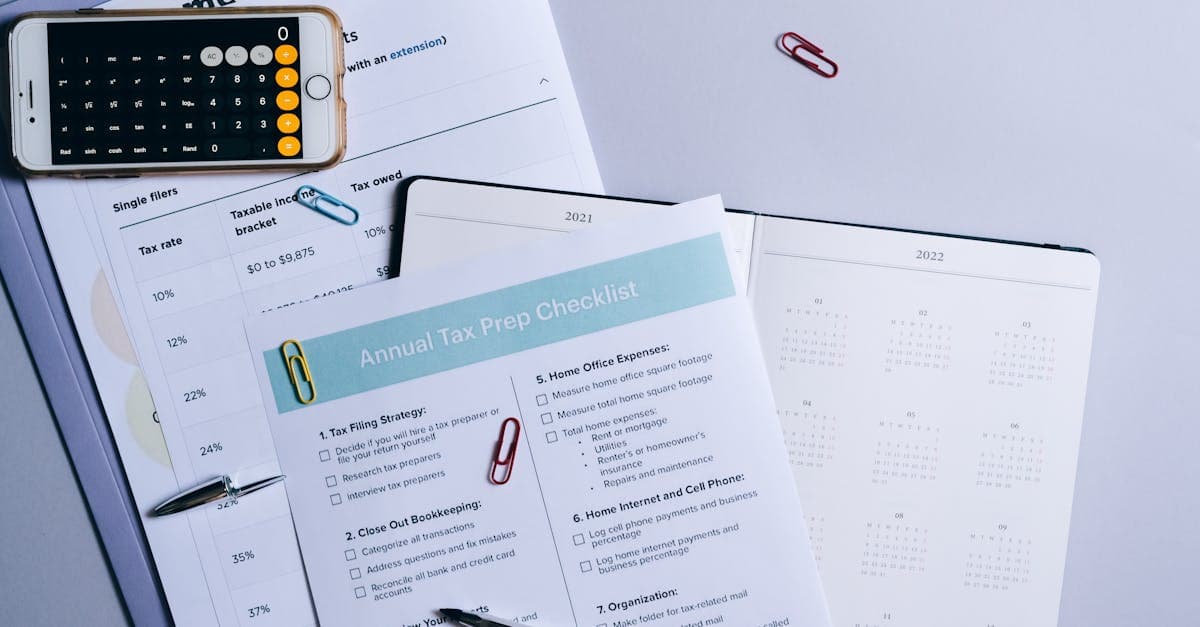
At minimum, review every insurance policy once a year. Annual checkups catch coverage gaps, identify savings opportunities, and ensure your protection matches your current life circumstances.
Assignment of Benefits Explained: How AOB Transfers Your Claim Rights
An AOB agreement signs over your right to collect insurance benefits to a contractor or vendor. Understanding this transfer is critical before you sign any document after property damage.