The First 24 Hours After a Florida Car Accident: What to Do


You are driving through an intersection in Tampa when another car runs a red light and slams into your passenger side. Your airbags deploy. Your neck hurts. The other driver is apologizing. And now you need to figure out what happens next in a state with insurance rules unlike most of the country.
Let's break this down further. The first thing to understand is that Florida is a no-fault state. This means your own PIP insurance pays your medical bills regardless of who caused the accident. The other driver's apology and their fault do not change whose insurance covers your initial medical care — yours does.
But you have a deadline. Florida's fourteen-day rule requires you to see a medical provider within fourteen days of the accident or forfeit your entire $10,000 PIP benefit. Even if your injuries seem minor today, symptoms can worsen, and missing this window eliminates your primary source of medical coverage.
Understanding the full post-accident process is adapting to the complex environment of Florida's no-fault insurance system. From the accident scene to final claim resolution, each step has rules, deadlines, and consequences specific to Florida. This guide provides the complete roadmap.
Property Damage Claims After a Florida Accident
Think of it this way. While PIP handles medical bills under the no-fault system, property damage in Florida follows traditional fault-based rules. The at-fault driver's property damage liability coverage pays for damage to the other driver's vehicle.
Florida's property damage liability requirement: Florida requires drivers to carry a minimum of $10,000 in property damage liability coverage. This coverage pays for damage the insured driver causes to other people's vehicles and property. The $10,000 minimum is extremely low given modern vehicle values and repair costs.
Filing against the at-fault driver: If the other driver caused the accident, you can file a property damage claim against their insurance. Their property damage liability coverage pays for your vehicle repairs up to their policy limit. You do not need to pay a deductible when filing against the at-fault driver's policy.
Using your own collision coverage: If you have collision coverage on your own policy, you can file the property damage claim through your own insurer instead. You pay your collision deductible, and your insurer handles the repair. Your insurer then pursues subrogation against the at-fault driver's insurer to recover the claim payment and potentially your deductible.
When the at-fault driver is uninsured: If the at-fault driver has no insurance, your own collision coverage is your primary option for vehicle repairs. Uninsured motorist property damage coverage, if you carry it, may also apply. Without either coverage, you must pursue the uninsured driver personally for reimbursement.
Total loss determinations: If your vehicle's repair costs exceed its actual cash value, the insurer declares a total loss. In Florida, the total loss threshold varies by insurer but is typically around 80 percent of the vehicle's value. You receive the vehicle's actual cash value minus any applicable deductible.
Seeking Medical Attention After a Florida Accident
Let's break this down further. Medical attention after a Florida car accident serves dual purposes: protecting your health and protecting your insurance claim. The documentation generated by medical treatment is the foundation of your PIP claim and any subsequent injury claim.
Emergency room visits: If you have any immediate symptoms — pain, dizziness, confusion, difficulty breathing — go to the emergency room. ER visits clearly satisfy the fourteen-day rule and create comprehensive documentation of your initial condition. ER records are given significant weight in insurance claims because they represent the earliest medical assessment.
Urgent care as an alternative: For less severe symptoms, an urgent care facility can provide a timely evaluation that satisfies the fourteen-day rule. Urgent care visits are typically less expensive than ER visits, preserving more of your PIP benefit for ongoing treatment.
Follow-up care: The initial medical visit activates your PIP benefits, but follow-up care is equally important. Consistent treatment records that show the progression of your injuries strengthen your claim. Gaps in treatment give insurers ammunition to argue that your injuries were not serious or were caused by something other than the accident.
Documenting symptoms accurately: Tell your healthcare provider about every symptom you are experiencing, no matter how minor it seems. Headaches, neck stiffness, back pain, numbness, tingling, anxiety, and sleep disturbances should all be reported. Symptoms not documented at early visits become harder to link to the accident later.
Specialist referrals: If your injuries require specialist care — orthopedic consultation, neurological evaluation, physical therapy — follow through on these referrals promptly. Delayed specialist treatment can be used by insurers to argue that the need was not urgent or that the injury improved without intervention.
The 14-Day Rule: Florida's Most Critical Deadline
Think of it this way. Florida's fourteen-day rule is the predatory claims adjusters and ticking deadlines that stalk accident victims in Florida. It is the single most important deadline after a Florida car accident, and missing it eliminates your primary source of medical coverage.
What the rule requires: Florida Statute 627.736 requires accident victims to seek initial medical treatment or services from certain qualified medical providers within fourteen days of the accident. If you fail to meet this deadline, your PIP insurer has no obligation to pay any medical benefits from the accident.
Qualifying medical providers: The fourteen-day rule requires treatment from specific providers to activate PIP benefits. Licensed physicians, osteopathic physicians, dentists, and hospitals qualify. Initial treatment from chiropractors or other providers may meet the requirement depending on the circumstances. Emergency room visits clearly satisfy the rule.
Why the deadline exists: Florida implemented the fourteen-day rule to combat insurance fraud. The legislature determined that genuine accident injuries would prompt medical attention within two weeks, and delayed treatment claims were more likely to be fraudulent or exaggerated. Whatever the legislative intent, the rule is strictly enforced.
How injuries develop after an accident: Many legitimate injuries do not produce symptoms immediately. Whiplash, soft tissue injuries, and even some fractures may not become apparent for days or weeks after the initial trauma. Adrenaline masks pain at the scene, and inflammation builds gradually. This biological reality makes the fourteen-day deadline especially dangerous for people who feel fine after the accident.
The practical advice: See a doctor within the fourteen-day window even if you think your injuries are minor. A medical evaluation creates the documented treatment record that activates your PIP benefits. If symptoms worsen later, you have an established medical record linking them to the accident. The cost of a precautionary doctor visit is trivial compared to losing $10,000 in PIP coverage.
Hit-and-Run Accidents in Florida
Let's break this down further. Florida has one of the highest hit-and-run rates in the nation, making this a common and frustrating scenario for accident victims. Understanding what to do and what coverage applies helps you recover when the at-fault driver flees.
Immediate steps: If the other driver flees, try to note their vehicle's make, model, color, and license plate number. Do not pursue the fleeing driver — this creates additional safety risks. Call 911 immediately to report the hit-and-run. Document all vehicle damage and scene details with photographs.
Police report is essential: A police report is critical for hit-and-run claims. The report establishes that the accident occurred, documents the evidence of the other vehicle's involvement, and initiates a potential investigation to identify the fleeing driver. Without a police report, your claim may face additional challenges.
Uninsured motorist coverage: If the hit-and-run driver is never identified, your uninsured motorist coverage is your primary source of recovery for injuries. Florida does not require UM coverage, but carriers must offer it, and drivers who carry it are protected against unidentified drivers. UM coverage pays for medical expenses and damages the same way the at-fault driver's insurance would have.
PIP still applies: Your PIP coverage pays your medical bills regardless of the hit-and-run situation. The fourteen-day rule still applies — see a doctor promptly. PIP does not require identification of the other driver because it operates under the no-fault principle.
Property damage recovery: For vehicle damage from a hit-and-run, your collision coverage is typically the primary option if the other driver is not identified. You pay your deductible and your insurer covers the repairs. If the hit-and-run driver is later identified, subrogation can recover your deductible.
Immediate Steps at the Accident Scene
Let's break this down further. The actions you take at the accident scene form the survival instinct that guides you through the wilderness of post-accident procedures. These steps protect your health, your legal rights, and your insurance claim from the very first moments after impact.
Check for injuries first: Before anything else, check yourself and your passengers for injuries. If anyone is hurt, call 911 immediately. Do not move seriously injured people unless they are in immediate danger from fire or traffic. Florida law requires drivers to render reasonable assistance to injured persons.
Call 911 and stay at the scene: Florida law requires you to stop and remain at the scene of any accident involving injury, death, or property damage. Leaving the scene is a criminal offense that can result in felony charges if injuries are involved. Call 911 to report the accident — this creates an official record and dispatches police if needed.
Move vehicles if safe to do so: Florida's Move It law requires drivers to move their vehicles out of traffic lanes if the accident involves only property damage and the vehicles are drivable. Failure to move creates additional hazards and potential liability for any secondary accidents.
Document the scene thoroughly: Take photographs of all vehicle damage, the accident location, road conditions, traffic signals, weather conditions, and any visible injuries. Capture wide shots showing the overall scene and close-ups of specific damage. This evidence is invaluable for your claim and may disappear quickly.
Exchange information with all parties: Florida law requires the exchange of names, addresses, vehicle registration numbers, and insurance information. Collect driver's license numbers, phone numbers, and the names of all passengers. Get contact information from any witnesses. Do not admit fault or discuss the details of the accident beyond what the police require.
Dealing with Insurance Adjusters After a Florida Accident
Think of it this way. Insurance adjusters will contact you soon after your Florida accident. Their approach may seem helpful, but their primary goal is to minimize the insurer's payout. Understanding their tactics helps you protect your claim value.
The initial contact: The adjuster's first call typically comes within days of the accident. They will express concern for your well-being, ask about your injuries, and begin gathering information about the accident. This call establishes the tone of the claims relationship and gives the adjuster their first opportunity to assess your claim.
Recorded statement requests: Adjusters frequently request recorded statements about the accident. You are generally required to cooperate with your own insurer under the terms of your policy, but the at-fault driver's insurer has no right to a recorded statement from you. Even when providing a required statement to your own insurer, be factual, concise, and do not speculate or minimize your injuries.
Early settlement offers: Adjusters may offer quick settlements, especially for minor accidents. These offers are typically well below the full value of the claim and are designed to close the file before the complete extent of your damages is known. Do not accept any settlement without understanding the full scope of your injuries and damages.
Medical records requests: Adjusters will request authorization to obtain your medical records. Be cautious about signing broad authorizations that give the insurer access to your entire medical history. They are entitled to records related to the accident, but pre-existing condition information can be used to minimize your claim.
Protecting your interests: Keep detailed records of all communication with adjusters. Do not volunteer information beyond what is asked. Do not discuss your injuries in detail until you have a complete medical picture. And if the claim involves significant injuries or disputed fault, consider consulting an attorney before providing extensive information to the adjuster.
Filing and Obtaining a Police Report After a Florida Accident
Let's break this down further. The Florida Traffic Crash Report is a critical document in your accident claim. Understanding when a police report is required and how to obtain it strengthens your position with insurers and in any legal proceedings.
When a police report is required: Florida law requires a police investigation and report when an accident results in injury, death, or property damage that appears to exceed $500. In practice, most accidents involving more than superficial damage should be reported to police. Even if the damage seems minor, a police report creates an official record that protects your interests.
What the report contains: The Florida Traffic Crash Report includes identifying information for all drivers and vehicles, a diagram of the accident scene, the officer's narrative of what happened, witness statements, weather and road conditions, any traffic citations issued, and the officer's determination of contributing causes.
Obtaining the report: Florida crash reports are available through the Florida Department of Highway Safety and Motor Vehicles or through the local law enforcement agency that investigated the accident. Reports are typically available within 10 days of the accident. You can request them online, in person, or through your insurer.
Self-reported accidents: If police do not respond to the scene, Florida law requires drivers to file a self-report within 10 days for accidents involving injury, death, or property damage exceeding $500. The self-report form is available through the FLHSMV and should be completed accurately.
Using the report in your claim: The police report is not the final word on fault — insurers conduct their own investigations. However, the report carries significant weight, particularly when it includes traffic citations or clear determinations of law violations. If the report contains errors, you can request corrections through the investigating agency.
The Strategic Approach to Florida Accident Recovery
Successful recovery after a Florida accident requires strategic thinking, not just reactive steps. Every decision — from when to see a doctor to whether to accept a settlement — should be made with full understanding of its consequences.
The strategic approach starts with immediate action: medical attention, documentation, and police reporting within the first hours. It continues with careful management of the claims process: cooperating with your insurer while protecting your interests, preserving evidence, and meeting every deadline.
For serious injuries, the strategy includes evaluating whether your injuries meet the bodily injury threshold, consulting an attorney if appropriate, and pursuing the full value of your claim rather than accepting the first offer. For minor accidents, the strategy may be simpler — file the claim, repair the vehicle, and move on.
The common thread in all successful Florida accident recoveries is preparation and timely action. The drivers who fare best are those who understood the system before they needed it.
Continue reading

Beyond the Premium: What Really Matters When Comparing Insurance Quotes
The cheapest quote is not always the best deal. Understanding what drives real value in an insurance policy helps you compare quotes on the factors that matter most when you actually need to file a claim.
The Annual Policy Checkup: Why Once a Year Is the Minimum
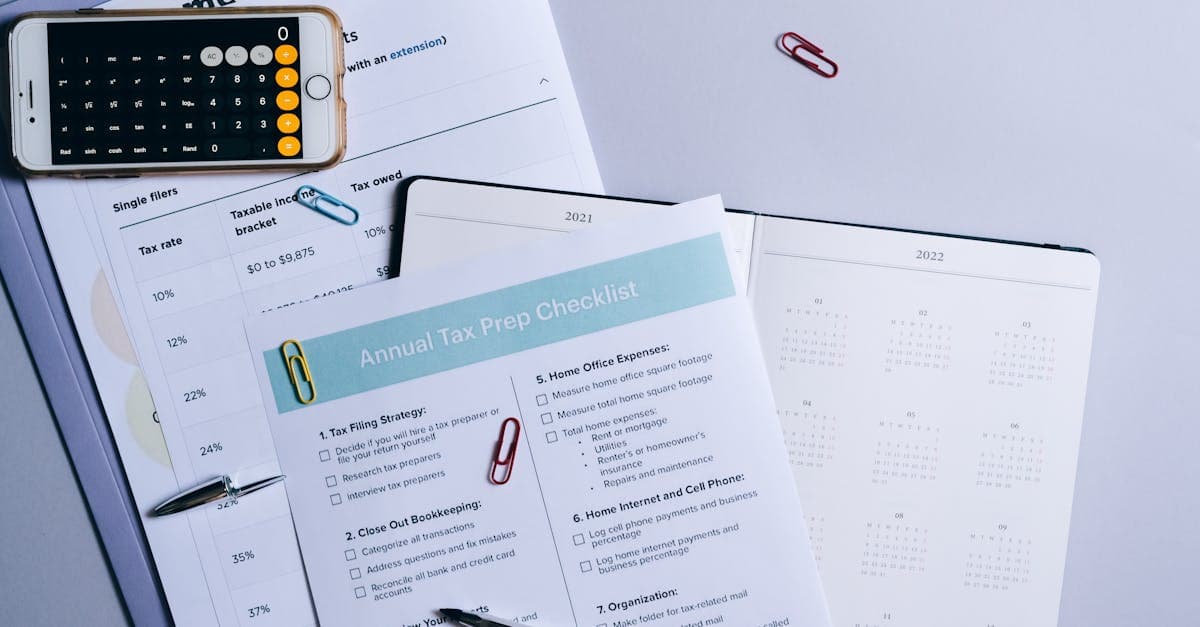
At minimum, review every insurance policy once a year. Annual checkups catch coverage gaps, identify savings opportunities, and ensure your protection matches your current life circumstances.
Assignment of Benefits Explained: How AOB Transfers Your Claim Rights
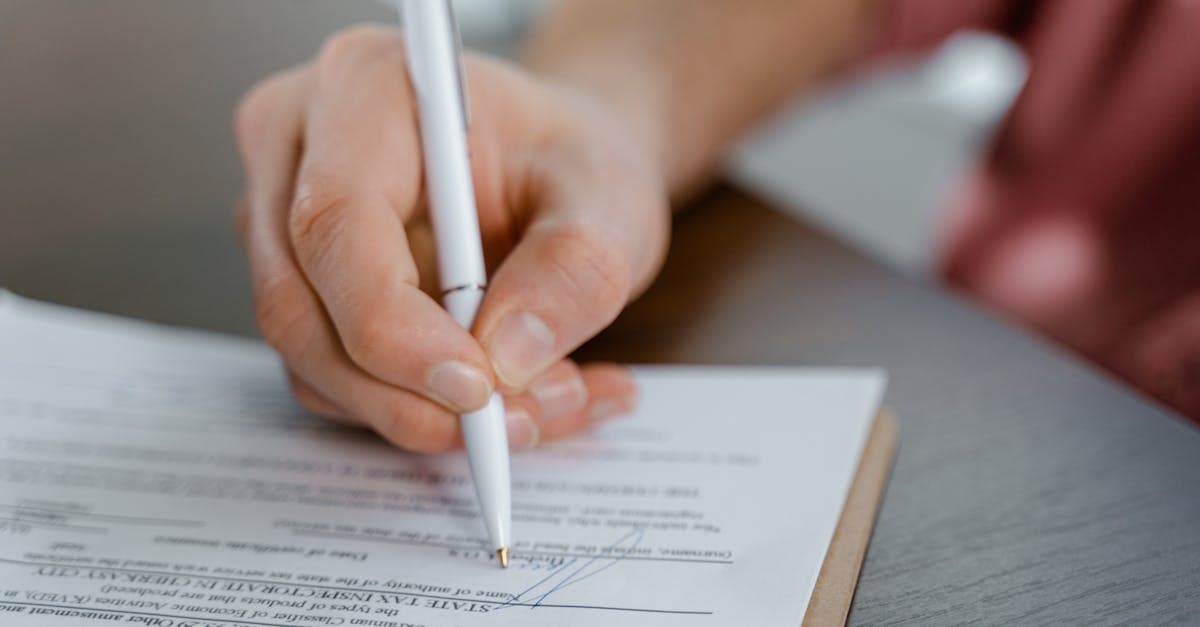
An AOB agreement signs over your right to collect insurance benefits to a contractor or vendor. Understanding this transfer is critical before you sign any document after property damage.