How Roadside Assistance Through Your Insurance Works

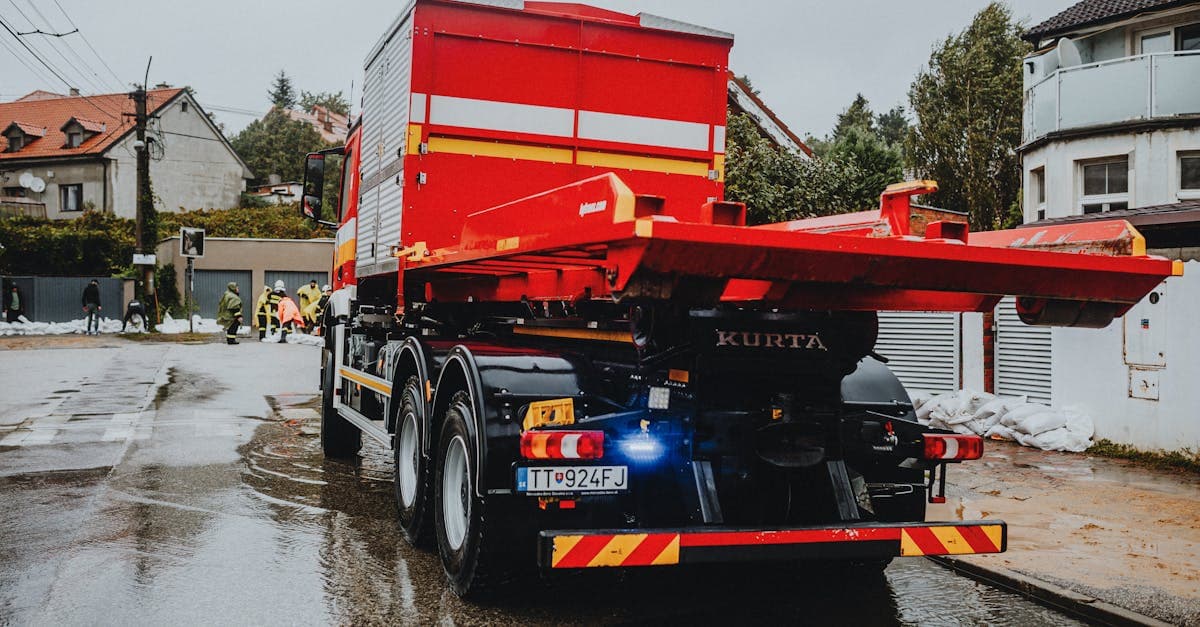
It is eleven at night on a Tuesday. You are driving home on a two-lane road when your engine temperature spikes, a warning light illuminates, and steam starts rising from under the hood. You pull over immediately, but the nearest town is twenty miles away and you have no cell service for the next quarter mile.
Let's break this down further. You walk until you find a signal and call your insurance company's roadside assistance number. The dispatcher logs your GPS location, confirms your coverage, and dispatches a tow truck from the nearest contracted provider. Forty-five minutes later, a flatbed arrives, loads your vehicle, and transports you and your car to a repair facility in the next town.
Total cost to you: zero dollars. The tow would have cost two hundred seventy-five dollars at retail rates. The service was covered under the roadside assistance on your auto policy, which you pay twelve dollars per year to maintain.
This is cultivating the safety of knowing help will arrive when your vehicle gives out. Roadside assistance converts unpredictable, expensive breakdown situations into covered, manageable events. The annual premium is less than the cost of a single tow, and the peace of mind is continuous — every mile of every drive, you know help is available if your vehicle fails.
Lockout Assistance: Getting Back into Your Vehicle
Think of it this way. Locking your keys inside your vehicle is frustrating but common. Roadside assistance provides professional lockout service that gets you back into your car without damage and without the expense of calling a locksmith at retail rates.
How lockout service works: When you call for lockout assistance, the dispatcher sends a technician trained in vehicle entry techniques. The technician uses professional tools — slim jims, air wedges, long-reach tools — to unlock your vehicle without damaging the door, window, or lock mechanism.
Modern vehicle challenges: Newer vehicles with electronic locks, double-locking systems, and reinforced door frames can be more difficult to unlock. Some require specialized equipment or dealer-level tools. Roadside technicians are generally equipped to handle most modern vehicles, but extremely new or rare models may require towing to a dealer.
Key in trunk situations: If your keys are locked in the trunk, the technician typically gains entry through the passenger compartment and uses the interior trunk release. If the vehicle does not have an interior trunk release, additional steps may be required.
Children or pets locked inside: If a child or pet is locked in a vehicle, call 911 first. Emergency services can break a window if necessary. Roadside assistance is not an emergency service and may take thirty minutes or more to arrive — too long when a child or pet is at risk in a hot vehicle.
Cost comparison: A locksmith called directly typically charges seventy-five to one hundred fifty dollars for a vehicle lockout. Insurance roadside assistance covers this service at no additional cost beyond your annual premium. A single lockout service pays for multiple years of roadside coverage.
Roadside Assistance for Older Vehicles
Let's break this down further. As vehicles age, the probability of needing roadside assistance increases significantly. Understanding how roadside coverage becomes more valuable over time helps older vehicle owners make smart coverage decisions.
Breakdown frequency by age: Vehicles under five years old experience relatively few breakdowns. Between five and ten years, breakdown frequency increases moderately as batteries age, tires wear, and maintenance-sensitive components approach the end of their service life. Beyond ten years, breakdown frequency increases substantially as accumulated wear takes its toll on belts, hoses, starters, alternators, and other components.
Battery failures: Car batteries typically last three to five years. Vehicles in the five-to-ten-year range are likely on their second or third battery, and battery failure becomes more common as the electrical system ages. Battery jump service is the most frequent roadside call, and older vehicles generate a disproportionate share of these requests.
Tire issues: Older vehicles may have aged tires with reduced grip and increased puncture vulnerability. Spare tires in older vehicles may also be aged and potentially unsafe. Roadside tire service becomes more likely as tire condition deteriorates.
Cooling system problems: Older vehicles experience more cooling system failures — radiator leaks, hose failures, thermostat malfunctions — that can cause overheating and roadside breakdowns requiring towing.
Cost-effectiveness peak: Roadside assistance provides its greatest value for vehicles in the seven-to-fifteen-year age range. These vehicles are old enough to experience regular breakdowns but young enough to justify repair rather than replacement. The ten to thirty dollar annual premium delivers exceptional value during this high-breakdown window.
How Mobile Apps Are Improving Roadside Assistance
Think of it this way. Technology has transformed the roadside assistance experience from a phone call to an app-based service with real-time tracking, automated dispatch, and digital payment. Understanding these improvements helps you take full advantage of modern roadside coverage.
App-based service requests: Most major insurers now offer mobile apps that allow you to request roadside assistance with a few taps. The app automatically captures your GPS location, eliminating the need to describe where you are to a dispatcher. Some apps even allow you to select the type of service needed — tow, tire, battery, lockout, or fuel — from a menu.
Real-time tracking: After your request is submitted, the app shows your service provider's location on a map and provides an estimated arrival time that updates in real time. This eliminates the uncertainty of wondering when help will arrive and reduces the anxiety of roadside waiting.
Digital communication: Some apps allow you to communicate with the dispatcher or service provider through text messages, reducing the need for phone calls in noisy or unsafe environments. You can provide additional information about your situation or receive updates without verbal communication.
Service history and documentation: Apps maintain a history of your roadside service requests, making it easy to track usage against your plan limits. Digital records also simplify any reimbursement processes and provide documentation if disputes arise.
Future developments: Connected vehicle technology may eventually enable automatic breakdown detection and service dispatch. Vehicles that detect a flat tire, dead battery, or overheating may be able to request roadside assistance automatically, reducing response times and ensuring help is dispatched even if the driver is unable to make a call.
The Cost and Value of Roadside Assistance
Think of it this way. Understanding the financial value of roadside assistance requires comparing the annual premium to the cost of individual services at retail rates. The comparison consistently demonstrates that roadside assistance is cultivating the safety of knowing help will arrive when your vehicle gives out.
Annual premium range: Insurance-based roadside assistance typically costs ten to thirty dollars per year depending on your insurer and coverage level. Some insurers offer basic plans around ten dollars and premium plans with higher limits around twenty-five to thirty dollars.
Retail service costs: A standard tow averages one hundred fifty to three hundred dollars. A locksmith for a car lockout charges seventy-five to one hundred fifty dollars. A mobile battery jump costs fifty to one hundred dollars. Fuel delivery with a service call fee runs fifty to one hundred dollars. Even a basic tire change by a mobile service costs fifty to one hundred dollars.
Break-even analysis: A single tow pays for five to thirty years of roadside premiums. A single lockout pays for three to fifteen years. Any combination of two services in a year provides value that exceeds a decade or more of premiums.
Compared to standalone plans: AAA membership starts around sixty to seventy dollars per year for basic coverage and increases to one hundred fifty or more for premium plans. Insurance-based roadside at ten to thirty dollars per year is significantly cheaper, though AAA may offer additional benefits like travel discounts.
The value of certainty: Beyond the dollar savings, roadside assistance provides the certainty of knowing help is available, the price is covered, and the provider is vetted. This certainty has real value that the raw cost comparison does not fully capture.
Towing Coverage Under Roadside Assistance
Let's break this down further. Towing is the most expensive roadside service and the one that provides the greatest financial benefit. Understanding how towing coverage works under your roadside plan is essential because the park ranger that rescues you when your vehicle breaks down deep in the wilderness of everyday driving depends on knowing the limits.
Distance limits: Most insurance-based roadside plans cover towing to the nearest qualified repair facility, with a distance limit ranging from fifteen to one hundred miles depending on your plan level. Standard plans typically cover twenty-five to fifty miles, while premium plans may extend to one hundred miles or more.
Cost comparison: A tow without coverage costs roughly three to five dollars per mile plus a base hook-up fee of fifty to one hundred dollars. A thirty-mile tow at retail rates costs roughly one hundred forty to two hundred fifty dollars. Your roadside premium of ten to thirty dollars per year is a fraction of a single tow.
Flatbed vs wheel-lift towing: Modern vehicles, especially those with all-wheel drive, often require flatbed towing. Most roadside plans cover flatbed towing when the vehicle requires it, though some basic plans may limit this service. Verify that your plan covers the towing method your vehicle needs.
Choosing the destination: Standard roadside towing goes to the nearest qualified repair facility. Some plans allow you to choose a preferred mechanic within the covered distance. If your preferred shop is beyond the covered distance, you may need to pay the difference for additional mileage.
After-hours towing: Towing rates increase at night, on weekends, and on holidays. Roadside assistance covers these premium-rate periods at no additional cost to you, making the coverage especially valuable during off-hours breakdowns when retail tow rates are highest.
When Roadside Assistance Is Worth Adding
Think of it this way. While roadside assistance is valuable for most drivers, certain situations make it especially worth adding to your policy. Recognizing these situations helps you make an informed coverage decision.
Older vehicles: Vehicles over seven years old experience significantly more breakdowns than newer models. Aging batteries, worn belts, deteriorating hoses, and accumulated wear increase the likelihood of needing roadside service. The ten to thirty dollar annual premium is a bargain for drivers of older vehicles.
Long commuters: Drivers who cover more miles face proportionally higher breakdown risk. A daily commuter driving fifteen thousand miles per year has roughly three times the exposure of a driver covering five thousand miles. More miles mean more chances for flat tires, dead batteries, and mechanical failures.
Drivers who lack mechanical skills: If you cannot change a tire, jump a battery, or diagnose basic vehicle problems, roadside assistance is especially valuable. The service provides professional help for situations you cannot handle independently.
Parents of teen drivers: New drivers are more likely to experience lockouts, run out of fuel, and face unfamiliar breakdown situations. Roadside assistance gives parents peace of mind that their teen has professional help available.
Drivers without a support network: If you live alone, do not have nearby family or friends who can help during a breakdown, and cannot rely on coworkers or neighbors, roadside assistance serves as your support network for vehicle emergencies.
Drivers in extreme climates: Extreme heat accelerates battery failure and increases overheating risk. Extreme cold causes battery failures and frozen fuel lines. Drivers in harsh climates face higher breakdown rates and benefit disproportionately from roadside coverage.
The Safety Benefits of Roadside Assistance
Let's break this down further. Beyond financial savings, roadside assistance provides safety benefits that protect you during one of driving's most vulnerable moments — a vehicle breakdown. These safety benefits add significant value that cost comparisons alone do not capture.
Reducing roadside exposure: Every minute you spend on the shoulder of a highway increases your risk of being struck by passing traffic. The National Highway Traffic Safety Administration reports hundreds of fatalities annually involving pedestrians on highway shoulders, many of whom were attending to disabled vehicles. Roadside assistance reduces your exposure time by providing professional help quickly.
Professional equipment and training: Roadside technicians arrive with proper equipment — jacks, jack stands, reflective gear, professional tools — and are trained to work safely in roadside conditions. DIY tire changes with factory equipment on a busy highway shoulder are significantly more dangerous.
Night and adverse weather safety: Breakdowns at night or in bad weather create amplified safety risks. Reduced visibility makes you harder for passing drivers to see. Extreme temperatures create health risks while you wait. Roadside assistance dispatches help that reduces the time you spend exposed to these hazards.
Personal security: Being stranded alone, especially at night or in unfamiliar areas, creates personal security concerns. Roadside assistance provides a known, trackable service response that reduces vulnerability. The dispatcher knows your location, and the responding technician is a vetted professional.
Preventing secondary accidents: Improperly positioned vehicles, inadequate warning markers, and drivers distracted by their breakdown can cause secondary accidents. Professional roadside responders position equipment and markers to reduce these risks, protecting both you and passing motorists.
The Strategic Case for Roadside Assistance
Roadside assistance is a low-cost, high-utility coverage that addresses a certainty: every vehicle will eventually break down. The strategic approach is simple — carry the coverage, know your limits, and use it without hesitation when needed.
The cost is negligible in the context of your overall auto insurance premium. The protection is practical and immediately useful when needed. And the peace of mind is continuous, providing value on every drive even when you never make a service call.
For drivers of older vehicles, long commuters, parents of teen drivers, and anyone who values convenience during a stressful breakdown, roadside assistance delivers exceptional value per premium dollar.
Continue reading

Beyond the Premium: What Really Matters When Comparing Insurance Quotes
The cheapest quote is not always the best deal. Understanding what drives real value in an insurance policy helps you compare quotes on the factors that matter most when you actually need to file a claim.
The Annual Policy Checkup: Why Once a Year Is the Minimum
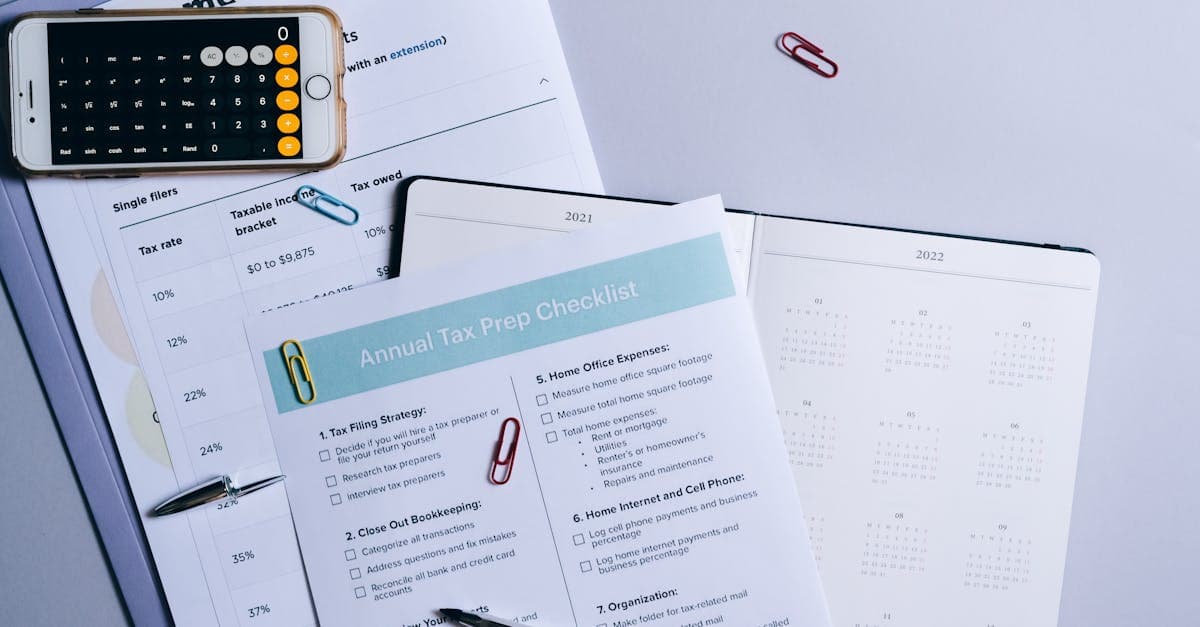
At minimum, review every insurance policy once a year. Annual checkups catch coverage gaps, identify savings opportunities, and ensure your protection matches your current life circumstances.

Assignment of Benefits Explained: How AOB Transfers Your Claim Rights
An AOB agreement signs over your right to collect insurance benefits to a contractor or vendor. Understanding this transfer is critical before you sign any document after property damage.