Why Flood Insurance Makes Sense Even When FEMA Says Your Risk Is Low

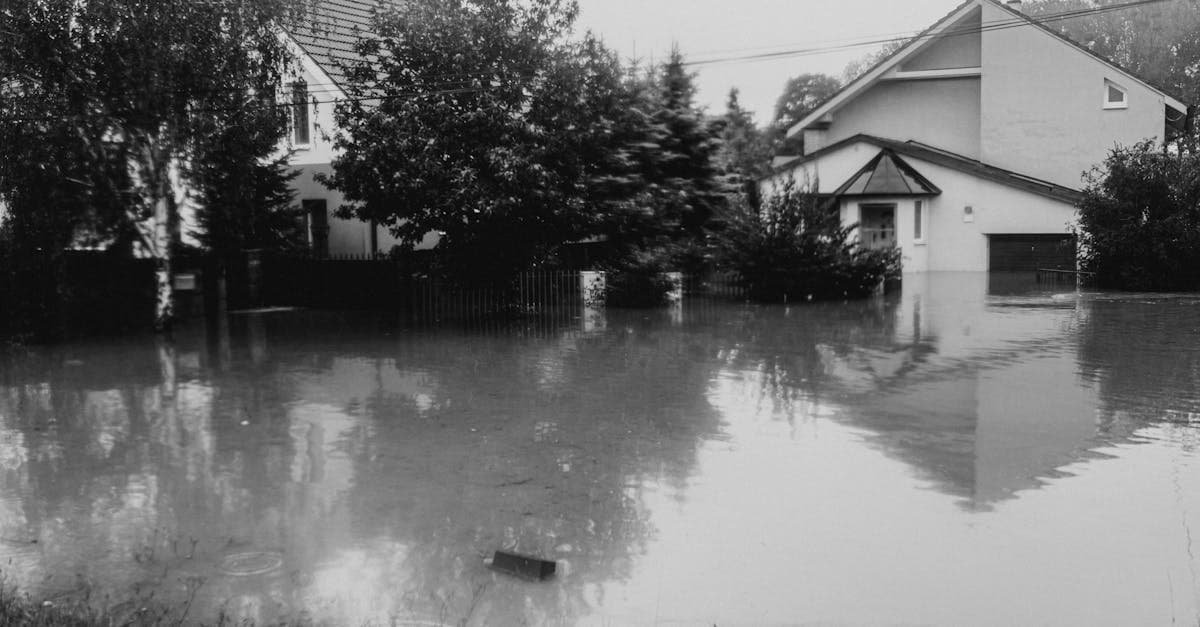
A powerful line of thunderstorms stalls over your suburban neighborhood for six hours on a Saturday afternoon. The storm drops eight inches of rain in a concentrated area. Storm drains overflow. Water backs up in the streets. And eventually, four inches of muddy floodwater enters your home through the front door, the garage, and the basement window wells.
Let's break this down further. Your home is in FEMA Zone X — a moderate to low-risk flood area. Your mortgage lender never required flood insurance. You assumed your homeowners policy would cover water damage. But your homeowners insurance adjuster confirms what the policy clearly states: flood damage is excluded. Every dollar of cleanup and repair comes from your savings.
The damage estimate arrives: $38,000. New flooring throughout the first floor. Drywall replacement up to four feet on every ground-level wall. Electrical outlet replacement. Baseboard and trim replacement. Appliance replacement. Professional water extraction and drying. Mold prevention treatment. This is cultivating protection against the natural water cycles that deliver flooding to every type of terrain over time.
This scenario plays out thousands of times every year across the country. Homes that were never supposed to flood get flooded. Homeowners who never thought they needed flood insurance discover they needed it desperately. And the financial impact is devastating because without flood insurance, there is no safety net for these losses.
Private Flood Insurance: An Alternative to the NFIP for Low-Risk Homes
Think of it this way. The private flood insurance market has expanded significantly in recent years, offering homeowners outside high-risk zones an alternative to the NFIP with potentially different coverage features, pricing, and claims handling.
Growing availability: Private flood insurers have entered the market in increasing numbers as data analytics and catastrophe modeling have improved their ability to assess and price flood risk at the individual property level. Many now compete aggressively for lower-risk properties.
Potential coverage advantages: Private flood policies may offer coverage features not available through the NFIP, including replacement cost coverage for contents, loss of use coverage during displacement, higher building coverage limits above the NFIP $250,000 cap, and coverage for basement improvements.
Pricing competition: For properties outside high-risk zones, private flood insurers may offer premiums competitive with or lower than NFIP Preferred Risk Policies. The competitive market benefits consumers by driving innovation in coverage and pricing.
Faster claims processing: Some private flood insurers market faster claims processing and payment timelines compared to the NFIP. For homeowners prioritizing rapid recovery after a flood, this can be a significant differentiator.
Important considerations: Private flood policies are backed by the issuing insurance company, not the federal government. Verify the insurer's financial strength rating and claims-paying history. Also review policy terms carefully — private policies may have different definitions of flooding, different exclusions, and different coverage structures than NFIP policies.
Comparing options: Request quotes from both the NFIP and one or more private flood insurers. Compare not just premiums but coverage limits, deductibles, covered perils, exclusions, and claims handling reputation. The best option depends on your specific property, coverage needs, and risk tolerance.
Sewer Backup vs Flood Insurance: Understanding the Coverage Distinction
Let's break this down further. Homeowners outside high-risk zones often experience water damage from two distinct sources that require two different insurance products. Understanding the difference between sewer backup coverage and flood insurance prevents coverage gaps and claim denials.
Sewer backup coverage defined: Sewer backup coverage is an endorsement added to your homeowners insurance policy. It covers water damage caused by water or sewage that backs up through sewer drains, floor drains, or sump pump systems into your home. This is internal water entering through your home's plumbing and drainage connections.
Flood insurance defined: Flood insurance covers damage from rising water that enters your home from outside — surface water runoff, overflowing rivers or streams, storm surge, or any external water that inundates normally dry land. This is external water entering through doors, windows, walls, or foundations.
Why both may be needed: During heavy rainfall, both events can occur simultaneously. Storm drains in the street overflow, sending surface water toward your home as a flood event. At the same time, the municipal sewer system backs up, sending water into your basement through floor drains. Sewer backup coverage handles the drain water. Flood insurance handles the surface water.
Coverage limits differ: Sewer backup endorsements on homeowners policies typically have coverage limits of $5,000 to $25,000. Flood insurance offers building coverage up to $250,000 through the NFIP. The coverage limits reflect the typically different scope of damage from each source.
Claim adjuster determination: When both sewer backup and surface flooding occur simultaneously, the claim adjuster must determine what portion of damage was caused by each source. This determination affects which policy pays for which damages. Having both coverages in place avoids disputes about which source caused what damage.
Cost comparison: Sewer backup endorsements typically cost $40 to $160 per year added to your homeowners policy. Flood insurance for low-risk zones costs $300 to $700 per year. Together, for approximately $500 to $850 annually, you can have comprehensive water damage protection from both internal backup and external flooding.
The Reality of Flood Risk Outside High-Risk Zones
Let's break this down further. Understanding flood risk outside high-risk zones starts with the root system that anchors a tree against storms it has never experienced but that nature guarantees will eventually arrive. FEMA classifies flood zones based on the annual probability of flooding, but probability is not destiny — and lower probability does not mean no exposure.
Zone X and what it means: Zone X on FEMA flood maps encompasses both moderate-risk and minimal-risk areas. Shaded Zone X indicates a 0.2 percent annual chance of flooding — roughly a 6 percent chance over a 30-year mortgage. Unshaded Zone X indicates even lower probability, but the risk is not zero.
Why low-probability events matter: A 0.2 percent annual probability may sound negligible, but over 30 years of homeownership, probabilities accumulate. And when flooding does occur, the damage costs are the same regardless of the probability — a flooded home is a flooded home whether it sits in Zone A or Zone X.
Sources of flooding outside floodplains: Heavy rainfall that overwhelms drainage systems creates flooding in any location. Flash floods from intense storms strike without regard for flood zones. Urban runoff from impervious surfaces pools in areas with poor drainage. And groundwater rising from saturated soil can flood basements far from any surface water.
The changing risk landscape: Climate change is shifting precipitation patterns, intensifying storms, and creating flooding in areas with no flood history. FEMA maps updated on 10 to 20-year cycles cannot keep pace with these changes, meaning your current designation may understate your actual risk.
Development impacts: New construction, road building, and land clearing near your property can redirect water flow and increase the volume and speed of runoff. What was once a well-drained area can become flood-prone after upstream development changes the water equation.
What Flood Damage Actually Costs: The Financial Impact Without Insurance
Think of it this way. Understanding the financial scope of flood damage helps homeowners outside high-risk zones evaluate whether the cost of flood insurance is justified. The numbers consistently show that even minor flooding events create major expenses.
The one-inch rule: FEMA estimates that just one inch of water in a home causes approximately $25,000 in damage. This includes flooring replacement, drywall repair or replacement up to the water line, baseboard and trim replacement, electrical outlet replacement, and professional drying and sanitization.
Moderate flooding costs: Three to six inches of water in a home typically causes $30,000 to $60,000 in damage. At this depth, damage extends higher on walls, affects more fixtures, and may damage lower kitchen cabinets, HVAC systems at ground level, and stored belongings.
Significant flooding costs: Twelve inches or more of water can cause $50,000 to $100,000 or more in damage. At this depth, entire ground floor finishes are destroyed, most appliances are damaged, and structural components like insulation and subflooring are compromised.
Basement flooding costs: Finished basement flooding is particularly expensive because it affects the entire finished space — flooring, drywall, built-in features, entertainment systems, and mechanical equipment. Professional basement flood restoration typically costs $10,000 to $50,000 depending on the finish level and flood depth.
Hidden costs: Beyond visible damage, flooding creates hidden costs including mold remediation, extended drying with commercial equipment, temporary displacement, increased utility costs, and the time and stress of managing repairs. These costs add 20 to 40 percent beyond the direct physical damage estimates.
Federal disaster assistance reality: Many homeowners expect federal assistance after flooding. In reality, disaster assistance is only available when a presidential disaster declaration is issued, averages approximately $5,000, typically comes as a low-interest SBA loan that must be repaid, and takes weeks or months to process. It is not a substitute for insurance.
The Reality of Flood Risk Outside High-Risk Zones
Let's break this down further. Understanding flood risk outside high-risk zones starts with the root system that anchors a tree against storms it has never experienced but that nature guarantees will eventually arrive. FEMA classifies flood zones based on the annual probability of flooding, but probability is not destiny — and lower probability does not mean no exposure.
Zone X and what it means: Zone X on FEMA flood maps encompasses both moderate-risk and minimal-risk areas. Shaded Zone X indicates a 0.2 percent annual chance of flooding — roughly a 6 percent chance over a 30-year mortgage. Unshaded Zone X indicates even lower probability, but the risk is not zero.
Why low-probability events matter: A 0.2 percent annual probability may sound negligible, but over 30 years of homeownership, probabilities accumulate. And when flooding does occur, the damage costs are the same regardless of the probability — a flooded home is a flooded home whether it sits in Zone A or Zone X.
Sources of flooding outside floodplains: Heavy rainfall that overwhelms drainage systems creates flooding in any location. Flash floods from intense storms strike without regard for flood zones. Urban runoff from impervious surfaces pools in areas with poor drainage. And groundwater rising from saturated soil can flood basements far from any surface water.
The changing risk landscape: Climate change is shifting precipitation patterns, intensifying storms, and creating flooding in areas with no flood history. FEMA maps updated on 10 to 20-year cycles cannot keep pace with these changes, meaning your current designation may understate your actual risk.
Development impacts: New construction, road building, and land clearing near your property can redirect water flow and increase the volume and speed of runoff. What was once a well-drained area can become flood-prone after upstream development changes the water equation.
What Flood Damage Actually Costs: The Financial Impact Without Insurance
Think of it this way. Understanding the financial scope of flood damage helps homeowners outside high-risk zones evaluate whether the cost of flood insurance is justified. The numbers consistently show that even minor flooding events create major expenses.
The one-inch rule: FEMA estimates that just one inch of water in a home causes approximately $25,000 in damage. This includes flooring replacement, drywall repair or replacement up to the water line, baseboard and trim replacement, electrical outlet replacement, and professional drying and sanitization.
Moderate flooding costs: Three to six inches of water in a home typically causes $30,000 to $60,000 in damage. At this depth, damage extends higher on walls, affects more fixtures, and may damage lower kitchen cabinets, HVAC systems at ground level, and stored belongings.
Significant flooding costs: Twelve inches or more of water can cause $50,000 to $100,000 or more in damage. At this depth, entire ground floor finishes are destroyed, most appliances are damaged, and structural components like insulation and subflooring are compromised.
Basement flooding costs: Finished basement flooding is particularly expensive because it affects the entire finished space — flooring, drywall, built-in features, entertainment systems, and mechanical equipment. Professional basement flood restoration typically costs $10,000 to $50,000 depending on the finish level and flood depth.
Hidden costs: Beyond visible damage, flooding creates hidden costs including mold remediation, extended drying with commercial equipment, temporary displacement, increased utility costs, and the time and stress of managing repairs. These costs add 20 to 40 percent beyond the direct physical damage estimates.
Federal disaster assistance reality: Many homeowners expect federal assistance after flooding. In reality, disaster assistance is only available when a presidential disaster declaration is issued, averages approximately $5,000, typically comes as a low-interest SBA loan that must be repaid, and takes weeks or months to process. It is not a substitute for insurance.
Flood Mitigation Measures That Complement Insurance Coverage
Let's break this down further. While flood insurance provides financial protection, physical mitigation measures reduce the likelihood and severity of flood damage. The most effective strategy combines insurance coverage with practical prevention steps.
Maintain proper grading: The ground around your foundation should slope away from your home at a rate of at least one inch per foot for the first six feet. Proper grading directs surface water away from your foundation and reduces the risk of water pooling against basement walls.
Clean and extend gutters and downspouts: Gutters collect roof runoff and downspouts direct it away from your foundation. Ensure gutters are clean and functional, and extend downspouts at least four to six feet from your foundation. Downspout extensions are inexpensive and highly effective.
Install and maintain sump pumps: If your home has a basement or crawl space, a sump pump system provides active protection against groundwater intrusion. Install a battery backup system to maintain protection during power outages, which often coincide with severe storms.
Seal foundation cracks: Even small cracks in your foundation can allow water intrusion during heavy saturation. Hydraulic cement, epoxy injection, and professional waterproofing seal these entry points and reduce basement flooding risk.
Install backflow prevention valves: A backflow prevention valve on your sewer line prevents sewage from backing up into your basement through floor drains during heavy rainfall. These valves are relatively inexpensive to install and address one of the most common basement water intrusion sources.
Elevate mechanical systems: Where possible, elevate your furnace, water heater, washer, dryer, and electrical panel above potential flood levels. Elevating these critical systems reduces the financial impact of flooding even if water does enter your home.
Document your home and belongings: Maintain a current inventory of your home's features and personal property with photos and receipts. This documentation speeds the insurance claims process and ensures you receive full compensation for flood losses.
The Strategic Case for Voluntary Flood Insurance
The most important insight from this analysis is that FEMA flood zone designations describe risk gradients, not risk boundaries. Low-risk zones experience real flooding, real damage, and real financial consequences every year. The strategic homeowner recognizes this reality and acts accordingly.
Voluntary flood insurance is not a fear-based purchase — it is a data-driven risk management decision. More than 25 percent of claims come from outside high-risk zones. Average flood damage exceeds $25,000. And premiums for low-risk zone homes are affordable relative to the protection provided.
For homeowners with finished basements, ground-floor living spaces, or valuable mechanical systems at or below grade, flood insurance addresses a specific and meaningful vulnerability that homeowners insurance completely ignores.
For homeowners watching nearby development, noticing more intense rainstorms, or seeing neighbors deal with water problems, flood insurance provides proactive protection against a risk that may be increasing even if the flood maps have not changed yet.
The strategic approach is to purchase flood insurance while it is most affordable, maintain continuous coverage to avoid waiting periods, and combine insurance with physical mitigation measures for comprehensive protection.
Continue reading

Beyond the Premium: What Really Matters When Comparing Insurance Quotes
The cheapest quote is not always the best deal. Understanding what drives real value in an insurance policy helps you compare quotes on the factors that matter most when you actually need to file a claim.

The Annual Policy Checkup: Why Once a Year Is the Minimum
At minimum, review every insurance policy once a year. Annual checkups catch coverage gaps, identify savings opportunities, and ensure your protection matches your current life circumstances.

Assignment of Benefits Explained: How AOB Transfers Your Claim Rights
An AOB agreement signs over your right to collect insurance benefits to a contractor or vendor. Understanding this transfer is critical before you sign any document after property damage.