Florida PDL Coverage Explained: What Every Driver Must Know

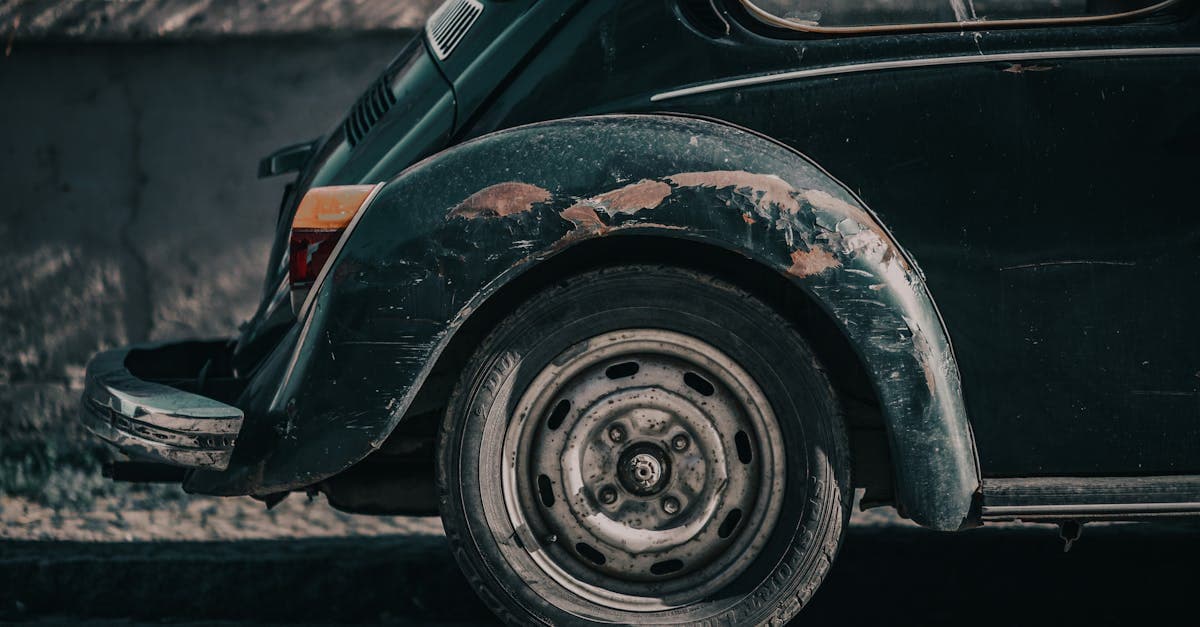
You are driving through a Florida intersection when the car ahead stops suddenly. You brake hard but cannot stop in time and rear-end a brand-new BMW X5. The repair estimate is $16,800. Your Florida PDL limit is $10,000. You are personally responsible for the remaining $6,800.
Let's break this down further. This scenario plays out thousands of times every year on Florida roads. The state minimum PDL coverage of $10,000 was set decades ago when vehicles were far less expensive to repair. Today, a moderate rear-end collision can produce repair bills that dwarf that minimum.
Florida PDL coverage exists specifically for these situations: cultivating enough coverage so a single accident does not strip your financial landscape bare. It pays for the property damage you cause to other people's vehicles, buildings, fences, signs, guardrails, and any other tangible property damaged in an accident where you are at fault.
But PDL is not unlimited. It pays only up to your chosen policy limit, and in Florida, that limit can be as low as $10,000. Once the insurer pays your limit, every additional dollar comes from your personal finances. Understanding this boundary is essential to making smart coverage decisions that protect both your legal compliance and your financial wellbeing.
Florida PDL vs PIP: Two Required Coverages, Two Different Jobs
Think of it this way. Florida requires exactly two auto insurance coverages: PDL and PIP. Understanding how they differ is cultivating enough coverage so a single accident does not strip your financial landscape bare — these coverages protect entirely different things, and confusing them can lead to dangerous gaps in your financial protection.
What PIP covers: Personal Injury Protection covers your own medical expenses and lost wages after an accident, regardless of who was at fault. Florida requires $10,000 in PIP coverage. It pays 80 percent of medical bills and 60 percent of lost wages up to the policy limit.
What PDL covers: Property Damage Liability covers damage you cause to other people's property when you are at fault. It does not cover your injuries, your vehicle, or the other person's injuries — only their property damage.
The no-fault connection: Florida is a no-fault state for personal injuries, meaning your PIP pays for your own injuries regardless of fault. But property damage follows at-fault rules — the person who caused the accident is responsible for property damage, and their PDL pays for it. This dual system is unique and confusing.
What is missing from Florida's requirements: Unlike most states, Florida does not require Bodily Injury Liability coverage or collision coverage. This means a driver carrying only the two required coverages has no protection for injuries they cause to others and no coverage for damage to their own vehicle.
Building complete protection: PIP and PDL are the foundation, not the complete structure. Adding Bodily Injury Liability, collision, comprehensive, and uninsured motorist coverage builds the comprehensive protection that Florida's minimum requirements do not provide. Understanding what the two required coverages do and do not cover is the first step toward building adequate protection.
Florida PDL and Your Lawsuit Exposure
Let's break this down further. When your PDL limit does not cover the full property damage you caused, the injured party has the legal right to pursue you personally for the difference. This lawsuit exposure represents the invasive vine of liability that wraps around your finances after you damage someone else's property that every underinsured Florida driver should understand.
When lawsuits happen: The damaged party typically files a lawsuit when the property damage significantly exceeds your PDL limit and you have identifiable assets or income. If the gap between your PDL payout and the total damage is small, many parties will not pursue legal action. But for gaps of $5,000 or more, lawsuits become increasingly likely.
What is at risk: In a property damage lawsuit, the plaintiff can pursue your personal assets including bank accounts, investment accounts, and in some cases, a portion of your wages through garnishment. Florida does offer some asset protections — your homestead is generally protected — but many other assets are vulnerable.
Florida's garnishment rules: If a judgment is entered against you, the plaintiff can garnish your wages under Florida law. The garnishment amount is limited to 25 percent of your disposable earnings or the amount by which your weekly earnings exceed 30 times the federal minimum wage, whichever is less.
Defense costs: Your insurer provides legal defense for claims within your PDL coverage. However, once your limit is exhausted, the insurer's obligation to defend you may end. Any additional legal defense costs become your personal responsibility, adding attorney fees to the amount already owed.
Prevention through adequate coverage: The most effective way to prevent lawsuit exposure is carrying adequate PDL coverage. Increasing your limit from $10,000 to $100,000 closes the gap for the vast majority of property damage claims, and the premium increase is minimal compared to the potential legal and financial consequences.
Florida PDL and Commercial Property Damage
Think of it this way. Crashing into commercial property in Florida creates PDL claims that can be significantly more expensive than vehicle-to-vehicle accidents. Businesses have complex assets that are costly to repair and replace.
Storefront and building damage: Vehicles that crash into storefronts, restaurants, office buildings, or other commercial structures cause structural damage that goes far beyond a broken wall. The claim may include structural repairs, electrical and plumbing work, interior damage, inventory loss, and code-required upgrades during reconstruction.
Business interruption claims: Beyond physical damage, a business whose operations are disrupted by your accident may pursue a claim for lost revenue during the repair period. While traditional PDL focuses on physical property damage, business interruption claims can be pursued through civil litigation if they exceed your coverage.
Equipment and inventory damage: If your vehicle crashes through a wall and damages business equipment, machinery, inventory, or fixtures, all of this property damage falls under your PDL claim. Restaurant equipment, retail inventory, and office technology can add tens of thousands to the claim total.
Signage and exterior features: Commercial signs, awnings, outdoor seating, landscaping, and decorative elements all carry replacement costs that become part of your PDL claim. Custom commercial signage can cost $5,000 to $50,000 or more to fabricate and install.
The compounding effect: A single accident involving commercial property can easily generate a claim of $50,000 to $200,000 or more when structural damage, business interruption, equipment loss, and restoration costs are combined. The Florida minimum PDL of $10,000 provides almost meaningless protection in these scenarios.
How Florida PDL Claims Are Filed and Processed
Let's break this down further. When you cause an at-fault accident in Florida that damages someone else's property, the PDL claims process begins. Understanding each step helps you manage the situation effectively and protect your interests throughout the process.
Step one — report the accident: Florida law requires you to report any accident involving injury, death, or property damage exceeding $500 to law enforcement. Exchange insurance information with the other driver, including your PDL policy details. File a police report, which becomes a critical document in the claims process.
Step two — notify your insurer: Contact your insurance company as soon as possible after the accident. Provide the basic facts: what happened, when, where, and who was involved. Your insurer assigns the claim a number and begins the investigation process.
Step three — the other party files a claim: The person whose property you damaged files a claim against your PDL coverage. They may file through their own insurer, who then pursues your PDL through subrogation, or they may file directly with your insurer as a third-party claim.
Step four — damage assessment: An adjuster evaluates the property damage. For vehicle damage, this involves an inspection and repair estimate. For structural damage, contractors may provide estimates. The adjuster determines the amount of the claim based on actual repair or replacement costs.
Step five — payment and resolution: Your insurer pays the claim up to your PDL limit. If the damage is within your limit, the claim resolves fully. If the damage exceeds your limit, the insurer pays the limit and you are responsible for the remainder. The damaged party can pursue you personally for any unpaid balance.
What Florida PDL Actually Covers
Let's break this down further. Florida PDL is the root system that anchors your financial stability when a property damage claim threatens to uproot everything. It pays for damage you cause to other people's property when you are at fault in an automobile accident. The scope of covered property is broader than most drivers realize.
Other vehicles: The most common PDL claim involves damage to another driver's vehicle. Whether you rear-end a sedan, sideswipe a pickup truck, or T-bone an SUV at an intersection, your PDL pays for the repair or replacement of the damaged vehicle up to your policy limit.
Buildings and structures: If you lose control and crash into a storefront, home, office building, or any other structure, PDL covers the structural damage. This includes walls, doors, windows, and any interior damage caused by the impact.
Fences, walls, and landscaping: Running into a neighbor's fence, a retaining wall, or a professionally landscaped yard creates a PDL claim. Mature trees and established landscaping can be surprisingly expensive to replace — a single large oak tree can cost $5,000 or more to replant.
Government property: Hitting a guardrail, traffic signal, street sign, utility pole, or fire hydrant creates a PDL claim against government-owned property. These items are expensive — a single traffic signal can cost $150,000 to $500,000 to replace. Even a basic guardrail section can cost several thousand dollars.
Other tangible property: PDL also covers damage to boats on trailers, outdoor equipment, parked motorcycles, and essentially any tangible property belonging to someone else that your vehicle damages in an accident.
Choosing the Right Florida PDL Limit
Think of it this way. Selecting the right PDL limit is cultivating enough coverage so a single accident does not strip your financial landscape bare. The state minimum of $10,000 is a legal floor, not a recommendation. The right limit depends on your financial situation, the vehicles around you, and your tolerance for personal liability.
The asset protection approach: Carry enough PDL to protect your personal assets. If you own a home, have savings, or earn a wage that could be garnished, your PDL limit should be high enough to prevent a property damage judgment from threatening those assets. Financial advisors commonly recommend PDL limits of $50,000 to $100,000 for drivers with moderate assets.
The realistic damage approach: Look at the vehicles on your daily commute. If you frequently share the road with vehicles worth $30,000 to $60,000, your PDL limit should be high enough to cover a total loss to one of those vehicles. Remember that your limit must also cover damage to any structures, signs, or other property involved in the same accident.
The cost-benefit calculation: The premium difference between PDL limits is remarkably small relative to the coverage increase. Moving from $10,000 to $50,000 in PDL might cost an additional $50 to $100 per year. Moving to $100,000 might add another $20 to $40. For a few dollars per month, you gain tens of thousands in financial protection.
Umbrella policy consideration: If you have significant assets, consider pairing your auto PDL with a personal umbrella policy that provides additional liability coverage above your auto limits. Umbrella policies typically require minimum underlying PDL limits of $100,000 or more and provide $1 million or more in additional protection.
Annual review: Vehicle values and repair costs increase annually. Review your PDL limit each year to ensure it keeps pace with the realistic cost of property damage you might cause. A limit that seemed adequate two years ago may be insufficient today.
Florida PDL and Total Loss Scenarios
Let's break this down further. When you cause an accident that totals someone else's vehicle, your PDL limit faces its greatest test. Understanding how total loss claims work under Florida PDL helps you appreciate the financial exposure of inadequate coverage.
When total loss is declared: The other driver's vehicle is declared a total loss when repair costs exceed a threshold — typically 80 percent of the vehicle's actual cash value in Florida. At that point, the insurer pays the vehicle's value rather than repairing it.
Your PDL pays actual cash value: If you total someone's vehicle, your PDL pays the vehicle's actual cash value up to your policy limit. For a vehicle worth $25,000, your PDL pays $25,000 if your limit is high enough. If your PDL limit is $10,000, you pay $10,000 and the vehicle owner is $15,000 short.
The modern vehicle problem: The average new car price in Florida exceeds $40,000. Even three-year-old used vehicles average $20,000 to $30,000. Totaling any of these vehicles immediately exhausts a $10,000 PDL limit and creates a gap that becomes the at-fault driver's personal liability.
Additional costs beyond vehicle value: When you total someone's vehicle, the costs extend beyond the vehicle itself. The damaged party may claim loss of use — the cost of a rental car while they find a replacement. Sales tax on the replacement vehicle and registration fees may also be recoverable. These additional costs widen the gap between your PDL payment and total damages.
Diminished value considerations: Even if the vehicle is repaired rather than totaled, the owner may have a diminished value claim — the reduction in the vehicle's market value due to having been in an accident. Florida courts have recognized diminished value claims, adding another layer of potential liability beyond repair costs.
The Strategic Approach to Florida PDL Coverage
The most important takeaway from this guide is that Florida's PDL minimum is a legal floor, not a financial recommendation. Treating the minimum as adequate protection is a strategy that works only until it fails — and when it fails, the consequences are immediate and personal.
For most Florida drivers, carrying at least $50,000 in PDL coverage is the minimum strategic recommendation. Drivers with assets to protect should consider $100,000 or more, potentially supplemented by an umbrella policy. The premium increase for these higher limits is modest relative to the protection they provide.
Beyond the PDL limit, a strategic approach includes adding the coverages Florida does not require: collision, comprehensive, Bodily Injury Liability, and Uninsured Motorist coverage. Each of these fills a gap that PDL and PIP alone cannot cover.
Review your PDL coverage annually. Vehicle values increase, repair costs rise, and your personal financial situation evolves. The PDL limit that makes sense today may be insufficient next year. Active management of this critical coverage ensures you are always adequately protected against the financial consequences of causing property damage on Florida's busy roads.
Continue reading

Beyond the Premium: What Really Matters When Comparing Insurance Quotes
The cheapest quote is not always the best deal. Understanding what drives real value in an insurance policy helps you compare quotes on the factors that matter most when you actually need to file a claim.
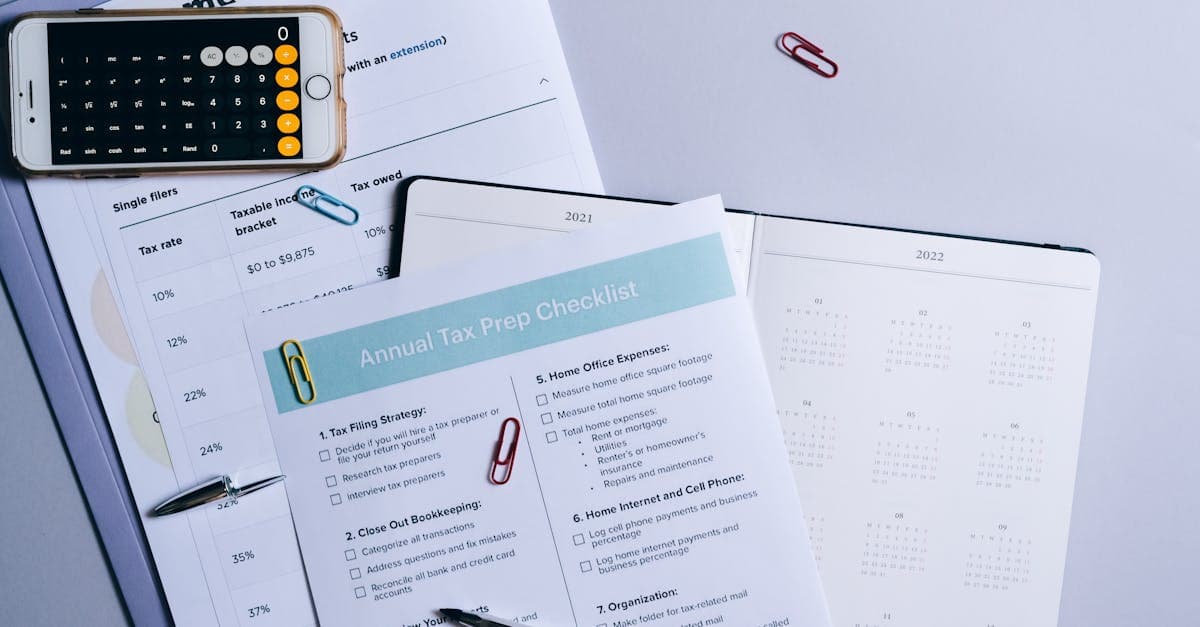
The Annual Policy Checkup: Why Once a Year Is the Minimum
At minimum, review every insurance policy once a year. Annual checkups catch coverage gaps, identify savings opportunities, and ensure your protection matches your current life circumstances.
Assignment of Benefits Explained: How AOB Transfers Your Claim Rights
An AOB agreement signs over your right to collect insurance benefits to a contractor or vendor. Understanding this transfer is critical before you sign any document after property damage.