Renters Flood Insurance: The Coverage Most Tenants Never Know They Need

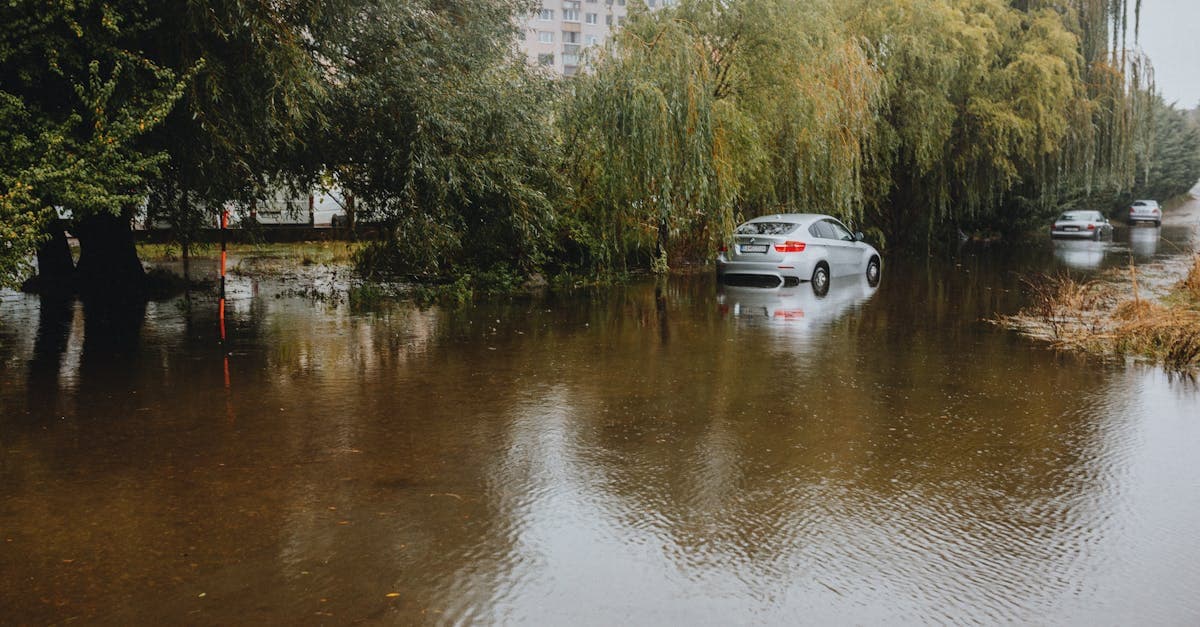
A line of severe thunderstorms stalls over your city for four hours on a Wednesday evening. Storm drains overflow. Water rises in the streets. And then it starts seeping under your apartment door, spreading across the living room floor, soaking into the carpet, reaching the couch, the entertainment center, and the bedroom furniture.
Let's break this down further. You call your renters insurance company the next morning. The adjuster's response is brief and devastating: flood damage is excluded from your renters policy. The water that entered from outside through your door and walls is classified as flooding, and your policy does not cover it. The $18,000 in damaged belongings is entirely your responsibility.
This scenario is not rare — it happens to thousands of renters every year across the country. And the solution costs less than most renters spend on coffee each month. This is cultivating flood protection that grows alongside a renter's belongings and stands firm when unexpected water events arrive.
A contents-only flood insurance policy through the NFIP or a private insurer would have covered those belongings. The claim would have been filed, the adjuster would have assessed the damage, and the insurance would have paid to replace what the floodwater destroyed. Instead, a renter without flood coverage faces months of sleeping on air mattresses and sitting on folding chairs while rebuilding from scratch.
The NFIP Contents-Only Policy: A Renter's Guide
Think of it this way. The National Flood Insurance Program offers contents-only flood policies that are specifically designed for renters and other non-building-owners. Understanding how these policies work helps renters make informed purchasing decisions.
Eligibility: Any renter in a community that participates in the NFIP can purchase a contents-only flood policy. Most communities in the United States participate. Your rental property does not need to be in a high-risk flood zone — contents-only policies are available in all FEMA flood zones.
Coverage amounts: NFIP contents-only policies offer coverage up to $100,000 for personal property. You select your coverage amount based on the total replacement value of your belongings. Common coverage selections range from $10,000 to $50,000, depending on the renter's possessions.
Premium calculation: Premiums for contents-only policies depend on the flood zone, the coverage amount, and the deductible selected. Under Risk Rating 2.0, individual property characteristics also factor into pricing. Premiums for low-risk zones start as low as $50 to $100 per year for basic coverage amounts.
Valuation method: NFIP contents coverage pays on an actual cash value basis. This means depreciation is deducted from the replacement cost when calculating claim payments. A laptop purchased three years ago for $1,200 might be valued at $600 after depreciation.
The 30-day waiting period: New NFIP policies have a standard 30-day waiting period before coverage takes effect. Renters should purchase well before flood season or anticipated weather events. The waiting period cannot be waived except in limited circumstances like new lease agreements with mortgage-related requirements.
How to purchase: NFIP contents-only policies are sold through the Write Your Own program by participating private insurance companies. Contact your renters insurance agent or any NFIP-participating insurer to request a quote. The application process is straightforward and can typically be completed in a single phone call.
Special Situations: Flood Insurance for Different Types of Renters
Let's break this down further. Not all renters face the same flood insurance considerations. Different rental situations create different needs, and understanding your specific situation helps you select the right coverage.
Apartment renters: Apartment renters in multi-unit buildings can purchase individual contents-only flood policies. Your coverage protects your personal belongings in your specific unit. The building owner's insurance covers the structure. Floor level affects your risk — ground-floor and below-grade units face the highest exposure.
Single-family home renters: Renters of single-family homes face the same flood risk as homeowners but are only responsible for insuring their personal property. A contents-only policy provides the necessary protection. Be aware that the entire ground floor is exposed to flooding, potentially affecting a larger volume of belongings than an apartment unit.
Room renters and house-share tenants: If you rent a room in someone else's home, your belongings are not covered by the homeowner's flood insurance. You need your own contents-only policy to protect your personal property. Coverage applies to your belongings regardless of where in the home they are located when damaged.
Condo renters: Renters in condominiums face a layered insurance situation. The condo association may carry building flood insurance. The unit owner may carry unit-specific flood coverage. But neither policy covers a renter's personal property. Condo renters need their own contents-only flood policy.
Mobile and manufactured home renters: Renters of mobile or manufactured homes face elevated flood risk due to typically lower elevation and lighter construction. Contents-only flood policies are available for mobile home tenants and provide essential protection for personal property in these vulnerable structures.
Short-term and seasonal renters: Even temporary renters can purchase contents-only flood policies. If you rent a seasonal property during hurricane or flood season, a short-term flood policy protects your belongings during the lease period. The 30-day NFIP waiting period requires advance planning for short-term rentals.
Contents-Only Flood Policies: How They Work for Renters
Let's break this down further. Understanding contents-only flood policies starts with the deep root system that anchors a renter's financial health against the rising waters that surface without warning in any neighborhood. These policies are specifically designed for tenants and others who need to insure personal property without covering the building structure.
What contents-only covers: A contents-only flood policy covers personal belongings damaged by flooding. This includes furniture, electronics, clothing, appliances, kitchen items, bedding, curtains, and other personal property. It does not cover the building structure, walls, floors, or built-in fixtures — those are the landlord's responsibility.
NFIP contents coverage limits: The NFIP offers contents-only coverage up to $100,000. Renters select their desired coverage amount based on the total value of their personal property. You do not need to insure for the full $100,000 — choose an amount that reflects what you actually own.
How claims are valued: Standard NFIP contents coverage pays actual cash value, which accounts for depreciation. A five-year-old television is not paid at its original purchase price but at its depreciated value. Some private flood insurers offer replacement cost coverage that pays the full cost to buy a comparable new item.
Deductible options: Contents-only policies include a deductible — the amount you pay out of pocket before insurance kicks in. NFIP deductibles for contents range from $1,000 to $10,000. A higher deductible reduces your annual premium but increases your cost when filing a claim.
What triggers coverage: Flood insurance responds when rising water from an external source enters your rental unit and damages personal property. This includes overflow from rivers and streams, storm surge, surface water runoff, and mudflow. The water must come from outside your home — internal water events like burst pipes are covered by renters insurance, not flood insurance.
Understanding FEMA Flood Zones as a Renter
Think of it this way. FEMA flood zones affect your flood risk and insurance costs regardless of whether you own or rent. Understanding these designations helps renters evaluate their exposure and make informed coverage decisions.
High-risk zones (Zone A and Zone V): These zones have a 1 percent or greater annual chance of flooding. Zone A covers inland high-risk areas. Zone V covers coastal areas subject to storm surge and wave action. Renters in these zones face the highest flood exposure and benefit most from contents-only flood coverage.
Moderate-risk zones (Shaded Zone X, Zone B): These zones have a 0.2 percent annual chance of flooding. The risk is lower but still meaningful over the course of a multi-year lease. Premiums for contents-only policies in these zones are very affordable, making voluntary purchase a practical decision.
Low-risk zones (Unshaded Zone X, Zone C): These zones have minimal flood risk based on FEMA mapping. However, FEMA data shows that more than 25 percent of flood claims come from outside high-risk zones. Low-risk designation does not mean zero risk, especially given changing climate and development patterns.
How your zone affects your premium: Your FEMA flood zone is one factor in determining your contents-only premium. Under Risk Rating 2.0, individual property characteristics matter more than zone designation alone. Two rental properties in the same zone may have different premiums based on elevation, proximity to water, and other factors.
Finding your rental property's flood zone: Check your property's flood zone using FEMA's Flood Map Service Center at msc.fema.gov. Enter your rental address to view the current flood zone designation. This information helps you understand your risk level and estimate potential premium costs.
Zone changes and reclassification: FEMA periodically updates flood maps, and your rental property's zone designation can change. Reclassification from a low-risk to a high-risk zone increases both your exposure and your insurance costs. Purchasing coverage before any reclassification locks in lower premiums.
Contents-Only Flood Policies: How They Work for Renters
Let's break this down further. Understanding contents-only flood policies starts with the deep root system that anchors a renter's financial health against the rising waters that surface without warning in any neighborhood. These policies are specifically designed for tenants and others who need to insure personal property without covering the building structure.
What contents-only covers: A contents-only flood policy covers personal belongings damaged by flooding. This includes furniture, electronics, clothing, appliances, kitchen items, bedding, curtains, and other personal property. It does not cover the building structure, walls, floors, or built-in fixtures — those are the landlord's responsibility.
NFIP contents coverage limits: The NFIP offers contents-only coverage up to $100,000. Renters select their desired coverage amount based on the total value of their personal property. You do not need to insure for the full $100,000 — choose an amount that reflects what you actually own.
How claims are valued: Standard NFIP contents coverage pays actual cash value, which accounts for depreciation. A five-year-old television is not paid at its original purchase price but at its depreciated value. Some private flood insurers offer replacement cost coverage that pays the full cost to buy a comparable new item.
Deductible options: Contents-only policies include a deductible — the amount you pay out of pocket before insurance kicks in. NFIP deductibles for contents range from $1,000 to $10,000. A higher deductible reduces your annual premium but increases your cost when filing a claim.
What triggers coverage: Flood insurance responds when rising water from an external source enters your rental unit and damages personal property. This includes overflow from rivers and streams, storm surge, surface water runoff, and mudflow. The water must come from outside your home — internal water events like burst pipes are covered by renters insurance, not flood insurance.
Understanding FEMA Flood Zones as a Renter
Think of it this way. FEMA flood zones affect your flood risk and insurance costs regardless of whether you own or rent. Understanding these designations helps renters evaluate their exposure and make informed coverage decisions.
High-risk zones (Zone A and Zone V): These zones have a 1 percent or greater annual chance of flooding. Zone A covers inland high-risk areas. Zone V covers coastal areas subject to storm surge and wave action. Renters in these zones face the highest flood exposure and benefit most from contents-only flood coverage.
Moderate-risk zones (Shaded Zone X, Zone B): These zones have a 0.2 percent annual chance of flooding. The risk is lower but still meaningful over the course of a multi-year lease. Premiums for contents-only policies in these zones are very affordable, making voluntary purchase a practical decision.
Low-risk zones (Unshaded Zone X, Zone C): These zones have minimal flood risk based on FEMA mapping. However, FEMA data shows that more than 25 percent of flood claims come from outside high-risk zones. Low-risk designation does not mean zero risk, especially given changing climate and development patterns.
How your zone affects your premium: Your FEMA flood zone is one factor in determining your contents-only premium. Under Risk Rating 2.0, individual property characteristics matter more than zone designation alone. Two rental properties in the same zone may have different premiums based on elevation, proximity to water, and other factors.
Finding your rental property's flood zone: Check your property's flood zone using FEMA's Flood Map Service Center at msc.fema.gov. Enter your rental address to view the current flood zone designation. This information helps you understand your risk level and estimate potential premium costs.
Zone changes and reclassification: FEMA periodically updates flood maps, and your rental property's zone designation can change. Reclassification from a low-risk to a high-risk zone increases both your exposure and your insurance costs. Purchasing coverage before any reclassification locks in lower premiums.
Flood Insurance When Relocating to a New Rental
Let's break this down further. Renters relocate more frequently than homeowners, and each move creates new flood insurance considerations. Understanding how to manage flood coverage during transitions ensures continuous protection.
Research flood risk before choosing a rental: Before signing a lease in a new area, check the FEMA flood zone for any prospective rental property. Compare flood zones between potential rentals. A property in a lower-risk zone costs less to insure and reduces your overall flood exposure.
Ask the right questions: Before renting, ask the landlord or property manager whether the property has ever flooded, whether the building has flood insurance, what flood mitigation systems are in place, and whether the lease requires tenant flood insurance. These answers inform your coverage decisions.
Transferring your policy: If you have an existing flood insurance policy and move to a new rental, contact your insurer about transferring coverage. Policy transfer rules vary between NFIP and private insurers. A seamless transfer avoids triggering a new waiting period and maintains continuous coverage.
New area, new risk assessment: Each rental location has different flood characteristics. A property that was in Zone X at your previous rental may be in Zone A at your new one. Updated your coverage amount and review your premium for the new location's risk profile.
Timing your purchase: If you are moving to a new rental and need new flood coverage, account for the 30-day NFIP waiting period. Purchase coverage at least 30 days before your move-in date to ensure the policy is active when you take possession of the new rental.
Cancellation of existing coverage: If you are leaving a rental and will not need flood coverage at your new location, you can cancel your flood policy. If you may need coverage again in the future, consider whether maintaining the policy avoids future waiting period complications. NFIP policies can be cancelled with a prorated premium refund.
The Strategic Case for Renters Flood Insurance
The most important takeaway is simple: renters can and should consider flood insurance as part of their personal risk management strategy. Standard renters insurance leaves a critical gap that only a separate flood policy fills.
Contents-only flood insurance is not a luxury — it is an affordable tool that protects your entire ground-level belongings against a peril your renters policy explicitly excludes. The cost is modest. The protection is substantial. And the alternative — absorbing five-figure replacement costs out of pocket — is a risk most renters cannot afford to take.
For ground-floor and basement renters, the case is especially compelling. Your exposure is highest and your premium is the price of genuine protection against a real and measurable threat to your personal property.
For renters in any flood zone, the strategic approach is to purchase coverage proactively, maintain it continuously, and combine it with basic prevention measures. This three-part strategy — insure, maintain, prevent — provides the most complete flood protection available to any tenant.
Continue reading

Beyond the Premium: What Really Matters When Comparing Insurance Quotes
The cheapest quote is not always the best deal. Understanding what drives real value in an insurance policy helps you compare quotes on the factors that matter most when you actually need to file a claim.
The Annual Policy Checkup: Why Once a Year Is the Minimum
At minimum, review every insurance policy once a year. Annual checkups catch coverage gaps, identify savings opportunities, and ensure your protection matches your current life circumstances.

Assignment of Benefits Explained: How AOB Transfers Your Claim Rights
An AOB agreement signs over your right to collect insurance benefits to a contractor or vendor. Understanding this transfer is critical before you sign any document after property damage.