The Ultimate Homeowners Insurance Renewal Checklist


A homeowner in Colorado renewed their policy every year for six years without reviewing it. During that time, they completed a basement finish worth $45,000, built a detached workshop, and adopted two large dogs. None of these changes were reported to the insurer. When a hailstorm damaged the roof and the finished basement flooded from ice dam backup, the claims process revealed three separate coverage gaps — an underinsured dwelling, no water backup endorsement, and a dog breed exclusion that eliminated liability coverage for the pets.
Let's break this down further. This scenario is preventable. A pre-renewal review is tending your coverage garden at renewal by pruning unnecessary expenses, fertilizing essential protections, and ensuring every branch of coverage grows strong enough to shelter your household. Five minutes of comparison between the current declarations page and the homeowner's actual circumstances would have revealed every one of these gaps.
The basement finish should have triggered a Coverage A increase. The workshop should have prompted a Coverage B review. The dogs should have prompted a liability coverage verification. Each of these issues could have been resolved with a phone call to the agent — months or years before the claim forced a painful reckoning.
Your renewal is your annual opportunity to align your policy with reality. This guide ensures you use that opportunity effectively.
Analyzing Your Premium Changes at Renewal
Think of it this way. A premium change at renewal deserves investigation, not acceptance. Understanding what changed and why helps you determine whether the new premium represents fair pricing for adequate coverage.
Premium increase categories: Your premium can increase for three distinct reasons — you requested more coverage, your insurer raised rates, or your risk profile changed. Each reason has different implications. More coverage for more money is appropriate if the additional protection is needed. Higher rates for the same coverage may justify shopping. A risk profile change from claims history or credit score may require different action.
Line-by-line comparison: Compare your renewal declarations page to last year's version. Note every change in coverage limits, deductibles, endorsement lists, and premium amounts. If coverage limits increased with the premium, the increase may be justified. If coverage is unchanged but premium rose, the increase is purely rate-driven.
Market context: Insurance premiums reflect broader market conditions including catastrophe losses, reinsurance costs, and regulatory changes. In years following major hurricane or wildfire seasons, premium increases may be market-wide rather than specific to your risk profile. Understanding market conditions helps you set realistic expectations.
Discount verification: Check that all applicable discounts appear on your renewal documents. Bundling discounts, claims-free discounts, protective device credits, and loyalty discounts should all be itemized. If a discount disappeared, ask why and whether it can be restored.
Shopping threshold: If your premium increased by more than ten percent without a corresponding coverage increase, get competitive quotes from at least three other insurers. Even if you do not switch, having competitive quotes gives you leverage to negotiate with your current insurer.
Total cost perspective: Evaluate your premium in context. A $200 annual increase may be justified if it reflects a necessary Coverage A increase that closes a $50,000 underinsurance gap. Do not fixate on premium savings that come at the cost of inadequate coverage.
Shopping for Competitive Alternatives at Renewal
Let's break this down further. Renewal is the natural time to shop for homeowners insurance, and getting competitive quotes gives you either a better deal or confirmation that your current coverage is fairly priced.
When to shop: Shop every two to three years at minimum, and any time your renewal premium increases by more than ten percent without a corresponding coverage increase. Also shop if your service experience has been poor, if your carrier received unfavorable financial ratings, or if your coverage needs have changed significantly.
How to shop effectively: Request quotes from at least three insurers — ideally a mix of national carriers, regional companies, and independent agents who represent multiple carriers. Provide the same coverage specifications to each: identical dwelling limit, deductibles, endorsements, and liability levels.
Avoiding apples-to-oranges comparisons: A lower premium means nothing if the coverage is different. Verify that each quote matches your current coverage limits, includes the same endorsements, uses the same valuation method, and carries the same deductible structure. Only then can you compare premiums meaningfully.
Considering total value: Premium is only one component of value. Also consider the insurer's financial strength rating from AM Best, customer satisfaction scores from J.D. Power, claim settlement reputation, and the quality of agent service. A slightly higher premium from a carrier with excellent claims service may be worth more than savings from a carrier with poor reviews.
Using quotes as leverage: Even if you prefer to stay with your current insurer, competitive quotes give you negotiating leverage. Present your lower quotes to your agent and ask whether your current carrier can match or improve the terms. Many carriers have retention departments authorized to offer discounts to prevent policy shopping.
Timing your switch: If you decide to switch, time the new policy to begin on your current policy's expiration date for seamless transition. Notify your current insurer of cancellation and ensure there is no gap in coverage during the switch.
Auditing Your Endorsements Before Renewal
Let's break this down further. Your endorsement list defines the additional coverages that supplement your base policy. Auditing these endorsements before renewal is tending your coverage garden at renewal by pruning unnecessary expenses, fertilizing essential protections, and ensuring every branch of coverage grows strong enough to shelter your household. Missing a critical endorsement can leave you exposed to losses that a small additional premium would have covered.
Water backup coverage: This is the most commonly recommended endorsement, covering damage from sewer and drain backups that standard policies exclude. Verify it is active on your renewal documents. If it is missing, add it — the premium cost of $30 to $75 per year is minimal compared to average water backup claims of $10,000 or more.
Ordinance or law coverage: This endorsement pays for building code upgrades required during rebuilding after a covered loss. Homes more than ten years old are increasingly likely to face code upgrade requirements. Without this endorsement, you pay for mandatory upgrades out of pocket.
Extended replacement cost: This endorsement adds a buffer — typically twenty-five to fifty percent — above your dwelling coverage limit. It protects against construction cost overruns that exceed your base Coverage A limit. Verify the percentage buffer and confirm it is adequate given current construction volatility.
Scheduled personal property: If you have jewelry, art, collectibles, or other high-value items scheduled on your policy, verify that each item's insured value reflects its current appraised worth. Values change over time, and outdated appraisals mean inadequate coverage.
Equipment breakdown: This endorsement covers mechanical and electrical failure of home systems — a gap in standard policies that only cover damage from specific named perils. If your HVAC, water heater, or electrical systems are aging, this endorsement becomes more valuable.
Service line coverage: Underground utility lines from the street to your home are your responsibility. Repairs can cost five to fifteen thousand dollars. Verify this relatively inexpensive endorsement is active, especially for homes with older infrastructure.
Comparing Your Renewal Declarations Page to Last Year
Think of it this way. The most efficient pre-renewal review technique is a side-by-side comparison of your renewal declarations page with last year's version. This comparison reveals every change — whether you requested it or not.
Coverage limit changes: Compare Coverage A through Coverage F line by line. If any limit increased, verify whether the increase matches inflation or a coverage request you made. If any limit decreased, investigate immediately — coverage reductions should never occur without your knowledge and consent.
Deductible changes: Compare every deductible including standard, wind, hail, and any peril-specific deductibles. Increases in deductible amounts reduce your premium but increase your claim-time exposure. If a deductible changed, determine whether you requested the change or the insurer imposed it.
Endorsement additions and removals: Compare the endorsement list on both declarations pages. Any endorsement that appeared last year but is missing this year represents a coverage reduction. Any new endorsement represents additional coverage and cost. Verify each change was intentional.
Premium changes: Compare the total premium and any premium breakdown by category. Calculate the percentage change. If the premium increased by more than five percent, identify which component drove the increase — coverage limit changes, rate increases, lost discounts, or new endorsements.
Property information: Verify that property details including address, square footage, year built, construction type, and protection class are unchanged and correct. Data entry errors in these fields affect both premium accuracy and coverage adequacy.
Named insured and mortgagee: Confirm that the named insured section and mortgage company information are correct and current. Changes in ownership structure, marital status, or mortgage lender should be reflected accurately.
Reviewing Coverage Limits: The Foundation of Your Renewal Check
Let's break this down further. Your coverage limits review is the seasonal pruning that trims unnecessary costs, strengthens coverage branches, and ensures your homeowners policy grows in the right direction to shelter your household through the coming year. The most critical number on your renewal documents is your Coverage A dwelling limit — the maximum your insurer will pay to rebuild your home's physical structure after a total loss. This number must equal your home's current full replacement cost.
Why Coverage A drifts: Construction costs rise due to inflation, labor shortages, and material price increases. The National Association of Home Builders tracks construction cost indexes that have shown significant increases in recent years. If your Coverage A limit was set three years ago and never adjusted, it may be fifteen to thirty percent below what a full rebuild would actually cost today.
Renovation-driven gaps: Any renovation that adds square footage, upgrades materials, or improves systems increases your replacement cost. A finished basement, a kitchen remodel, a bathroom addition, or a new roof with upgraded materials all push the rebuild cost higher. If these improvements were not reported to your insurer, your Coverage A limit does not reflect them.
How to verify adequacy: Multiply your home's square footage by the current per-square-foot construction cost in your area. Contractors and local builder associations can provide current estimates. If the result exceeds your Coverage A limit, you need an increase before renewal.
Coverage B, C, and D review: Coverage B for other structures is typically ten percent of Coverage A. Coverage C for personal property is fifty to seventy-five percent. Coverage D for loss of use is twenty to thirty percent. If your Coverage A increases, these proportional limits increase automatically unless they were set independently.
Liability limits: Coverage E personal liability should reflect your net worth plus future earnings exposure. If your assets have grown since your last review, your liability limit may need to increase. Consider an umbrella policy for liability protection above $500,000.
Understanding Market Conditions at Renewal Time
Think of it this way. The insurance market environment directly affects your renewal terms, and understanding current conditions helps you set realistic expectations and make informed decisions about your coverage.
Hard market vs soft market: Insurance markets cycle between hard markets — where premiums rise, coverage tightens, and carrier appetite decreases — and soft markets where competition drives better terms for consumers. Knowing which phase your market is in helps you evaluate whether premium increases reflect your individual risk or market-wide trends.
Catastrophe loss impact: Major hurricanes, wildfires, and other catastrophic events drive premium increases across broad geographic regions, even for homeowners who were not directly affected. Reinsurance costs rise after significant loss years, and insurers pass these costs to policyholders through premium adjustments.
Carrier availability: In some markets, particularly those with high natural catastrophe exposure, carriers are reducing their appetite for new business or non-renewing existing policies. If your carrier signals reluctance to renew, begin shopping immediately rather than waiting for a non-renewal notice.
Regulatory environment: State insurance regulations affect premium levels, coverage requirements, and carrier behavior. Regulatory actions including rate freezes, coverage mandates, and market stabilization programs can influence your renewal terms. Your state's department of insurance website provides information about recent regulatory changes.
Building cost trends: Local and regional construction cost trends directly affect replacement cost estimates and, by extension, your Coverage A limit and premium. Rising material and labor costs mean higher coverage limits are needed, which increases premiums even if the rate per thousand dollars of coverage remains stable.
Shopping in the current market: Your market research should include quotes from both national carriers and regional or local insurers. In difficult markets, smaller carriers or state-sponsored plans may offer better terms than major national companies.
Planning Your Renewal Timeline for Best Results
Let's break this down further. Starting your pre-renewal review early gives you time to make informed decisions without the pressure of an approaching expiration date. A deliberate timeline produces better outcomes than a last-minute scramble.
Sixty to ninety days before expiration: Begin your review process. Locate last year's declarations page and your most recent policy documents. Note your current coverage limits, deductibles, and endorsements as your baseline for comparison.
Forty-five to sixty days before expiration: Contact your agent for a pre-renewal consultation. Discuss any life changes, home improvements, and coverage questions. Request a preliminary look at your renewal terms if they are available early.
Thirty to forty-five days before expiration: If shopping, request competitive quotes from alternative insurers. Provide identical coverage specifications to enable meaningful comparison. Give yourself at least two weeks to evaluate quotes.
Fifteen to thirty days before expiration: Make your renewal decision. If staying, confirm all requested changes with your agent. If switching, bind the new policy and coordinate the effective date with your current policy's expiration. Notify your mortgage lender of any carrier change.
Within fifteen days of expiration: Review your final renewal or new policy declarations page in detail. Verify every line item against your expectations. File the new declarations page where you can find it quickly, both digitally and physically.
After renewal: Confirm your mortgage lender received the new declarations page. Update your home inventory if you made coverage changes. Set a calendar reminder to begin the review process again sixty days before your next renewal.
The Strategic Value of an Annual Renewal Review
Your homeowners insurance renewal is not an administrative event — it is a strategic decision that affects your financial security for the coming year. Treating it as such transforms a routine task into a valuable protection exercise.
The strategic homeowner reviews coverage limits against current replacement costs, evaluates deductibles against current financial capacity, audits endorsements against current risk exposure, and compares premiums against current market alternatives. Each element informs the others, and the complete picture determines whether your renewal represents good protection at a fair price.
Over time, the compounding effect of annual reviews is substantial. Coverage limits stay aligned with rising construction costs. Endorsements reflect evolving needs. Premiums remain competitive through periodic shopping and negotiation. And claims are handled more smoothly because the homeowner understands their coverage before the loss occurs.
Make the renewal review a permanent annual habit. The thirty minutes you invest each year may be the most valuable time you spend protecting your home and your finances.
Continue reading

Beyond the Premium: What Really Matters When Comparing Insurance Quotes
The cheapest quote is not always the best deal. Understanding what drives real value in an insurance policy helps you compare quotes on the factors that matter most when you actually need to file a claim.
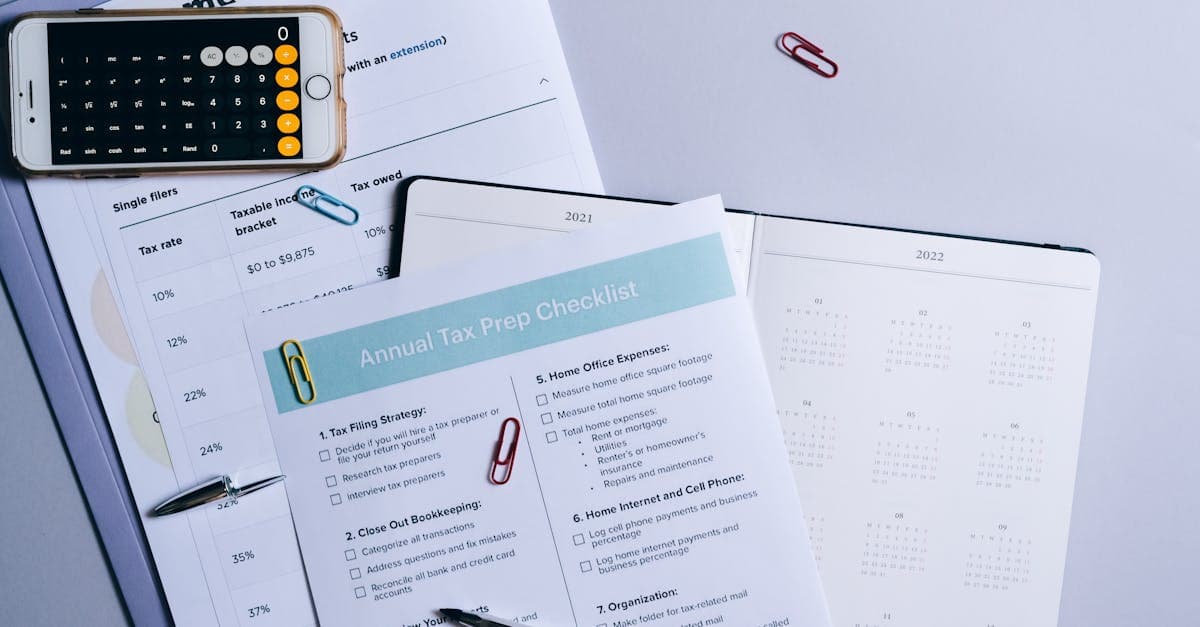
The Annual Policy Checkup: Why Once a Year Is the Minimum
At minimum, review every insurance policy once a year. Annual checkups catch coverage gaps, identify savings opportunities, and ensure your protection matches your current life circumstances.

Assignment of Benefits Explained: How AOB Transfers Your Claim Rights
An AOB agreement signs over your right to collect insurance benefits to a contractor or vendor. Understanding this transfer is critical before you sign any document after property damage.