The Six Parts of a Standard Homeowners Insurance Policy Explained

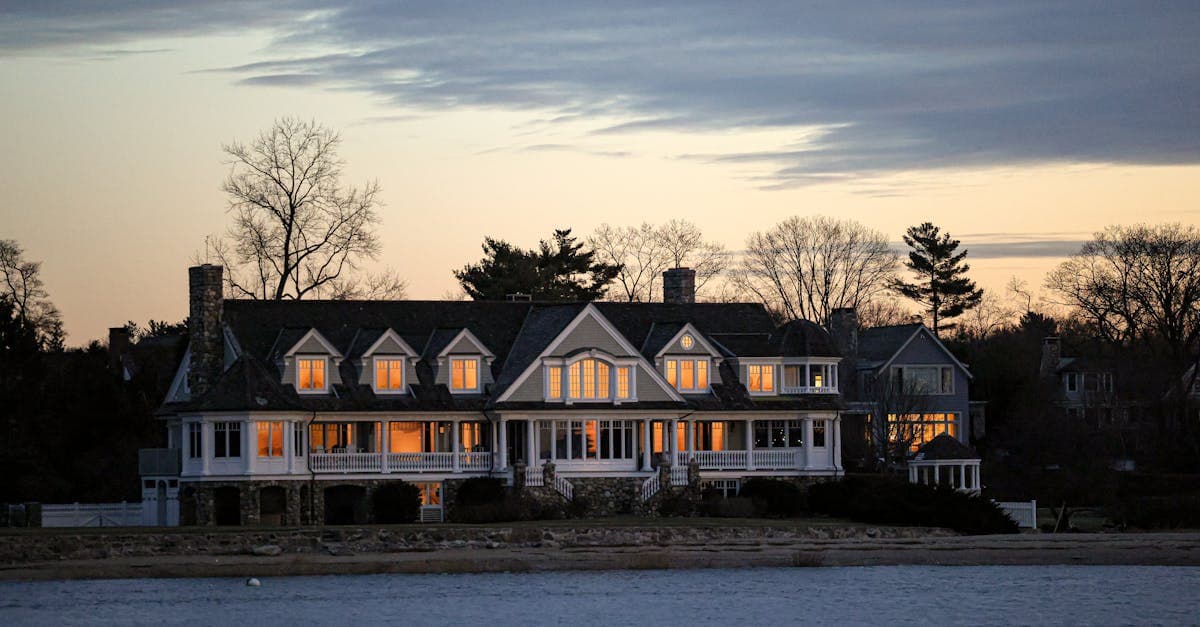
A severe thunderstorm sends a massive oak tree crashing through the Hendersons' roof at two in the morning. The tree tears through the master bedroom, crushes the home office below, and rain pours through the gaping hole for hours before the family can get a tarp over the damage. Structural damage to the roof and walls reaches $45,000. The home office equipment — computers, monitors, a printer — is destroyed. The family cannot live in the home for three weeks while repairs are completed.
Let's break this down further. This single event activates four sections of the Hendersons' homeowners policy simultaneously. Dwelling coverage pays for the roof and structural repairs. Personal property coverage pays for the destroyed electronics and damaged furniture. Loss of use coverage pays for the hotel, restaurant meals, and other expenses during the three weeks they cannot live at home. And other structures coverage would apply if the tree also damaged their detached garage or fence.
This is cultivating layers of coverage like a mature forest canopy where each layer shields the ones beneath it. Homeowners insurance is not a single coverage — it is a coordinated system of protections designed to respond to exactly this kind of multi-dimensional loss. Each coverage section has its own limits, its own rules, and its own potential gaps.
Understanding how all six sections work together — and where each one has limits — is essential for every homeowner. This guide breaks down each coverage section with real-world examples, explains the exclusions that catch homeowners off guard, and provides the knowledge you need to evaluate whether your current policy truly protects your home and your family's financial stability.
Loss of Use Coverage: When You Cannot Live in Your Home
Think of it this way. Loss of use coverage — also called Coverage D or additional living expenses — pays the costs you incur when covered damage makes your home uninhabitable. This coverage ensures your family has somewhere to live and can maintain a reasonable standard of living while your home is being repaired or rebuilt.
What qualifies as uninhabitable: Your home must be unfit to live in due to a covered loss. A fire that destroys the kitchen, structural damage that makes the home unsafe, extensive water damage requiring major remediation, or any covered event that makes the home physically unlivable triggers loss of use coverage.
What expenses are covered: Loss of use pays for temporary housing (hotel, rental home, or apartment), restaurant meals above your normal food costs, laundry services, storage fees for your belongings, additional transportation costs if your temporary housing is farther from work, and other reasonable expenses that exceed your normal living costs.
The increased cost calculation: Loss of use coverage pays the difference between your normal living expenses and the increased expenses caused by displacement. If your normal monthly mortgage payment is $1,500 and a comparable rental costs $2,200, loss of use pays the $700 difference. If you normally spend $600 per month on groceries and now spend $1,200 eating out, the coverage pays the $600 increase.
Time and dollar limits: Most policies cap loss of use at 20 to 30 percent of your dwelling coverage limit. Some policies also impose time limits — typically 12 to 24 months — after which coverage expires even if repairs are not complete.
Documenting expenses: Keep every receipt for temporary housing, meals, and transportation. Your insurer will review these expenses and pay only documented costs that exceed your normal living expenses. Organized documentation speeds up reimbursement and prevents disputes.
Key Exclusions: What Homeowners Insurance Does Not Cover
Let's break this down further. Every homeowners policy contains exclusions — specific events and damage types the policy will not cover. These exclusions represent the shallow roots that tear free when the winds of a major claim test a homeowner's inadequate coverage, and understanding them is just as important as understanding what is covered.
Flood damage: The most significant exclusion for many homeowners. No standard homeowners policy covers flood damage, defined as water entering from outside through surface accumulation, overflow, or storm surge. This exclusion applies even during hurricanes — wind damage is covered but the accompanying flood damage is not.
Earthquake damage: Standard policies exclude ground movement including earthquakes, landslides, mudslides, and sinkholes (in most states). Homeowners in seismically active areas need separate earthquake insurance to protect their homes.
Maintenance and neglect: Damage resulting from failure to maintain your home is excluded. This includes roof deterioration, rotting wood, peeling paint, failed caulking, and any damage that proper maintenance would have prevented. The insurer's position is that homeowners are responsible for upkeep, and insurance covers accidents — not neglect.
Pest and vermin damage: Termites, rodents, insects, and other pests cause billions in damage annually, but homeowners insurance excludes it entirely. The rationale is that pest damage is preventable through regular inspections and treatments, making it a maintenance issue rather than an insurable accident.
Wear and tear: The gradual deterioration every home experiences — aging roofs, worn flooring, dated plumbing — is excluded. Insurance covers sudden events, not the inevitable aging process.
Intentional damage: Any damage you cause intentionally is excluded. The exclusion also applies to intentional damage by household members, though innocent co-insureds may retain coverage in some policies.
Building Code Upgrades: The Hidden Cost After a Major Loss
Think of it this way. When you rebuild after a major loss, current building codes may require upgrades that did not exist when your home was originally built. Standard dwelling coverage pays to rebuild your home to its pre-loss condition — not to meet updated codes. This gap can add thousands to your rebuilding costs.
The ordinance or law gap: Building codes are updated regularly to improve safety, energy efficiency, and structural standards. A home built in 1990 may need upgraded electrical panels, improved insulation, hurricane straps, impact-resistant windows, or modern plumbing to meet current codes. Standard dwelling coverage does not pay for these upgrades because they improve the home beyond its pre-loss condition.
Ordinance or law coverage: This endorsement — sometimes included automatically and sometimes optional — pays the additional cost of meeting current building codes during rebuilding. It typically covers three components: the cost to demolish undamaged portions of a building that do not meet current codes, the increased cost of construction to meet current requirements, and the cost of bringing the entire structure into code compliance.
Why this coverage matters: For older homes, the gap between original construction standards and current building codes can be substantial. A home built before modern hurricane standards may need $20,000 or more in code-required upgrades during rebuilding. Without ordinance or law coverage, the homeowner pays this difference out of pocket.
Coverage limits: Ordinance or law coverage is typically offered at 10 to 50 percent of the dwelling coverage limit. A $400,000 home with 25 percent ordinance or law coverage has $100,000 available for code-required upgrades. The appropriate limit depends on your home's age and the gap between its original construction standards and current codes.
Who needs this most: Homeowners with older homes — particularly those built before modern energy codes or hurricane building codes — benefit most. If your home is more than 20 years old, ask your agent about this endorsement.
Other Structures Coverage: Beyond the Main Dwelling
Let's break this down further. Other structures coverage — Coverage B — protects detached buildings and structures on your property. This includes detached garages, storage sheds, fences, gazebos, guest houses, barns, and any other structure that is not physically connected to your main dwelling. The coverage limit is typically 10 percent of your dwelling coverage.
What qualifies as an other structure: Any structure on your property that is separated from the main dwelling by clear space — even if connected only by a fence or utility line — qualifies as an other structure. A detached garage is covered under other structures even if it is only steps from your back door. An attached garage, by contrast, is part of the dwelling and covered under Coverage A.
Coverage limit considerations: The standard 10 percent allocation works for most homeowners with a basic shed or fence. But if you have a detached garage worth $50,000, a pool house worth $30,000, or a workshop with valuable equipment, 10 percent of your dwelling coverage may not be enough. Many insurers allow you to increase the other structures limit for an additional premium.
Covered perils: Other structures receive the same open perils coverage as your dwelling on a standard HO-3 policy. This means fire, wind, hail, lightning, vandalism, vehicle impact, and other non-excluded perils are covered. The exclusions are also the same — flood, earthquake, and maintenance-related damage are not covered for other structures.
Rental use restrictions: If you rent a detached structure on your property, your homeowners policy may restrict or exclude coverage. Rented structures may require a separate landlord policy or a specific endorsement.
Fences and boundary disputes: Fence damage from covered perils is covered under other structures. Clarifying fence ownership with neighbors before a loss prevents disputes during the claims process.
Dwelling Coverage: The Core of Your Homeowners Policy
Let's break this down further. Dwelling coverage is the largest and most important section of your homeowners policy, and it is the deep root system that anchors homeowners against the storms of property damage and liability exposure. This coverage pays to repair or rebuild your home's physical structure — the walls, roof, floors, built-in appliances, attached garage, and permanently installed fixtures — after damage from a covered peril.
Open perils coverage: On a standard HO-3 policy, your dwelling is covered on an open perils basis. This means every cause of damage is covered unless it is specifically excluded in the policy. This broad approach protects against fire, wind, hail, lightning, falling objects, vandalism, theft damage, vehicle impact, explosion, and dozens of other perils without requiring each one to be listed.
Setting the right limit: Your dwelling coverage limit should equal your home's full replacement cost — the amount it would cost to rebuild your home from the ground up at current construction prices. This is not your home's market value, which includes land value, and it is not your purchase price, which may be higher or lower than replacement cost. An insurance agent or appraiser can help you calculate accurate replacement cost.
The coinsurance requirement: Most homeowners policies include a coinsurance clause requiring you to insure your dwelling for at least 80 percent of its replacement cost. If you carry less than this threshold and file a partial loss claim, the insurer can reduce your payout proportionally. Maintaining coverage at full replacement cost eliminates this penalty.
Inflation and coverage gaps: Construction costs rise over time, and your dwelling coverage limit needs to keep pace. Many policies include an inflation guard endorsement that automatically increases your limit annually. Without this adjustment, you could be tens of thousands short after a total loss.
Water Damage Coverage: The Most Confusing Part of Your Policy
Think of it this way. Water damage is the most complex and misunderstood coverage area in homeowners insurance, representing the shallow roots that tear free when the winds of a major claim test a homeowner's inadequate coverage. Whether your policy pays depends entirely on where the water came from and how it entered your home.
Covered water damage: Sudden and accidental water damage is covered. This includes burst pipes, accidental overflow from a washing machine or dishwasher, sudden failure of a water heater, accidental discharge from a home's plumbing system, and rain entering through a hole created by a covered event like wind damage. These events are sudden, unexpected, and beyond the homeowner's control.
Excluded water damage: Gradual water damage is not covered. Slow leaks behind walls, seeping foundations, moisture intrusion through deteriorated caulking, and water damage from deferred maintenance are excluded. The insurer's position is that these issues are preventable through regular maintenance and are not sudden accidents.
The flood exclusion: Flood damage — defined as water entering from outside through surface accumulation, river overflow, storm surge, or mudflow — is never covered by standard homeowners insurance. This exclusion applies regardless of the water's source or the homeowner's fault. Flood coverage requires a separate policy through the National Flood Insurance Program or a private flood insurer.
Sewer and drain backup: Water entering your home through sewer lines or backed-up drains is typically excluded from standard policies. This is one of the most common home damage events and one of the easiest gaps to close. A sewer backup endorsement usually costs $30 to $75 per year and provides $5,000 to $25,000 in coverage.
Documenting water damage claims: When filing a water damage claim, photograph everything immediately and document the source. Your insurer will investigate whether the damage was sudden or gradual, so evidence of timing is critical to a successful claim.
Dog Bites and Pet Liability Under Homeowners Insurance
Let's break this down further. Dog bite claims account for over one-third of all homeowners liability payouts, making pet liability one of the most significant coverage areas in your policy. Understanding how your homeowners insurance handles pet-related injuries protects you from potentially devastating lawsuits.
Standard coverage for dog bites: Most homeowners policies cover dog bite liability under the personal liability section. If your dog bites a visitor, neighbor, or passerby, your liability coverage pays for the victim's medical bills, lost wages, and potential pain and suffering damages up to your policy limit.
Breed restrictions: Some insurers exclude specific breeds from liability coverage based on statistical bite data. Breeds commonly excluded or restricted include pit bulls, Rottweilers, German Shepherds, Dobermans, Akitas, and wolf hybrids. If your insurer excludes your dog's breed, a bite incident could leave you personally liable for all damages with no insurance support.
The one-bite rule vs strict liability: Some states follow a one-bite rule where owners are not liable for a first bite if they had no reason to know their dog was dangerous. Other states impose strict liability where dog owners are responsible for bite injuries regardless of the dog's history. Your state's approach affects both your liability exposure and how your insurance responds.
Coverage limits and umbrella protection: The average dog bite liability claim exceeds $50,000, and severe attacks can produce claims in the hundreds of thousands. If your homeowners liability limit is $100,000 and a bite claim reaches $250,000, you are personally responsible for the $150,000 difference. An umbrella policy provides the additional layer of protection that dog owners should seriously consider.
Reducing your risk: Socializing and training your dog, maintaining secure fencing, warning visitors about your pet, and following local leash laws all reduce bite risk and strengthen your defense if a claim occurs. Some insurers offer premium reductions for dogs that complete obedience training programs.
The Strategic Approach to Homeowners Insurance
The most important takeaway from this guide is that homeowners insurance is not a single product but a system of interconnected coverages, each with its own limits, rules, and gaps. A strategic approach to homeowners insurance means understanding every section of that system and making deliberate decisions about each one.
Start with your dwelling coverage. Ensure it matches your home's full replacement cost and includes an inflation guard to keep pace with rising construction costs. Add extended replacement cost coverage if available — the additional 25 to 50 percent buffer protects against cost spikes after widespread disasters.
Evaluate your personal property coverage. Upgrade to replacement cost valuation if your policy defaults to actual cash value. Schedule high-value items individually. Create and maintain a detailed home inventory that supports your claim documentation.
Set your liability coverage at a level that protects your total asset exposure. If your assets exceed your homeowners liability limit, add an umbrella policy. The cost of umbrella coverage — typically $200 to $400 per year for $1 million — is trivial compared to the protection it provides.
Close your exclusion gaps. Flood insurance, earthquake coverage, sewer backup endorsements, and service line coverage address the most common and costly gaps in standard homeowners policies. Evaluate each based on your location, your home's characteristics, and your risk tolerance.
Review your coverage annually. Construction costs change. Your belongings accumulate. Your assets grow. A homeowners policy that was adequate three years ago may be dangerously insufficient today. The strategic homeowner treats insurance as a living document, not a set-and-forget purchase.
Continue reading

Beyond the Premium: What Really Matters When Comparing Insurance Quotes
The cheapest quote is not always the best deal. Understanding what drives real value in an insurance policy helps you compare quotes on the factors that matter most when you actually need to file a claim.

The Annual Policy Checkup: Why Once a Year Is the Minimum
At minimum, review every insurance policy once a year. Annual checkups catch coverage gaps, identify savings opportunities, and ensure your protection matches your current life circumstances.

Assignment of Benefits Explained: How AOB Transfers Your Claim Rights
An AOB agreement signs over your right to collect insurance benefits to a contractor or vendor. Understanding this transfer is critical before you sign any document after property damage.